
The latest global review finds 51% of migratory bird species are declining. Major drivers include habitat loss at stopovers, pesticide exposure and climate-driven shifts in food timing. Advances in tracking and coordinated international efforts like Road to Recovery help identify high-risk sites and guide targeted conservation. Past recoveries — for example, the bald eagle and northern bald ibis — show declines can be reversed when threats are addressed.
More Than Half of Migratory Bird Species Are Declining, Global Review Finds
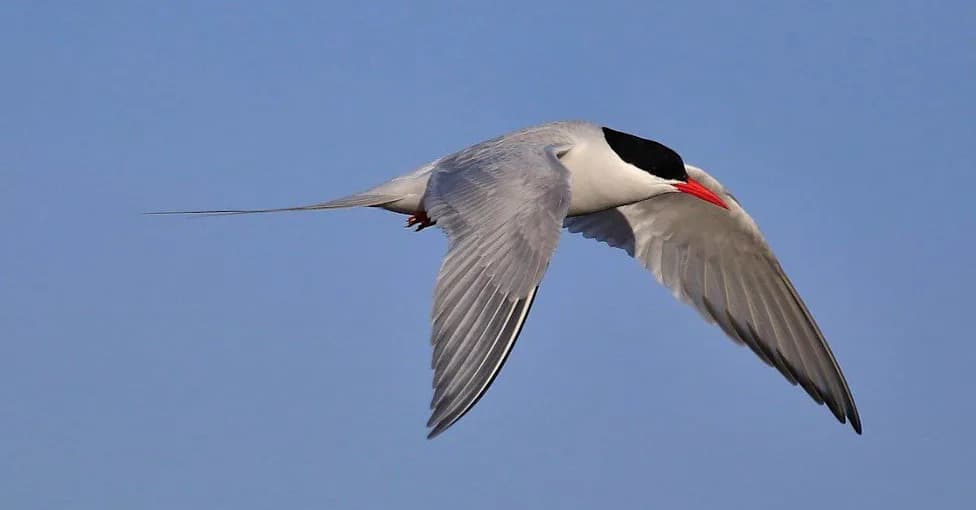
Birds that migrate the longest: Arctic Tern© iStock.com/Imogen Warren
Each year billions of migratory birds undertake extraordinary journeys between breeding and feeding grounds. A major global review now shows that more than half (51%) of migratory bird species are in decline — a worrying trend that spans continents, habitats and migration routes.
Why Migratory Birds Are Struggling
Migratory journeys can cover thousands of miles and last for months. Birds must build large energy reserves to complete these trips, but their survival depends on a chain of suitable habitats along the route. Problems at any link — breeding sites, stopovers or wintering grounds — can reduce survival and breeding success.
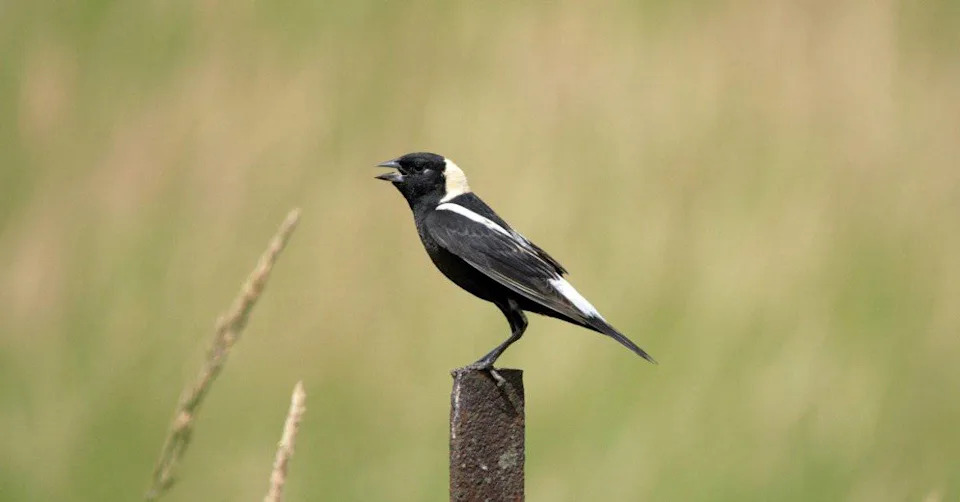
Bobolinks are one of several migratory species threatened by habitat loss.©iStock.com/Carol Hamilton
Habitat Loss: The Greatest Threat
The review identifies habitat loss as the single most serious threat. Grasslands, forests and wetlands that serve as critical stopover and feeding sites are being destroyed or degraded. As suitable stopovers become scarce and farther apart, birds expend more energy reaching the next safe patch. When birds do find remaining sites, overcrowding increases competition and can rapidly deplete specialized food sources.
Pesticides and Contamination
Pesticide use in agricultural and grassland areas poses another major risk. Birds consuming contaminated insects or seeds can suffer reduced appetite and body mass, temporary disorientation that impairs navigation, and long-term reproductive damage. The historic example of DDT causing thin eggshells in bald eagles illustrates how toxic chemicals can drive dramatic declines.
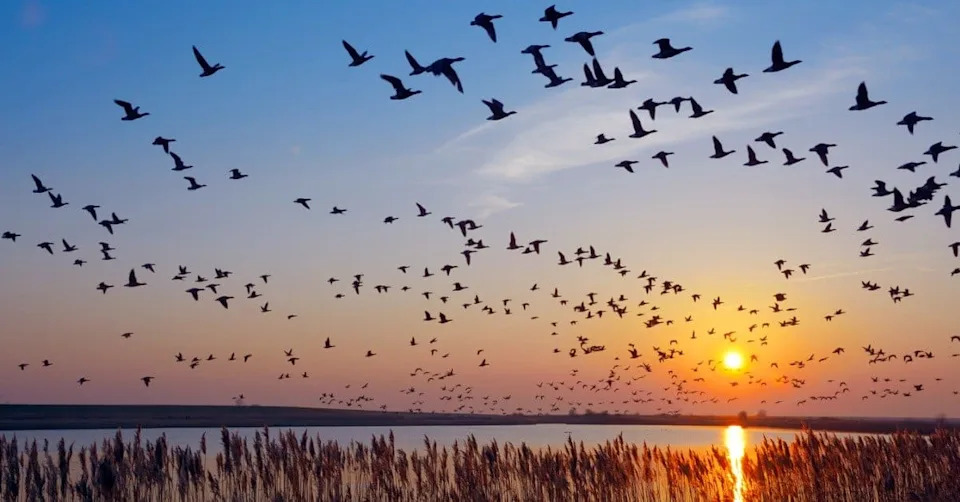
Climate change may cause migratory birds to change the timing of their flights.©eurotravel/Shutterstock.com
Climate Change and Timing Mismatches
Climate change compounds these pressures by altering habitats and the timing of food availability. Rising sea levels flood coastal mudflats and wetlands, while warmer springs can cause insects and plants to peak earlier — creating a mismatch between food availability and bird arrival times. Hotter, drier summers also reduce food supplies and may force species to shift the timing or routes of migration.
Conservation: From Sites to Whole Routes
Traditional conservation often focused on breeding, wintering and a few major stopovers. That approach has prevented some extinctions but can treat sites in isolation. Scientists now emphasize a whole-route perspective because threats at one point can produce declines observed months later elsewhere.
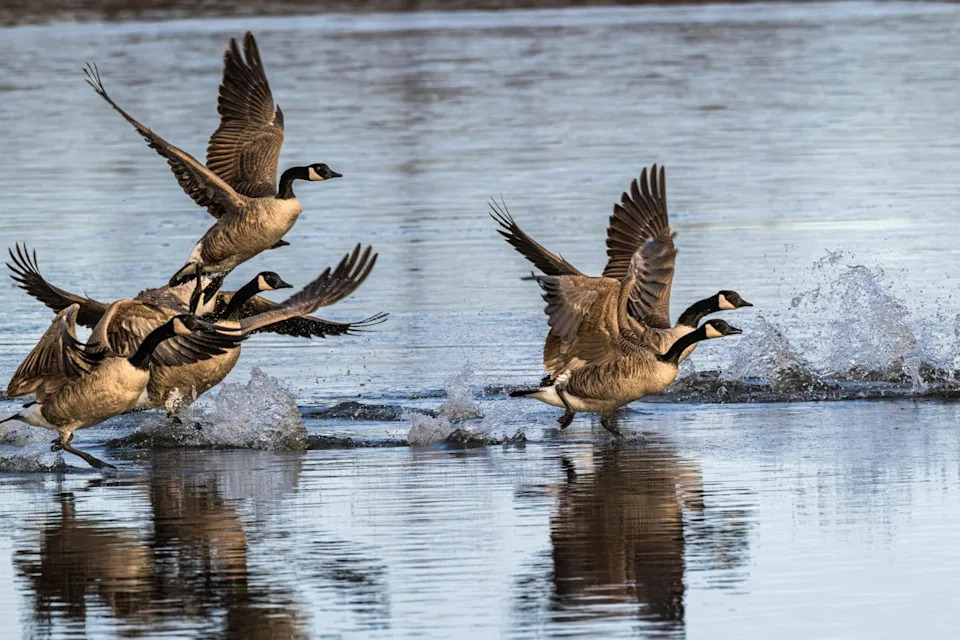
Looking at the entire migration route can help to identify the places that birds need the most help.©Lecia Michelle/Shutterstock.com
Technological advances, such as miniature tracking devices, make it possible to follow individuals across entire migrations and pinpoint the sites where they face the greatest risks. This helps conservationists prioritize actions — sometimes protecting breeding grounds delivers the biggest benefit, while for other species restoring an en-route feeding area is key.
International Coordination and Success Stories
Migratory routes frequently cross multiple countries, so international cooperation is essential. Initiatives like Road to Recovery bring together scientists, governments, conservation groups and local communities to map risks and intervene before populations reach critical levels. Around 50 international partnerships are developing recovery plans for species such as bobolinks and yellow-billed cuckoos, leading to new protections and policy changes.
There is reason for optimism: when major threats are identified and removed, bird populations can rebound — as seen with the bald eagle after the DDT ban and the northern bald ibis following habitat protections.
What Needs To Happen Next
To reverse declines, conservation must scale up across entire migration networks: protect and restore stopover habitats, reduce harmful pesticide use, address climate impacts, and strengthen international agreements. Coordinated action informed by improved tracking and targeted habitat protections offers the best chance to safeguard migratory birds for future generations.
Help us improve.





















