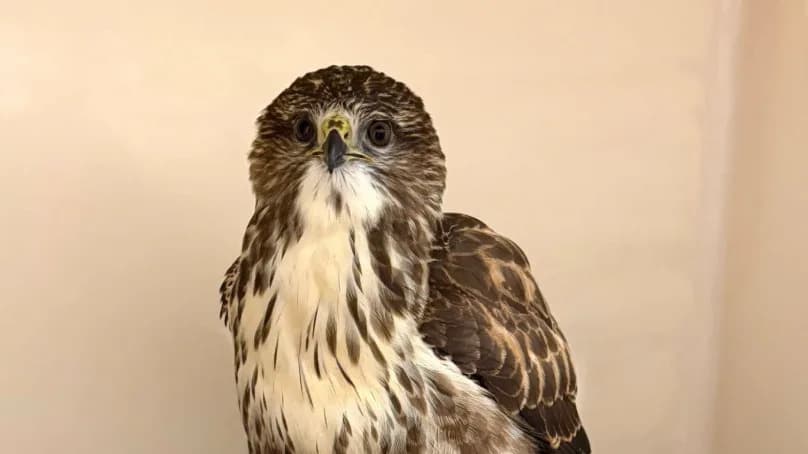
Six juvenile white-tailed eagles were released on Exmoor National Park as part of a rewilding programme led by Forestry England and the Roy Dennis Wildlife Foundation. The project, which began in 2019, has released 45 birds to date and celebrated the first wild-born chick in southern England since 1780 in 2023. Up to 20 more juveniles may be introduced over the next three years; each bird is health-checked, fitted with a satellite tracker and moved under licence. Local ecologists welcome the biodiversity benefits while some farmers seek a clearer management plan to address potential conflicts.
Six Young White-Tailed Eagles Released on Exmoor in Major Rewilding Push
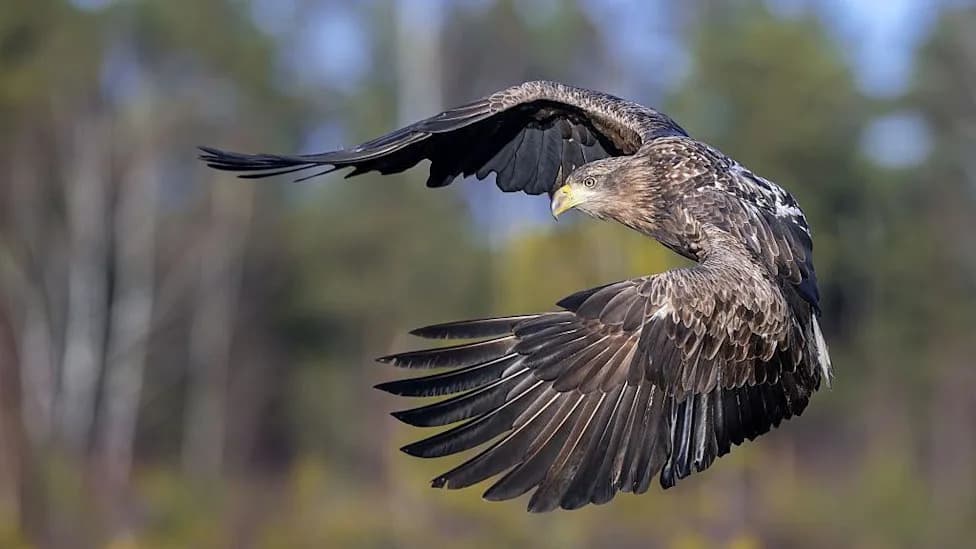
More young eagles will be released over the next few years [Getty Images]
Six young white-tailed eagles have been released on Exmoor National Park in a landmark rewilding effort — the first time the species has been reintroduced to the moorland and coastline in around 200 years. The release was led by Forestry England in partnership with the Roy Dennis Wildlife Foundation as part of a wider project to restore native biodiversity.
The programme, launched in 2019, has so far released 45 white-tailed eagles from a source population on the Isle of Wight. In 2023 the project marked a milestone when the first white-tailed eagle chick in southern England hatched in the wild since 1780. Project organisers say up to 20 additional juveniles may be released on Exmoor over the next three years to help establish a sustainable local population.
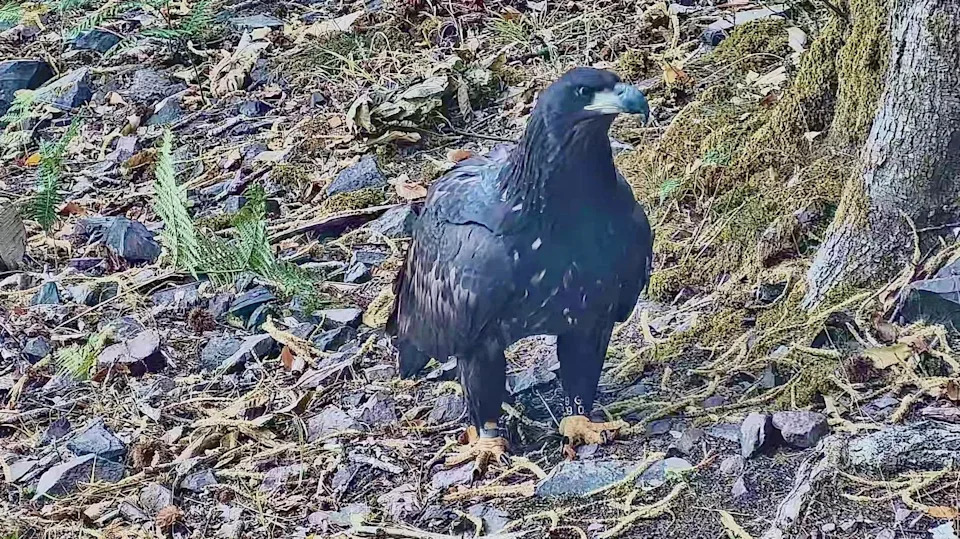
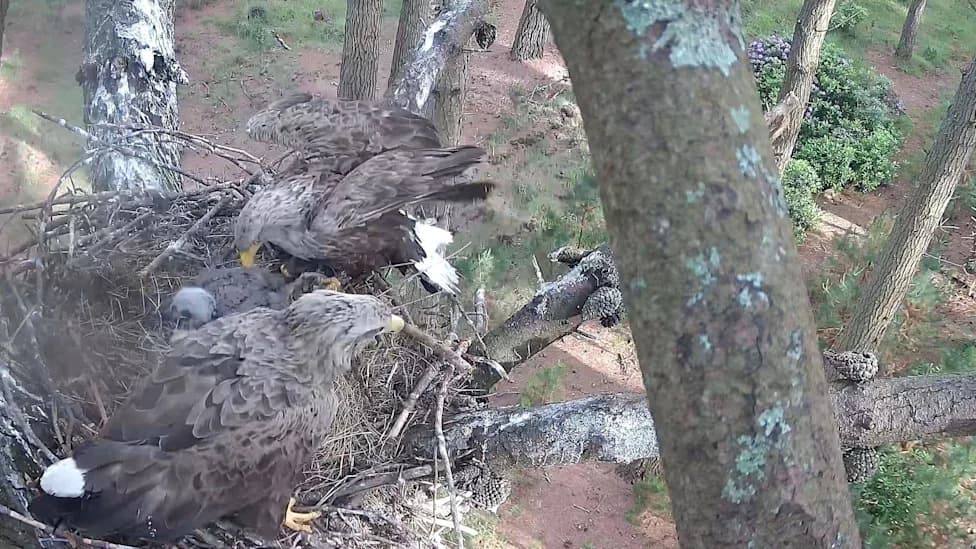
Six young eagles, such as this one, have been released on Exmoor [Forestry England]
Earlier this year the six juveniles were taken from the wild in Scotland under a NatureScot licence, screened for avian influenza and transported to Exmoor. Each bird was fitted with a satellite tracker before release so conservationists can monitor movements, survival and eventual site fidelity.
"We're restoring a native species that should be here and has been removed from the landscape," said Zoe Smith of the Roy Dennis Wildlife Foundation. She added that the scheme removes only one chick per nest and follows a lengthy consultation and licensing process.
Tracking data from previously released birds showed Exmoor had already been visited frequently by some eagles, making it a logical site for expansion. Historically, white-tailed eagles bred along the Exmoor coastline; the area continues to provide good foraging — including abundant fish — and suitable breeding habitat.
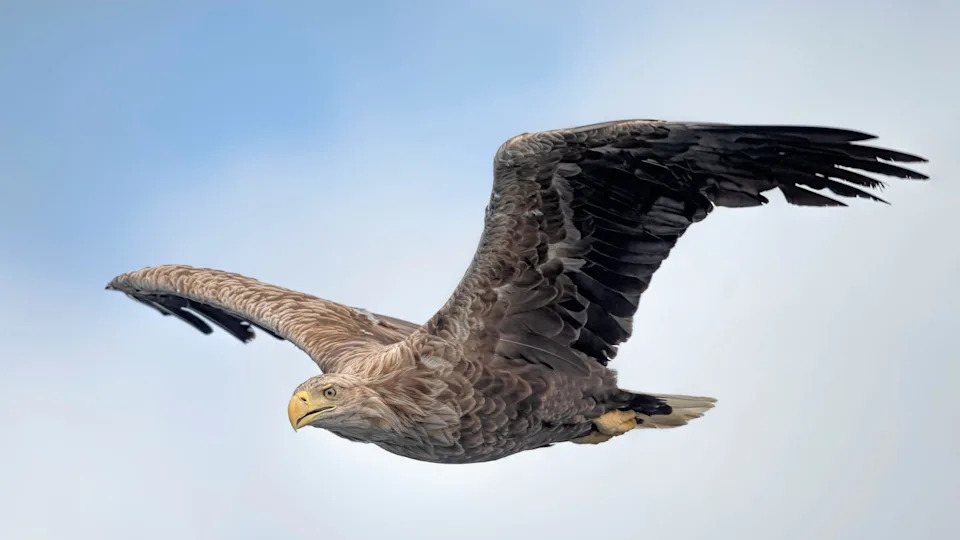
The chicks have been taken from Scotland and brought to Exmoor [Getty]
"This is such an exciting moment for Exmoor and a real boost to biodiversity in the National Park," said Ali Hawkins, Senior Ecologist at Exmoor National Park Authority, noting the birds' important ecological role in both marine and terrestrial ecosystems.
Local reaction is mixed. Robin Milton, an Exmoor livestock farmer, described himself as "quite ambivalent," saying he had seen no direct impacts so far but had heard reports of problems elsewhere and wants a stronger, more comprehensive management plan to balance conservation with farming interests.
Project organisers say they have engaged with farmers, provided opportunities to ask questions and continue to offer on-the-ground support. They also note that in mainland Europe there are few if any confirmed reports of white-tailed eagles routinely attacking livestock.
Experts expect the juveniles to range widely across the UK — and possibly into parts of Europe — before returning to the release area to breed at roughly four to five years of age. Continued monitoring, health checks and community engagement will guide future releases and management decisions as the programme seeks to rebuild a resilient population while addressing local concerns.
Help us improve.