Willow, a 66‑pound nursing Eurasian beaver relocated from Scotland in 2023, has become a local celebrity in West London while playing a practical role in flood reduction. Conservationists moved five beavers to a wetland site under 6.2 miles from Heathrow as a natural alternative to costly engineering. After their release, a nearby tube station that had flooded repeatedly appears to be protected, and the colony — led by Willow — may now number eight or more. The reintroduction has also increased local biodiversity and highlights the benefits of nature-based flood management.
Willow the 66‑Pound Beaver Becomes West London’s Rewilding Star — and Helps Curb Floods
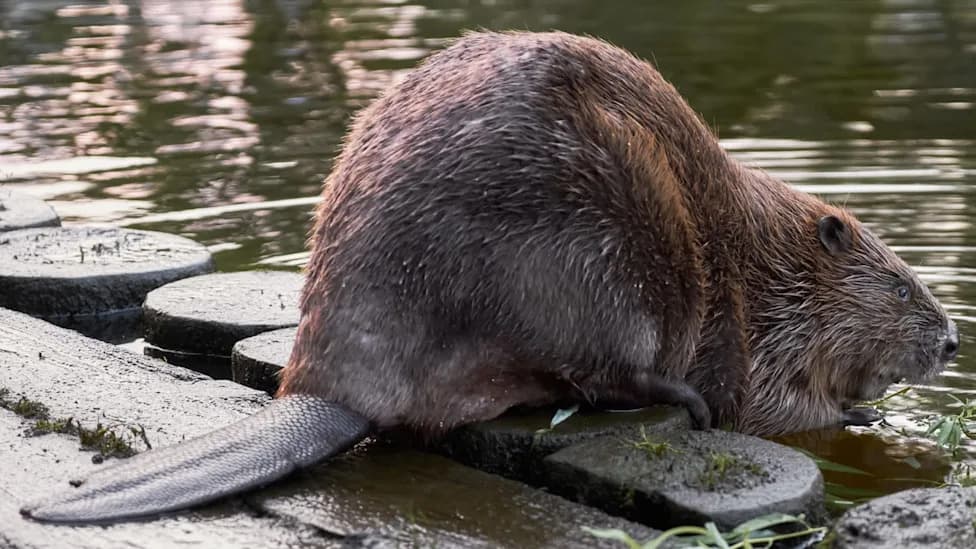
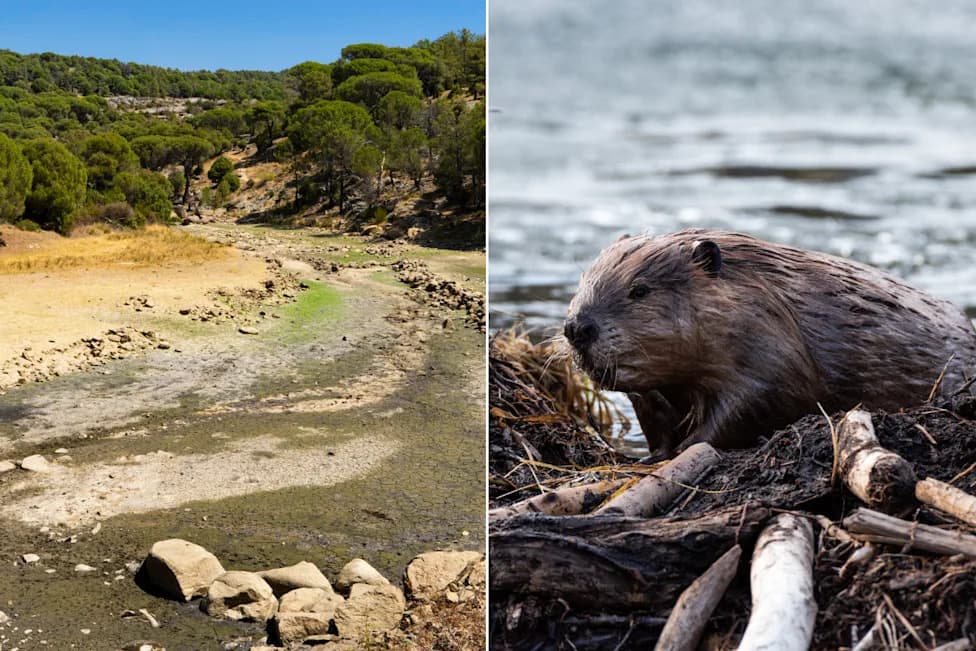
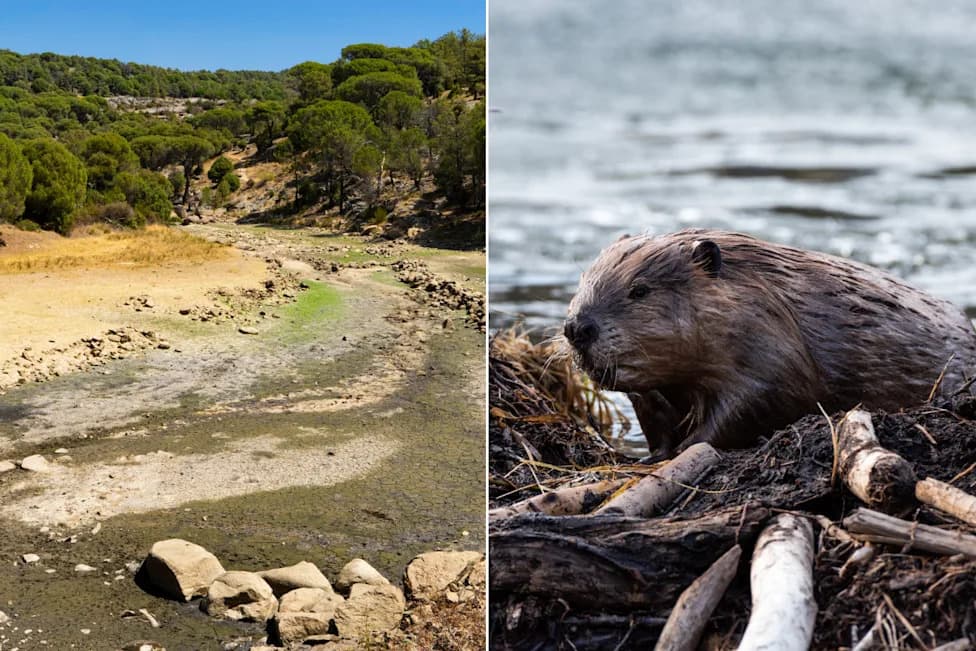
Photo Credit: iStock
Willow, a nursing Eurasian beaver who weighed about 66 pounds (30 kilograms) when relocated in 2023, has become both a local celebrity and a practical asset in West London’s fight against flooding.
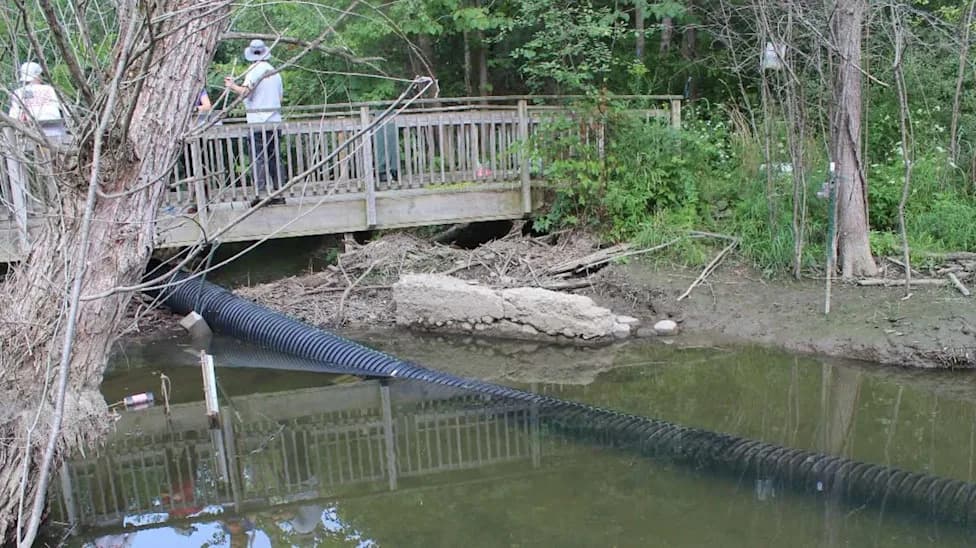
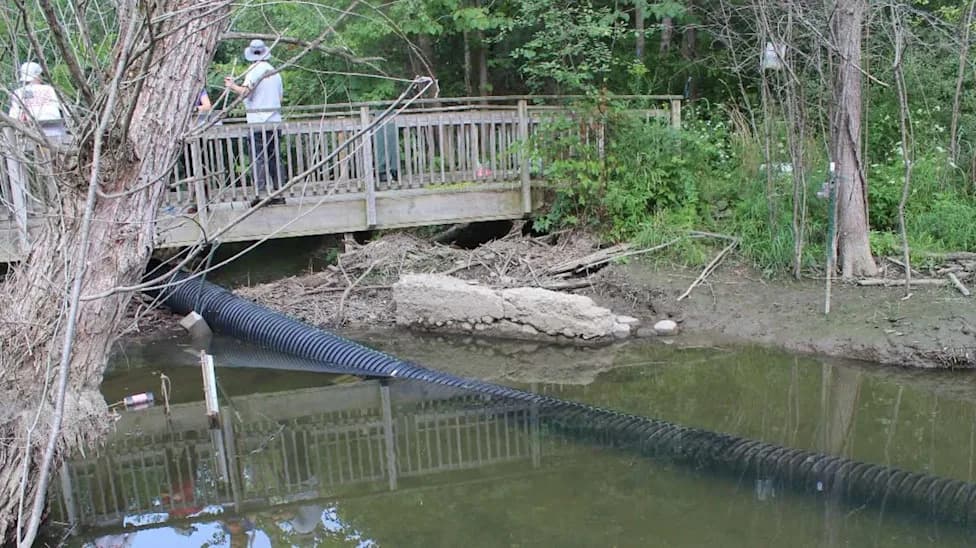
Conservationists moved Willow and four other beavers from Scotland to a wetland site less than 6.2 miles from Heathrow Airport as a nature-based alternative to expensive engineering work after repeated local floods, including at a nearby tube station. The community argued that letting beavers use their instinctive dam-building would slow water flow and create wetlands that absorb runoff during heavy rain.
According to a CBC News video, after the beavers were released at the end of 2023 the tube station that had previously flooded no longer appears to be affected. The colony — for which Willow is the matriarch — may now include eight or more individuals.
Chenz Mustafa, an urban beaver officer who helps the public engage with the animals, told the CBC: "Everything downstream is much more protected from flooding than it was before. All because they want to hold that water back so that they have enough water to swim in and feel safe."
Mustafa and local observers say the beavers have also increased biodiversity at the site, with more fish and birds showing up as wetlands form and settle. London's mayor has linked rewilding, greater biodiversity and flood prevention to wider social-justice goals, noting the value of green space in a city where many residents lack private gardens.
Why Beaver Dams Help
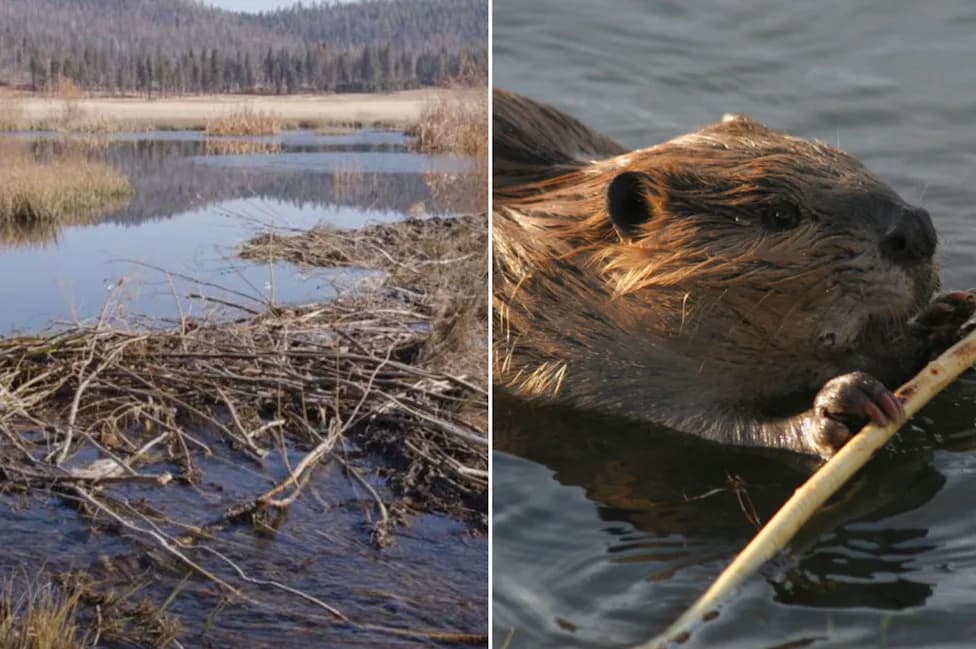
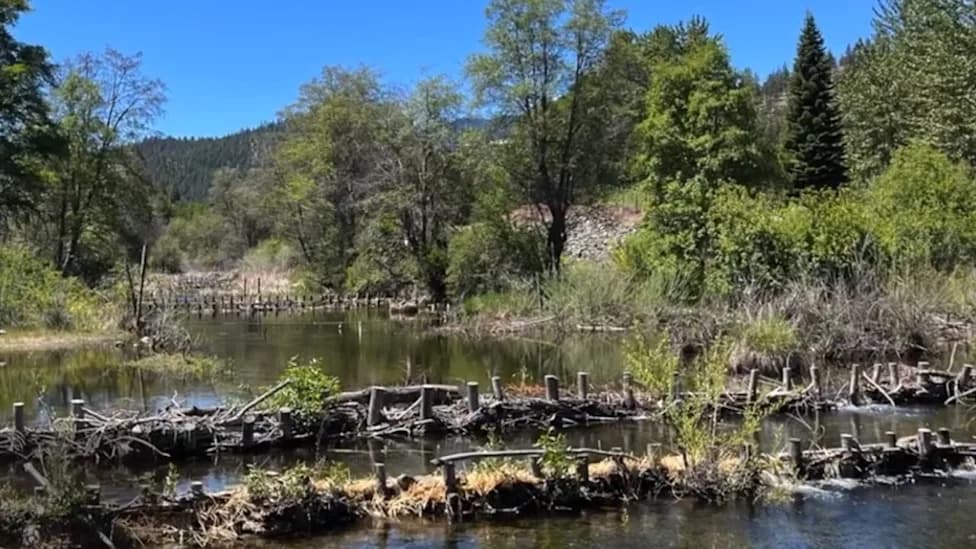
Beaver dams slow the speed of water, encourage the formation of wetlands and increase the landscape’s capacity to store and filter runoff. These natural processes can reduce peak flows during storms, trap sediments and pollutants, and create richer habitats for other wildlife — often at lower cost than engineered solutions.
Broader Context Across Britain
- In West London, beavers returned to a wetland near a McDonald’s and helped hold back floods.
- In Devon, reintroduced beavers are transforming local waterways while helping to reduce both flood and drought stress.
- In Scotland, beaver dams have been shown to trap pollution and support arguments for cheaper natural infrastructure.
- In Hampshire, beavers are aiding habitat restoration after centuries of absence.
- Across Britain, growing beaver populations are marking a major rewilding milestone.
While Willow’s unusually large size attracts online attention, conservationists emphasize the broader ecological and community benefits of reintroducing beavers to urban and rural waterways.
Source: CBC News (YouTube video)
Help us improve.