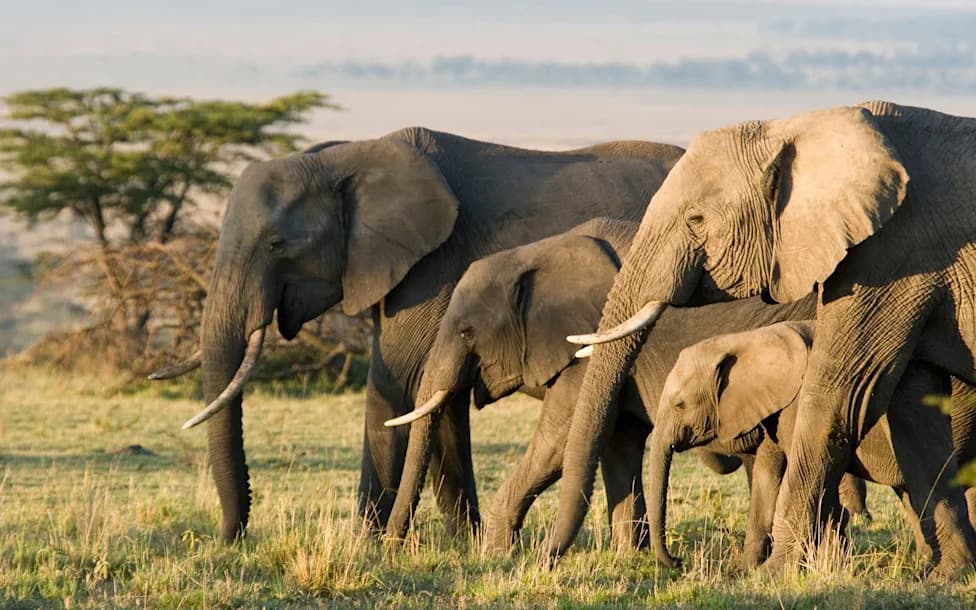
The Elephant Reintegration Trust followed 11 formerly captive elephants released to four reserves and monitored each for three weeks at least once per year over five years. Behavioral observations and fecal analyses show rewilded elephants behave very similarly to wild neighbors, though females showed slightly higher stress markers that remained within wild norms. Individual variability—likely tied to personality, past experiences, social context and management pressures—was pronounced. The authors conclude that rewilding can restore natural behaviors and support conservation when managed carefully.
Rewilded Elephants Readapt Successfully: Study Finds Natural Behavior and Manageable Stress
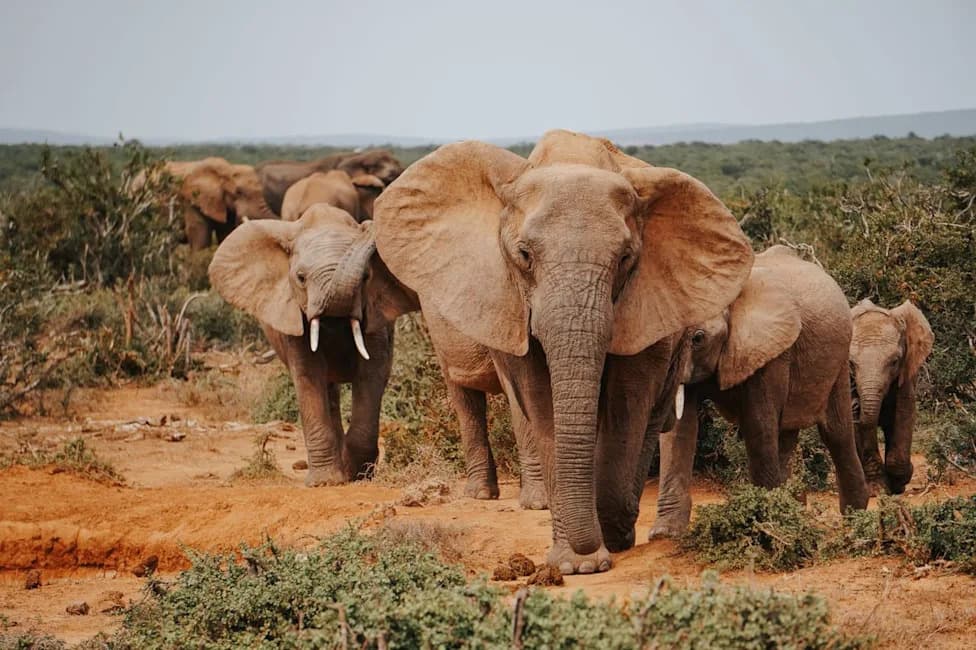
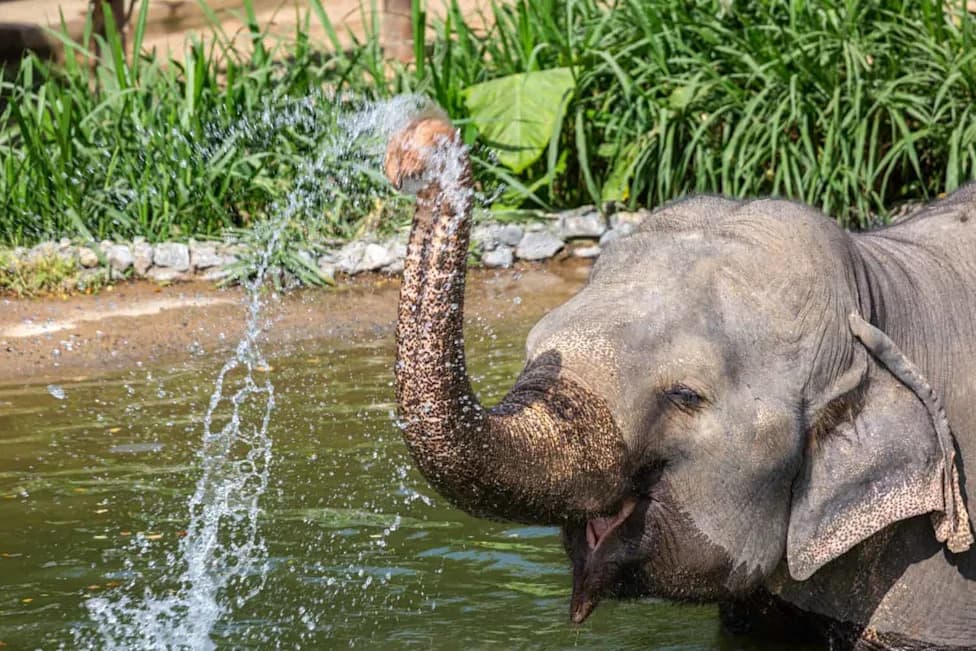
(Photo by Willemijn Doelman via Pexels)
New research shows that elephants returned to nature from long-term human care can readapt successfully, displaying behaviors that closely match those of wild herds while maintaining stress markers within normal ranges.
Study Details
Researchers from the Elephant Reintegration Trust of South Africa monitored 11 formerly captive elephants released onto four reserves. Each elephant was observed for three continuous weeks at least once per year over a five-year period. In addition to behavioral observation, the team collected fecal samples to assess metabolic stress markers.
Behavioral Findings
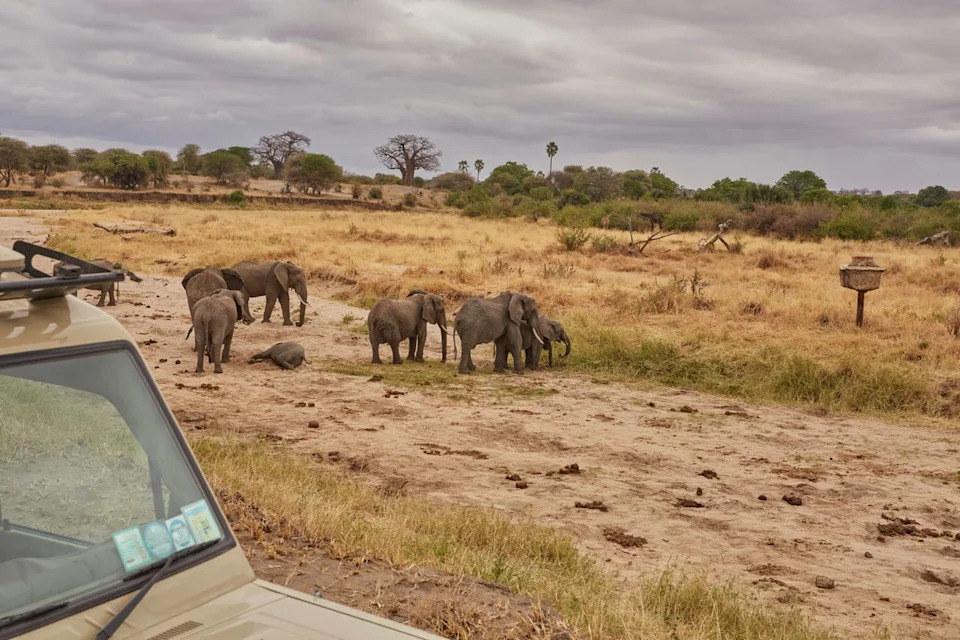
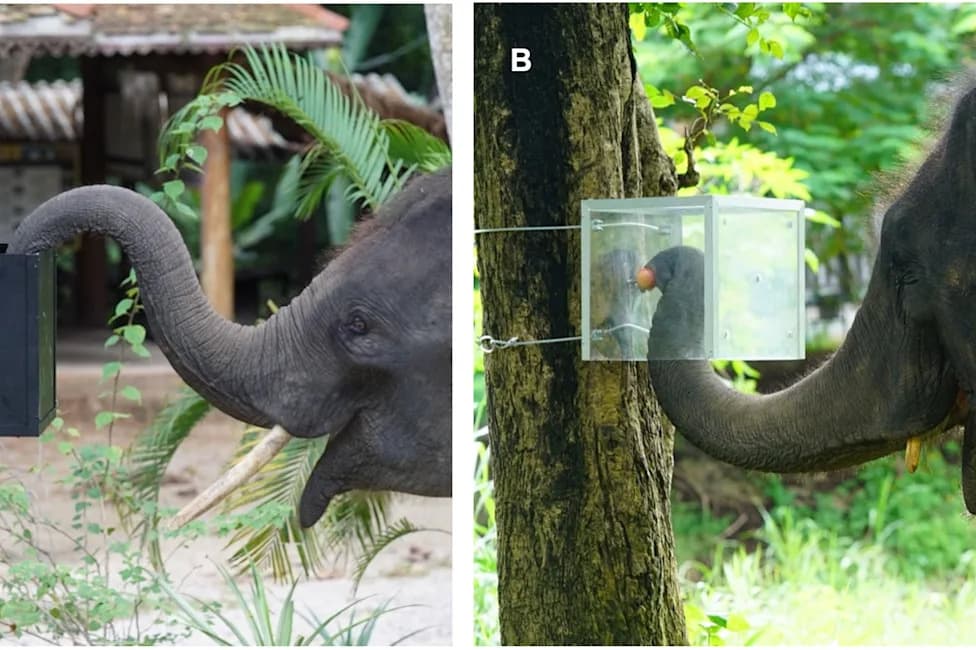
(Photo by Kureng Workx via Pexels)
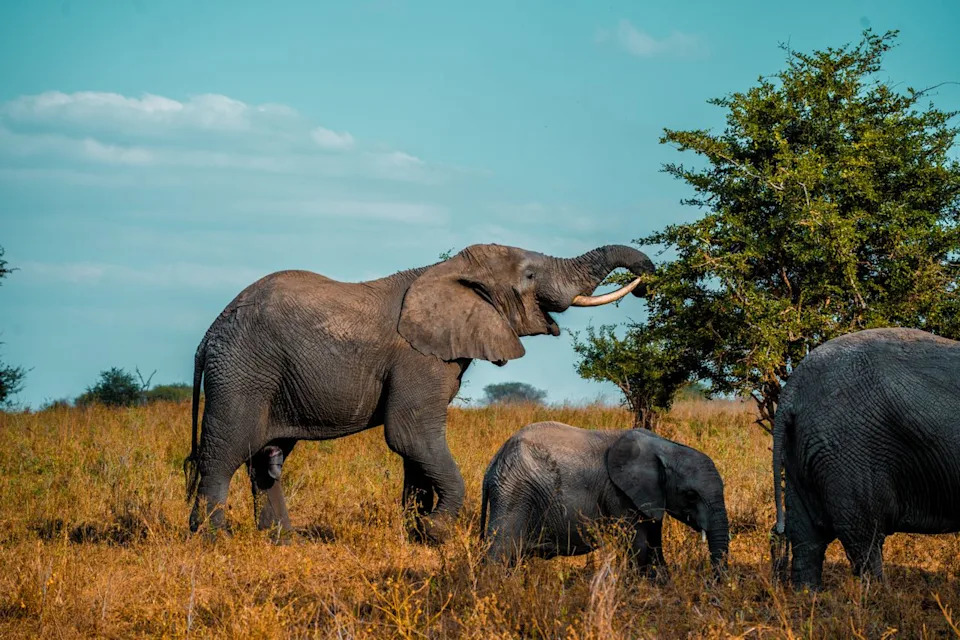
Overall, rewilded elephants showed behavior very similar to their wild neighbors. The researchers specifically looked for signs of difficulty adapting or "carry-over" behaviors from captivity—such as increased conflict, confrontation or excessive self-directed touching—and found these were generally uncommon.
Physiological Findings
Fecal analyses indicated that some rewilded elephants, particularly females, displayed modestly higher stress indicators than local wild elephants on average. However, those values remained within the normal range documented for wild populations, suggesting no evidence of chronic stress.
Individual Differences and Possible Drivers
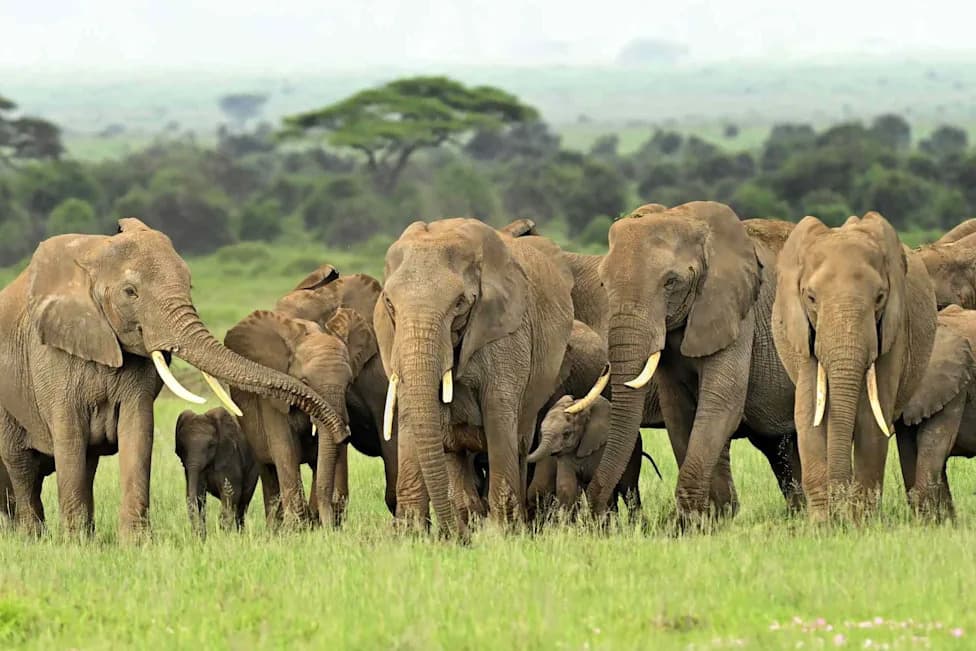
(Photo by Alex Levis via Pexels)
The study found substantial variability between individuals. The authors suggest this may reflect factors such as past captive experiences, current social circumstances, environmental conditions on each reserve, and pressures from tourism or management. Personality and individual coping strategies likely play a role in how each elephant adjusts.
Co-author Tenisha Roos said: "Rewilded elephants exhibited behavioral and physiological patterns comparable to those of wild elephants. While a few individuals showed slightly elevated stress biomarkers, all values fell within the normal range for wild populations — indicating successful adaptation with no evidence of chronic stress."
Co-author Tammy Eggeling observed: "Although some elephants carry memories of confinement, when given the opportunity they can learn new skills, adapt to unfamiliar environments and ultimately thrive in the wild."
Co-author Brett Mitchell added: "When captive elephants are rewilded and given autonomy, they can re-establish natural movement patterns and contribute meaningfully to species conservation."
Conservation Implications
The 11 elephants in this study represent more than half of South Africa's rewilded elephant population to date. The findings support the idea that carefully managed rewilding can restore autonomy and natural behaviors in formerly captive elephants, offering a potentially valuable tool for conservation when paired with appropriate social, environmental and management support.
Study published in PLOS One by the Elephant Reintegration Trust of South Africa.
Help us improve.