The Louisiana whooping crane reintroduction program reached a new milestone this spring when a record 10 chicks fledged at White Lake Wetlands Conservation Area, raising the state's resident population to 82. The program, launched in 2011 and now the largest U.S. effort of its kind, produced 18 of 20 nesting pairs with hatchlings this season. Biologist Sara Zimorski says breeding success is improving as pairs gain experience. Officials urge the public to report sightings and support ongoing habitat protection.
Record 10 Whooping Crane Chicks Fledge in Louisiana, Boosting Resident Population to 82
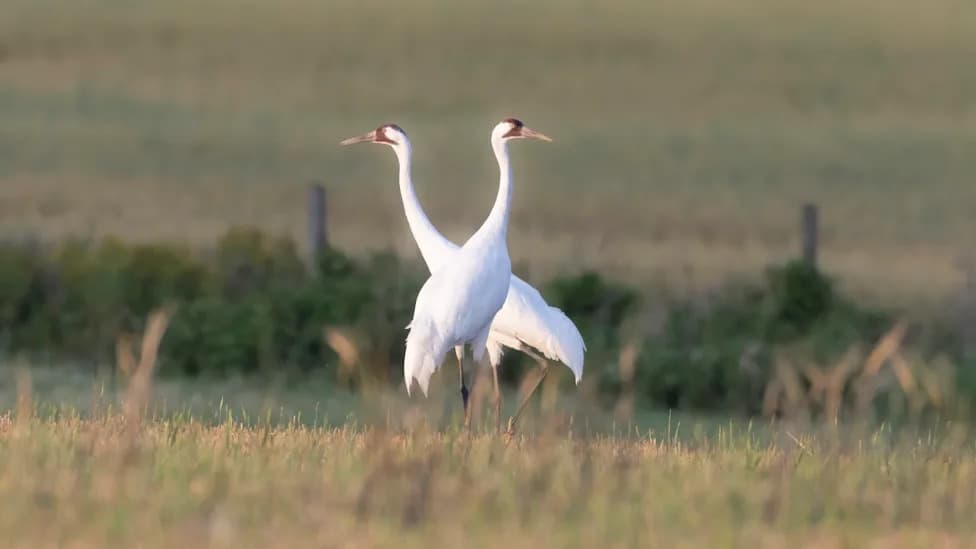
Photo Credit: iStock
A bird once perilously close to extinction is showing strong signs of recovery in Louisiana after a standout breeding season. The state's whooping crane reintroduction effort recorded a new high this spring when a record 10 chicks successfully fledged at the White Lake Wetlands Conservation Area in Vermilion Parish.
This Season's Results
The 10 fledglings raise Louisiana's resident whooping crane population to 82 birds, including 32 that were hatched in the wild within the state. The reintroduction campaign, which began in 2011, is now the largest program of its kind in the United States.
"As the population gets older, we see some of the breeding pairs have more success, probably because of experience,"
said Sara Zimorski, the Louisiana Department of Wildlife and Fisheries biologist who leads the project.
This season also produced the program's best nesting success to date: 18 of the 20 pairs that attempted to nest produced hatchlings. Improvement appeared even among newer pairs; one pair that failed to hatch a chick in 2025 managed to fledge one this year.
Why It Matters
Whooping cranes are among North America's most iconic conservation stories. Once numbering perhaps 10,000 on the continent, the species plunged to just 15 individuals by 1941. Protections under the Endangered Species Act, paired with reintroduction and habitat-management work, have helped the species rebound, though fewer than 1,000 whooping cranes remain across North America.
Healthy wetlands provide critical benefits: they support biodiversity, improve water management, and sustain the natural systems that local communities depend on. The return of a flagship species like the whooping crane can indicate broader habitat restoration and improved ecosystem health.
Program History & Ongoing Work
The Louisiana initiative began with the release of 10 juvenile whooping cranes at White Lake. In 2016 the program reached another milestone when the first chick hatched in the wild in Louisiana, ending a gap of more than 75 years without a wild-hatched whooping crane in the state. Since then, staff have maintained nest monitoring, pair tracking and habitat protection to improve survival and reproductive success.
How the Public Can Help
The Louisiana Department of Wildlife and Fisheries asks anyone who encounters a whooping crane to keep a respectful distance and report sightings through the agency's whooping crane reporting webpage. Supporters can also donate via the Louisiana Wildlife and Fisheries Foundation's whooping crane reintroduction page to help fund ongoing recovery work.
"We have some pairs that are rock solid. They're consistently successful; it's like they have figured it out,"
Zimorski said. She added that even unsuccessful nests provide valuable experience for birds and represent steps forward for the population.
Continued monitoring, habitat management and community support remain essential to ensure the species' recovery progresses and that wetlands—and the many benefits they provide—are preserved for the future.
Help us improve.