SEAI grants in Ireland cover up to €12,500 (≈$14,416) for houses and €9,500 (≈$10,956) for apartments to install heat pumps. Qualification requires a Heat Loss Indicator of ≤ 2.3 W/(K·m²), which often means additional insulation or retrofit work is needed first. ESRI researcher Muireann Lynch warns that these requirements reduce uptake, and switching to a heat pump may improve comfort more than it immediately cuts bills. Home energy assessments and comparison tools like EnergySage can help homeowners weigh costs and options.
Ireland Offers Up to €12,500 for Heat Pumps — Insulation Rules Are Cooling Demand
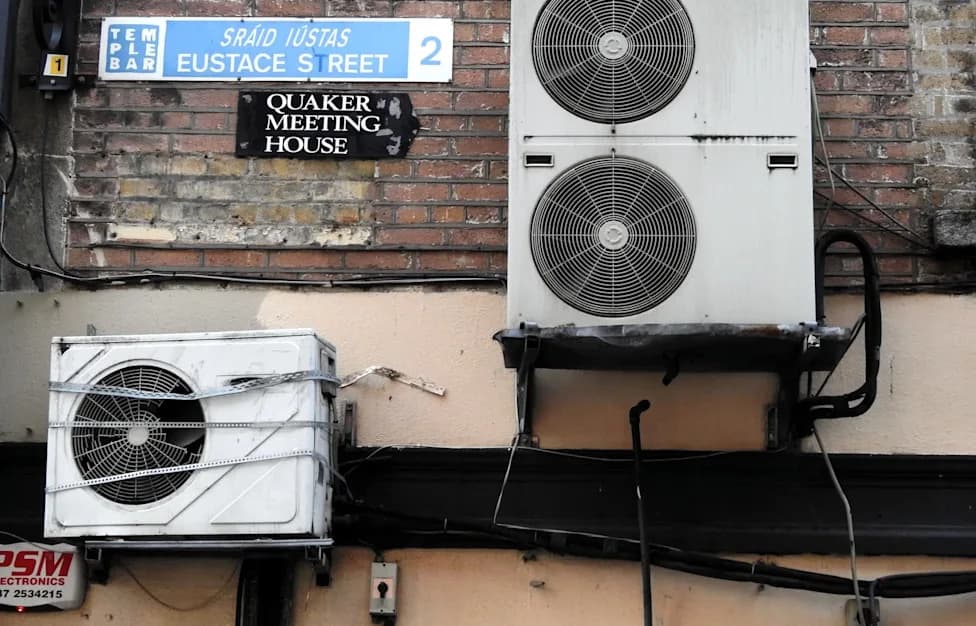
Photo Credit: iStock
Irish homeowners can access sizable public grants to install heat pumps — up to €12,500 (about $14,416) for houses and €9,500 (about $10,956) for apartments — but the headline figures don’t tell the full story.
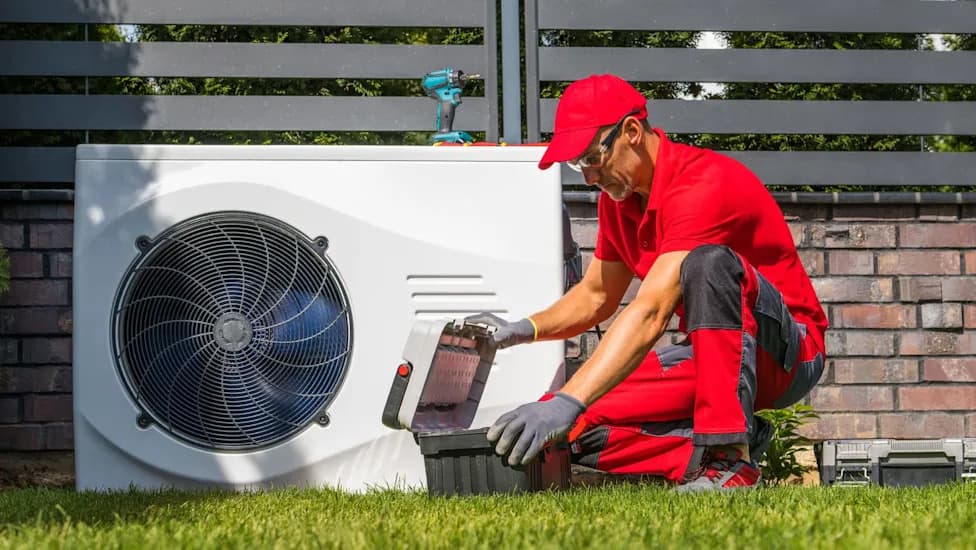
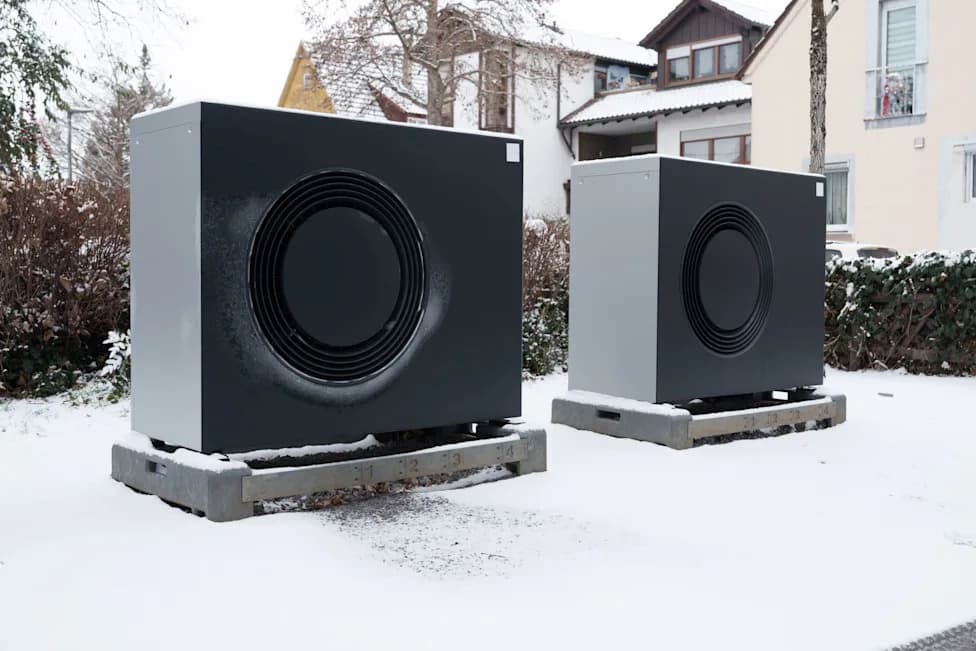
The funding is administered by the Sustainable Energy Authority of Ireland (SEAI) and was reported by Newstalk. Heat pumps extract heat from the air, ground or water and transfer it into living spaces, offering a lower-pollution alternative to fossil-fuel boilers and furnaces. They can also provide cooling in summer, giving year-round climate control in a single system.
Crucially, the grant is conditional on a property meeting a heat-loss threshold. To qualify, a home’s Heat Loss Indicator (HLI) must be no greater than 2.3 W/(K·m²). In practice, that often means the dwelling either already has good insulation or that owners must invest in insulation and other efficiency upgrades before a heat pump becomes eligible for the rebate.
On The Claire Byrne Show, Economic and Social Research Institute (ESRI) researcher Muireann Lynch said initial reactions to heat pumps are typically positive, but uptake drops once people see the building standards and retrofit costs. As Lynch put it:
“People are generally favorably disposed [toward heat pumps] at first, but the willingness to adopt a heat pump falls way off” when upgrade requirements are made clear.
That dynamic reflects a common trade-off: the grant reduces the sticker price, but preconditions such as insulation work can add significant cost and complexity. Consumers should therefore avoid budgeting around the rebate alone.
Another important reality is that a heat-pump retrofit does not always produce dramatic, immediate monthly bill reductions. Lynch noted that many households end up spending a similar amount on energy after switching, but their thermal comfort improves substantially — suggesting many homes were previously underheated to save money.
For people not ready for a whole-house retrofit, there are lower-commitment options. Single-room, ultra-efficient systems from companies such as Merino can deliver targeted heating and cooling for specific spaces without requiring a full-house upgrade.
Practical steps for homeowners considering the SEAI grant:
- Get a professional home energy assessment to determine your HLI and insulation needs.
- Factor retrofit costs (insulation, ventilation, controls) into your budget before assuming the grant will cover most work.
- Use comparison tools — for example, EnergySage’s Heat Pump Marketplace to compare models, installers and incentives, and EnergySage’s solar-quote tool if considering rooftop solar alongside heating upgrades.
- Consider single-room solutions if a full retrofit is unaffordable or impractical right now.
Despite upfront barriers, heat pumps remain a high-efficiency alternative to fossil-fuel heating and can reduce household emissions over time while improving comfort. But homeowners should approach the decision with a clear understanding of their home’s insulation status, likely retrofit costs, and realistic expectations about short-term savings.
Help us improve.