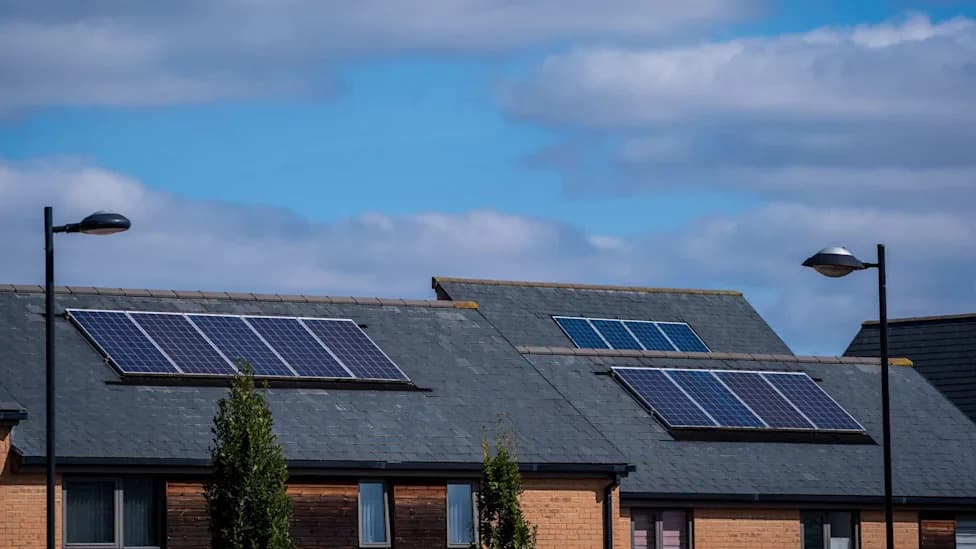
Illinois Solar For All — a state program launched by 2017 law to bring rooftop solar to low-income and environmental-justice communities — has moved from a slow start to rapid growth. In the June 2024–May 2025 cycle, the program approved more projects than in its first five years and nearly 400 installations came online, aided by grassroots educators, vetted developers and expanded eligibility rules. Funding shifts at the federal level create new challenges, but state managers say the program will adapt using a $50 million annual allocation and flexible financing approaches.
Illinois Solar For All Gains Momentum: Nearly 400 Projects Expand Solar Access Across the State
Illinois Solar for All is, at last, taking off
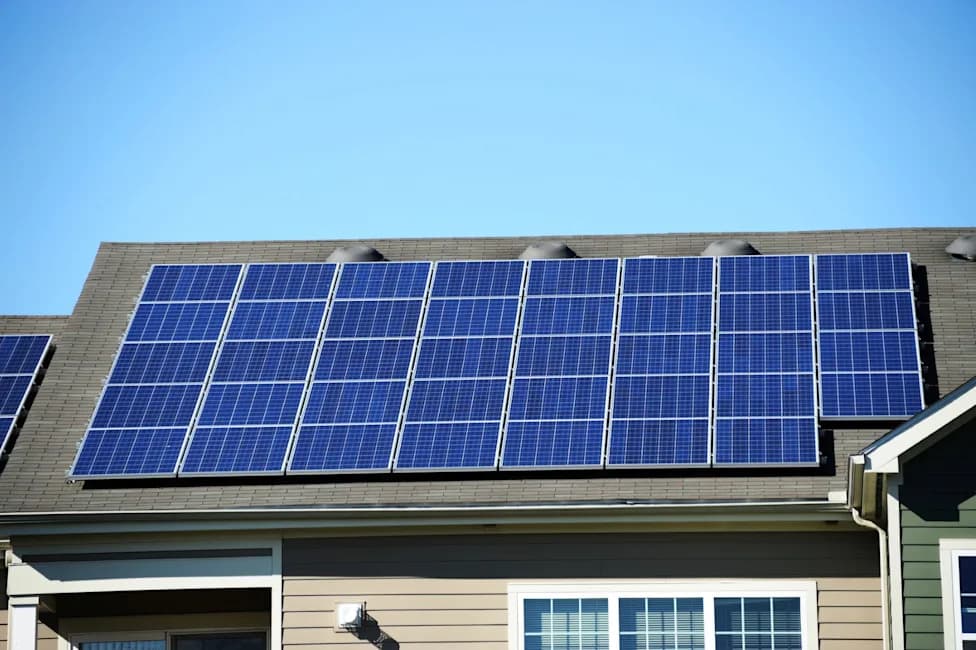
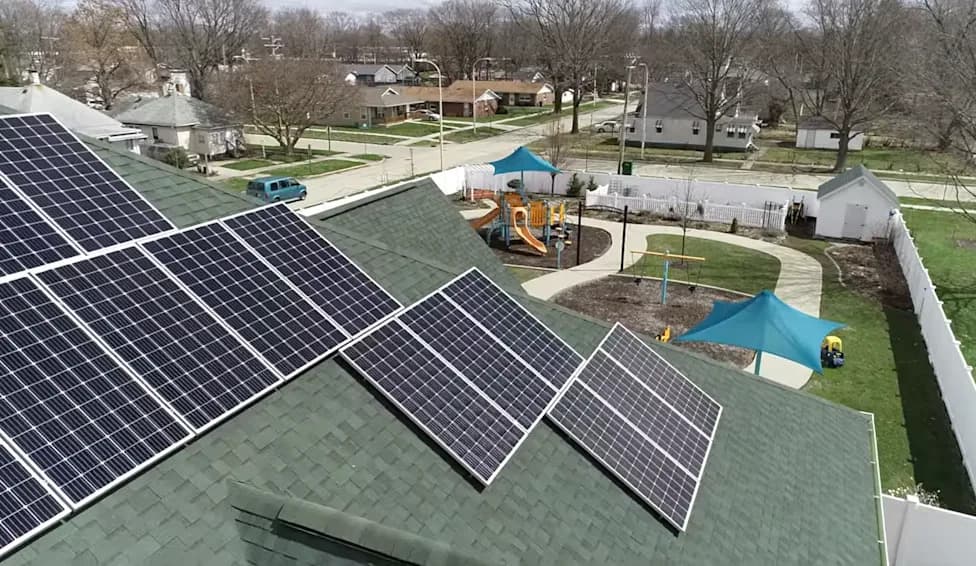
Parents experiencing homelessness, fleeing domestic violence or facing other crises can leave their children at the Crisis Nursery in Urbana, Illinois, any time of day or night, knowing the kids will be safe and cared for. For the 45-year-old nonprofit, operating on a shoestring is constant — but rooftop solar installed in 2020 has helped cut energy costs and ease that pressure.
From Slow Start To Rapid Growth
Illinois Solar For All, created by a 2017 state law to expand clean energy access for low-income households, nonprofits and public facilities in communities facing environmental injustice, struggled in its early years. Much of the program’s initial funding went unused as awareness, vetted contractors and community outreach lagged.
That changed in recent years. During the June 2024–May 2025 cycle, the Illinois Power Agency approved more projects than in the program’s first five years combined. Nearly 400 projects — representing more than 700 building units — went online in the last fiscal year, and a $20 million funding boost ordered by the Illinois Commerce Commission was fully allocated almost immediately, according to the agency’s latest report.
Why The Program Is Working Now
Program administrators and advocates credit several factors for the turnaround:
- Targeted outreach: State-funded "grassroots educators" — local leaders hired to explain the program and assist residents — helped build trust. Last fiscal year the program awarded nearly $700,000 to ten community organizations to hire educators, and most groups received continued funding.
- Vetted contractor pool: Early barriers to entry for solar companies have eased. Thirteen approved developers energized or built projects last year, and a state website now connects dozens of vetted vendors with clients.
- Rule changes and eligibility expansions: New rules let nonprofits and public facilities in census tracts adjacent to income-eligible or environmental-justice areas qualify, and the list of designated environmental-justice communities has grown — expanding where outreach can be effective.
Local Impact: Crisis Nursery And Beyond
Crisis Nursery’s rooftop system was arranged through a lease with a solar developer so the nonprofit had no upfront cost. "We have a 10,000-square-foot building, so every little bit helps, especially during seasons when we are running our utilities around the clock," Executive Director Stephanie Record said.
Elsewhere in southern Illinois, outreach has led to arrays on a church, a fire station, a senior center, a youth center and a city recreation facility. At Zion United Church of Christ, solar savings have been channeled to the church’s food pantry, increasing meals and weekly food distributions.
Practical Challenges And Solutions
Even as interest grows, obstacles remain. Many homes need roof replacements before panels can be installed; the program funded 88 roof repairs last fiscal year alone. Nonprofits — which are tax-exempt and could not directly use federal tax credits — were slow to adopt solar until the economics improved and outreach increased.
A substantial share of projects are structured as third-party ownership, where a developer owns the system and sells the power. Those arrangements can still access federal tax incentives if systems are operational by the end of 2027 or began construction before July 4 of this year, offering a bridge while policymakers adapt.
"It’s a big swing," said Wade Halva, a clean-energy advocate in southern Illinois. "Does it mean the state program has to change? Can we even do residential at a guaranteed savings rate without federal incentives?"
Jennifer Schmidt, senior program manager for Illinois Solar For All at the Illinois Power Agency, said the looming loss of federal credits created urgency that helped accelerate enrollment. She added that the program will adapt its financing strategies and noted that state law provides $50 million in annual funding.
Looking Ahead
With federal incentives reduced or canceled at the national level, Illinois Solar For All faces new challenges: state dollars will need to go further and financing structures may need to change. Program administrators are exploring blended funding approaches and continuing community outreach, workforce training and contractor vetting to sustain momentum.
"We look at different potential funding pieces of a project, and if things change, we update," Schmidt said. "Illinois Solar For All is not going anywhere."
Help us improve.