Researchers compared sprint speeds for 258 spider species and found Australia's brown huntsman reached a top recorded speed of 11.8 ft/s. Teams directly measured 162 species and combined those data with 96 published records. The huntsman's intermediate mass (about 0.1 ounces) and long legs likely help explain its lead, supporting the idea that peak speed often occurs at intermediate body sizes. The paper is not yet peer-reviewed, and researchers say DNA testing could clarify the exact species involved.
Australia's Brown Huntsman Clocked at 11.8 ft/s — A Contender for World's Fastest Spider
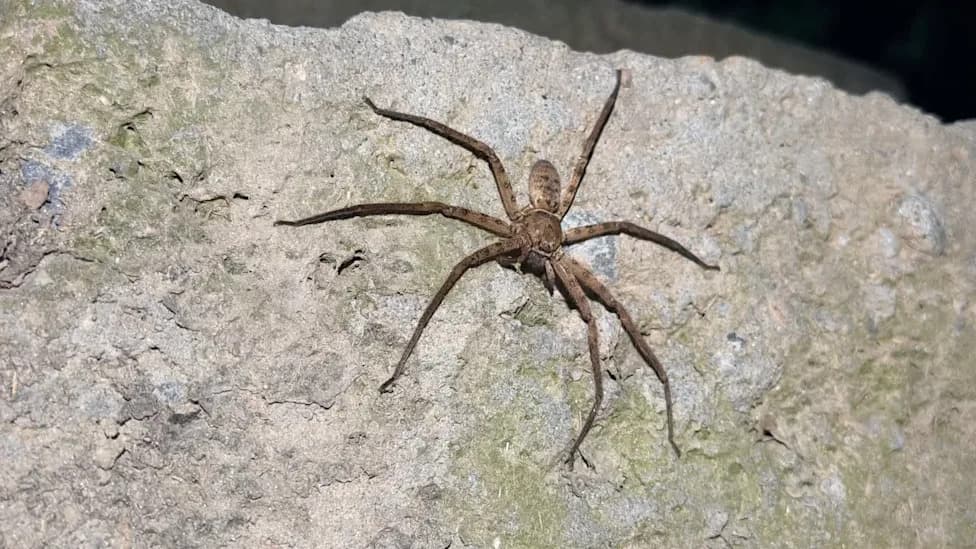
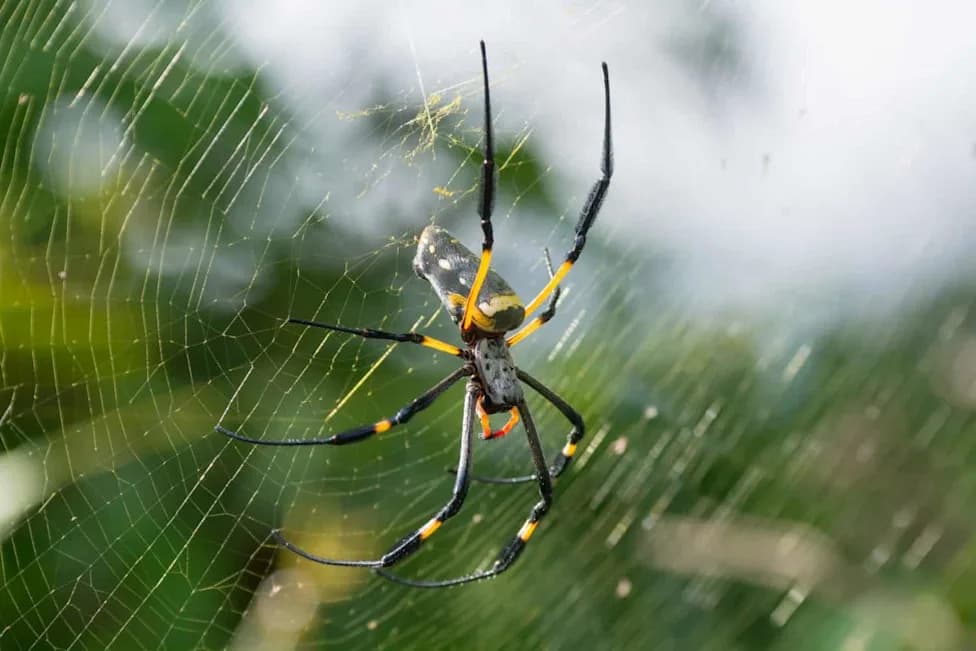
Photo Credit: iStock
New research suggests Australia's brown huntsman may be the fastest spider recorded so far, reaching a top speed of 11.8 feet per second in lab trials. The study — not yet peer-reviewed — compared sprint speeds across a broad sample of species to explore how body size and shape limit animal speed.
How The Study Was Done
Researchers from teams in the United Kingdom and Germany compiled speed data for 258 spider species. They directly measured 162 species and combined those results with published records for 96 additional species from North America, Europe and Australia. Spiders were placed in a box lined with grid paper and filmed from above with a high-speed camera. To prompt movement, the team gently encouraged individuals with a paintbrush or other blunt instrument.
Why The Brown Huntsman May Lead
The brown huntsman recorded the fastest sprint in the dataset at up to 11.8 ft/s. At roughly 0.1 ounces, it has an intermediate mass and relatively long legs — a combination the authors say favors high top speed. In the trials it outpaced much smaller species such as the money spider Maso sundevalli and much heavier ones like the salmon pink bird eater Lasiodora parahybana.
"If you get too big, you slow down and if you get too small, you're also a bit slower," said biomechanics researcher Christofer Clemente of the University of the Sunshine Coast, summarizing a common pattern the results support.
What This Tells Us About Animal Motion
Beyond naming a speed leader, the study helps probe how morphology, mass and mechanics determine maximum velocity. Spiders use a distinctive locomotion system: they extend their legs using hydraulic pressure and retract them with muscles, a model that differs substantially from mammals or reptiles. Measuring many species lets researchers link those mechanical differences to ecological and evolutionary trade-offs.
Remaining Questions
The exact huntsman species tested remains uncertain: in southeast Queensland, Heteropoda jugulans and Heteropoda cervina can be difficult to distinguish by sight. Clemente and colleagues note future work could use DNA testing or other methods to confirm species identity. They also caution that a faster species could still be discovered, since many spiders have not yet been measured.
Although their appearance can unsettle people, brown huntsman spiders are generally considered harmless to humans. The authors stress that the paper is not yet peer-reviewed and that further research is needed to validate and extend these findings.
Help us improve.