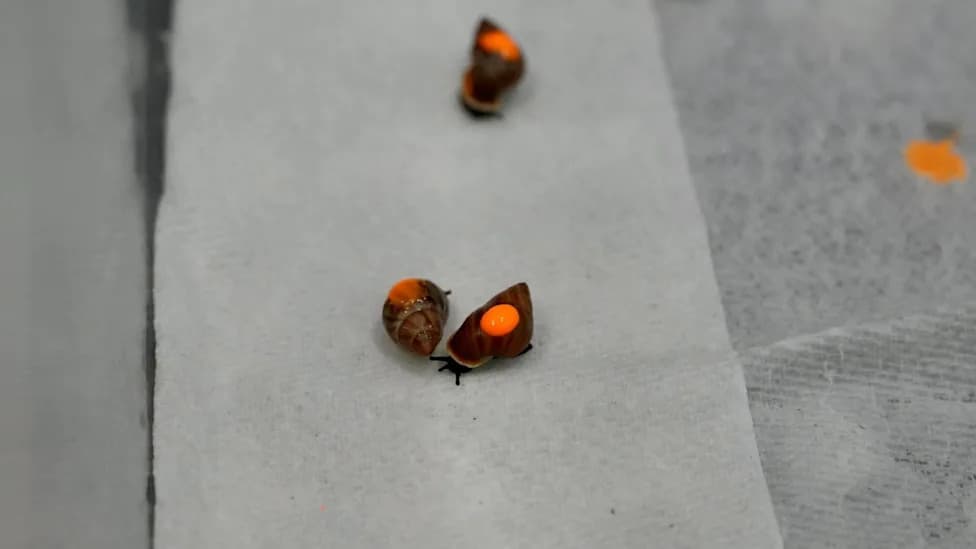
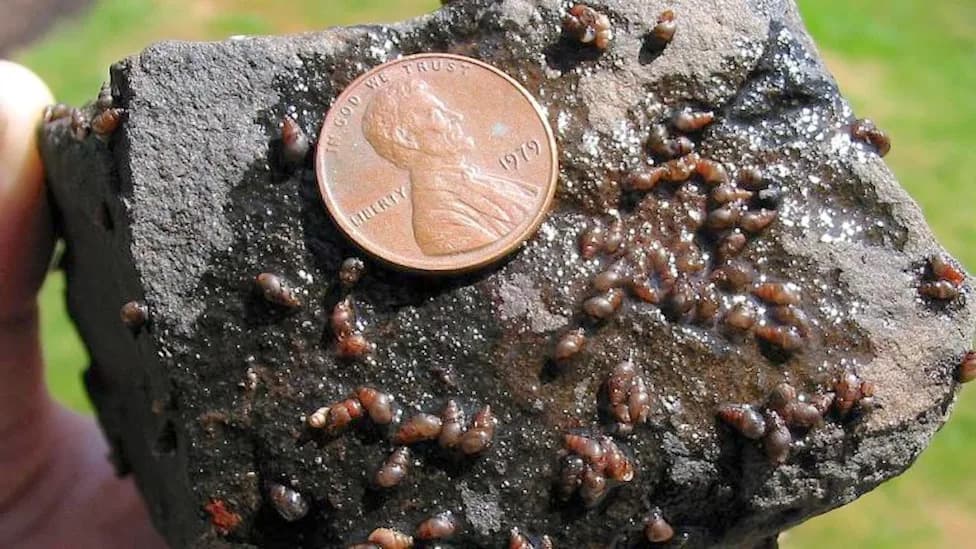
The giant African land snail has been detected again in Southwest Florida, prompting quarantines and urgent reporting requests. Florida agriculture officials warn a single adult may lay up to 1,200 eggs and that adults can grow to about 8 inches, threatening crops, gardens and even building materials. The snails may also carry a parasite linked to meningitis, so residents are urged not to handle specimens. Photograph suspected finds and report them to authorities rather than moving plants, soil or yard waste.
Southwest Florida Quarantined After Giant African Land Snail Returns — Officials Urge Residents To Report Sightings
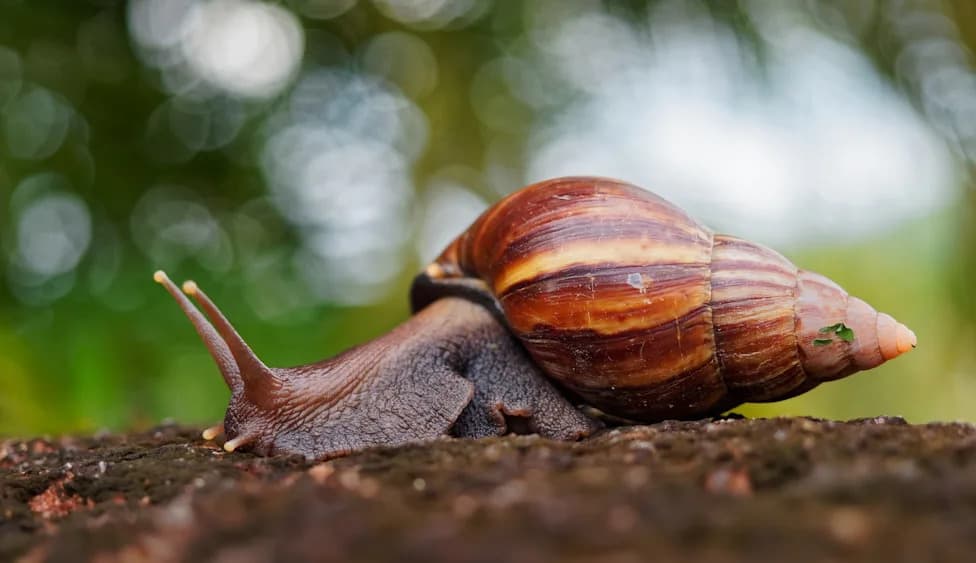
Photo Credit: iStock
Officials in Southwest Florida have imposed quarantines and asked residents to remain vigilant after the giant African land snail was sighted again in the region. Early detections triggered containment steps designed to protect gardens, farms, neighborhoods and public health.
Why Officials Are Concerned
Considered one of the world's most invasive land snails, this species reproduces rapidly and can cause widespread damage. Florida agriculture officials say a single adult may lay as many as 1,200 eggs, and adults can grow to roughly 8 inches long. Because of that reproductive capacity, a small outbreak can expand quickly if not contained.
Damage To Plants And Property
The giant African land snail feeds on hundreds of plant species, threatening farm crops and home gardens. It can also damage buildings by gnawing on calcium-rich materials such as plaster and stucco, increasing repair costs for homeowners and communities.
Public-Health Concern
Authorities warn the snails may carry a parasite linked to meningitis in humans, which is why residents are advised not to handle any specimens. If you must be near a snail, avoid direct contact and keep children and pets away.
What To Look For
- Very large snails with pointed brown shells (up to about 8 inches)
- Slime trails on walls, sidewalks or paved areas
- Chewed or stripped plant material
- Clusters of small, pale eggs in soil or leaf litter
How To Report Sightings
If you suspect you have found a giant African land snail, do not pick it up. Instead:
- Take clear photos showing the shell, the snail's size (use a common object for scale) and any eggs or slime trails.
- Note the exact location (address or GPS coordinates) and time of the sighting.
- Report the find to the Florida Department of Agriculture and Consumer Services (FDACS) or your county extension office so officials can respond quickly.
Quarantine measures in affected areas may prohibit moving plants, soil, yard debris and other materials that could transport eggs. Officials caution that eradication efforts can take years and rely heavily on rapid public reporting and compliance with transport restrictions.
Bottom line: If you see a large, pointed brown snail in Southwest Florida, photograph it, record the location, and report it — but do not touch it.
Help us improve.