Researchers at the University of Otago find that winters in the southwestern Ross Sea have become stronger, more frequent, and less consistent over roughly the past 60 years, delaying fast-ice formation. Analysis of weather-station records (1964–2024) and satellite imagery links severe storm seasons in 2019, 2022 and 2024 to thinner spring fast ice. Thinner ice shortens the safe window for field operations around McMurdo Sound, and scientists urge improved midwinter remote sensing to close an observational gap.
Stormier Ross Sea Winters Delay Sea-Ice Formation and Threaten Antarctic Fieldwork
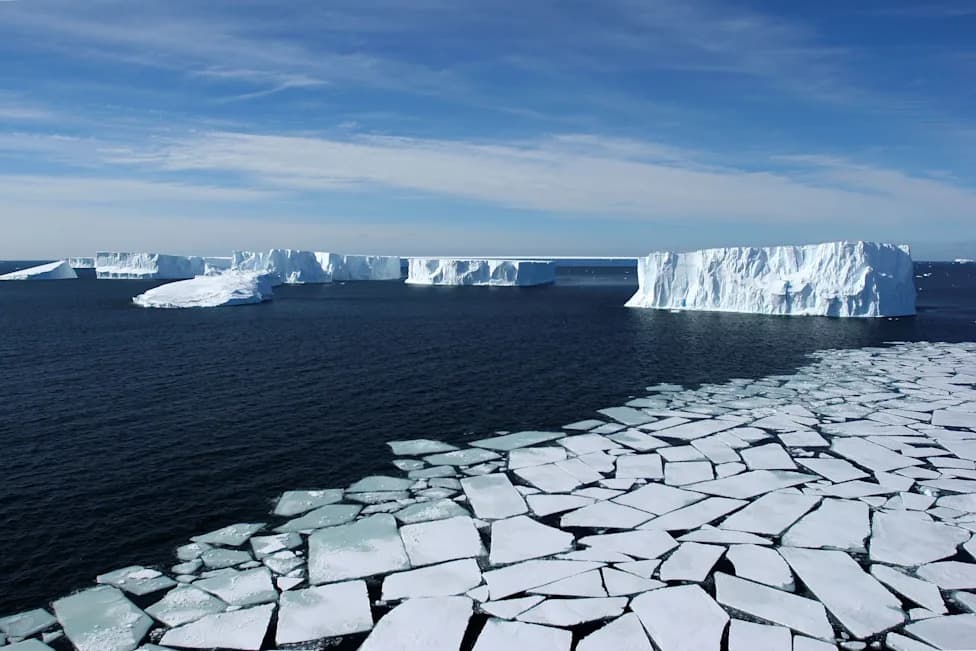
Photo Credit: iStock
Scientists report that winters in the southwestern Ross Sea are becoming stormier, delaying the usual onset of sea-ice formation and complicating seasonal fieldwork across one of Antarctica's most important research regions.
What the Study Found
Researchers at the University of Otago–Ōtākou Whakaihu Waka analyzed weather-station records of air pressure and temperature from 1964 through 2024 and combined those observations with satellite imagery. Their findings, published in Geophysical Research Letters and summarized on Phys.org, show that winter storms in the southwestern Ross Sea have grown stronger, more frequent, and less consistent over roughly the last 60 years.
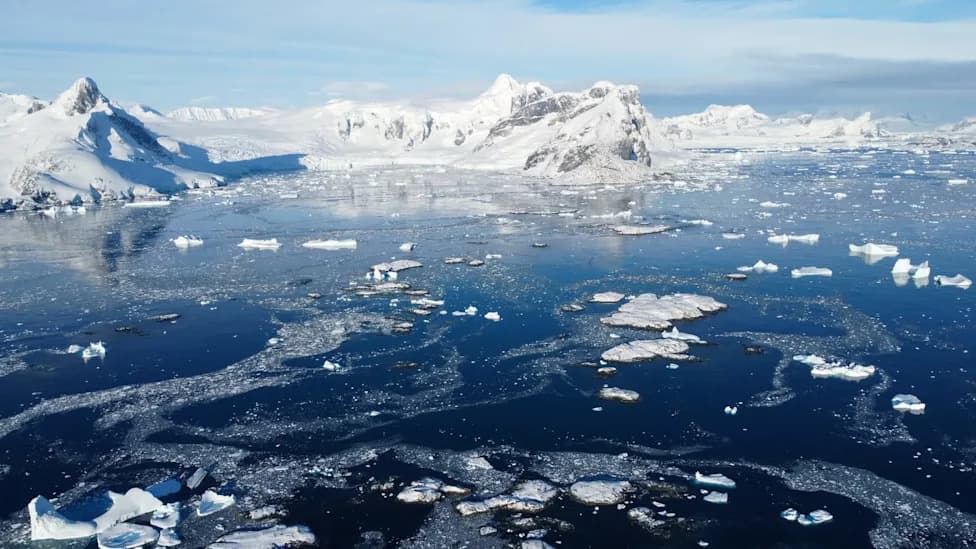
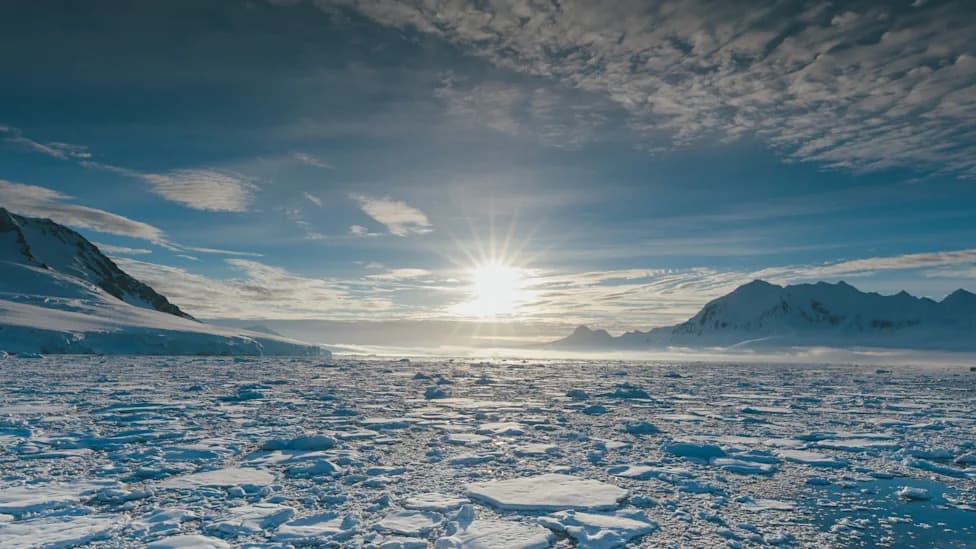
The records also reveal increased year-to-year variability: particularly stormy winters can be followed within a few years by unusually calm seasons. Notably severe storm periods in 2019, 2022 and 2024 were linked to delayed formation of fast ice—sea ice attached to shorelines, ice shelves, or grounded icebergs—and to thinner fast-ice in spring and early summer.
Impacts on Science and Safety
Fast ice is more than a seasonal feature in Antarctica: it serves as a platform for field camps, heavy equipment, and logistics. Thinner or later-forming fast ice reduces the safe window for spring and early-summer operations, especially in McMurdo Sound, which connects the Ross Sea with the McMurdo Ice Shelf and hosts New Zealand’s Scott Base and the U.S. McMurdo Station.
"Intense winter storms led to a reduction in fast-ice thickness in spring and early summer because the ice forms later and has less time to thicken," said co-author Greg Leonard of Otago’s School of Surveying.
Researchers emphasize that reduced ice thickness can prevent large field camps from operating safely and increases logistical risk for supplies, transport, and personnel.
Broader Climate and Monitoring Concerns
Sea ice plays a central role in Earth's climate system: when and how it forms affects ecosystems, ocean circulation, and scientists' ability to monitor regional change. The study highlights a growing midwinter observation gap. Routine winter sea-ice monitoring typically begins later in the year, leaving much midwinter activity unobserved—activity that could help explain why storms and ice patterns are shifting.
Lead author Antonia Radlwimmer, who completed this work as part of a Ph.D. in Otago's Department of Physics, said improved remote sensing and cold-season monitoring tools would help fill that gap by collecting data even when stable surface ice is absent.
Next Steps
Scientists are continuing to combine long-term station records with satellite data to track storminess, fast-ice timing and thickness, and seasonal stability. Better early- and midwinter observations would help researchers determine whether changes in storm patterns are driving the observed shifts in sea-ice formation and what that means for Antarctic operations and ecosystems.
Help us improve.