Summary: The Atlantic Meridional Overturning Circulation (AMOC), which brings warm water to Europe, is weakening as Greenland melt and increased freshwater freshen the North Atlantic. Researchers warn parts of the system — notably the subpolar gyre — could begin failing within decades, with consequences including colder, stormier winters, drier summers, higher seas and disrupted fisheries and agriculture. Governments are funding monitoring and assessments, but scientists say a permanent, well-funded observing network and rapid emissions cuts are essential to lower the risk.
The AMOC Threat: How a Weakening Atlantic Current Could Make European Winters Much Harsher
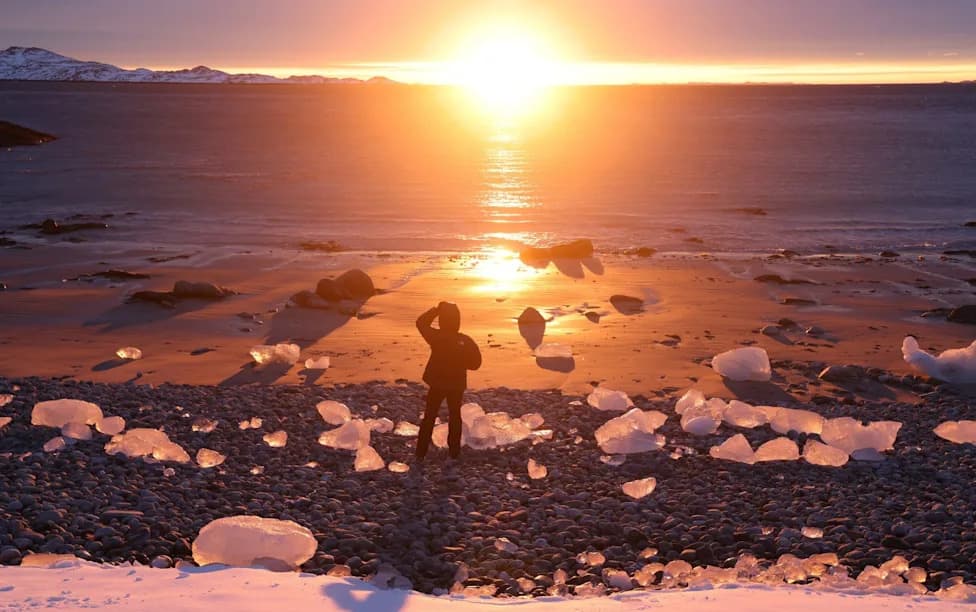
Arctic sea ice could push south toward Scotland and the Nordic fjords - Getty Images/Sean Gallup
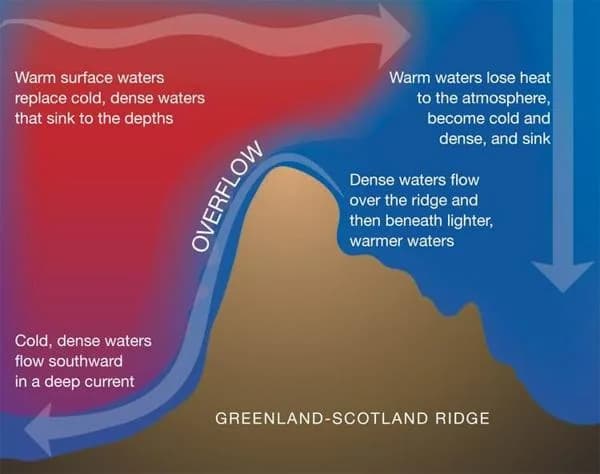
Far below the surface of the North Atlantic, a sprawling system of currents known as the Atlantic Meridional Overturning Circulation (AMOC) carries warm tropical water north and helps keep much of Europe far milder than regions at similar latitudes in North America. But scientists warn that climate change is weakening this oceanic heat pump, and parts of the system may begin to fail within decades.
Why the AMOC Matters
The AMOC regulates climate. The sinking of cold, salty water in the North Atlantic draws warm surface waters northward, moderating winters across the UK, Western Europe and Scandinavia. A sustained weakening of the AMOC would alter temperature patterns, storm tracks and rainfall across Europe and beyond.
How Climate Change Is Affecting It
Freshwater from accelerating Greenland ice melt and increased rainfall is making North Atlantic surface waters warmer and less salty, so they sink less readily. That reduces the circulation's strength and can set off a self-reinforcing feedback: weaker currents carry less salty water north, which further freshens surface waters and slows the AMOC.
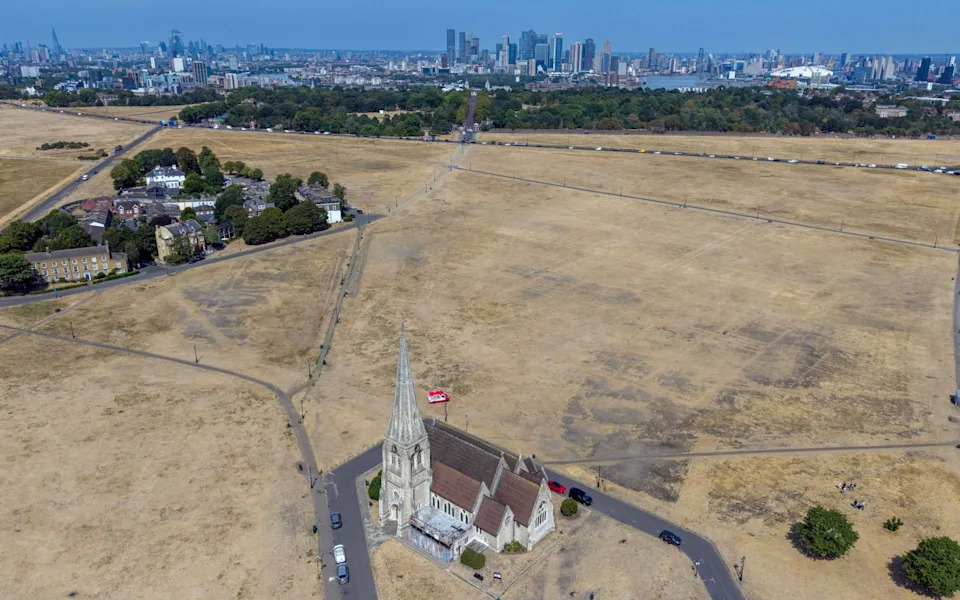
The UK, which was affected by extreme weather in summer, is investing in warning systems - Paul Grover
Scientists point to a persistently cool region south of Greenland — the so-called "cold blob" — and to model simulations and observational records as signs the AMOC may already be slowing. Researchers disagree on exactly when a tipping point might be reached; estimates vary from as low as ~1.4°C of global warming above pre-industrial levels to much higher thresholds. Nonetheless, the Intergovernmental Panel on Climate Change (IPCC) concluded in 2023 that the AMOC is "very likely" to weaken by 24–39% relative to pre-industrial levels this century.
Potential Impacts For Europe
A severe slowdown — even short of a total collapse — would produce wide-ranging effects over decades. Projected impacts include:
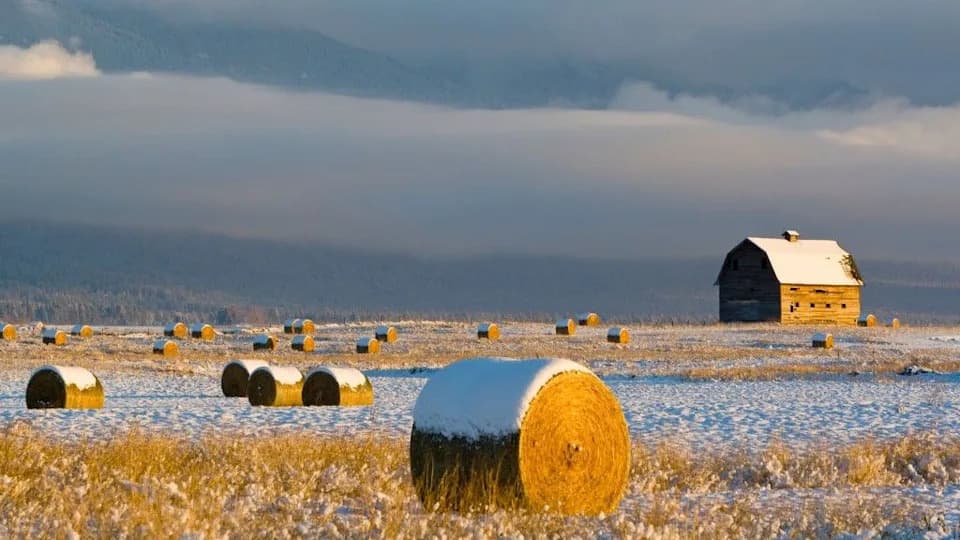
- Colder, stormier winters as a sharper temperature gradient forms between a chillier north and a warm south.
- Drier summers in parts of Europe and a southward shift of tropical rain belts, increasing drought risk in West Africa and driving migration pressures.
- Higher sea levels along Europe's North Atlantic coast and increased coastal flooding and saltwater intrusion into low-lying farmland.
- Disruption to fisheries and marine ecosystems, with potentially severe local economic consequences (for example, for Iceland).
- Reduced land suitable for crops in some regions: one study suggests U.K. cropland could fall dramatically under a full collapse scenario.
Early Warning, Monitoring And Policy Responses
Governments are beginning to act. The U.K. has committed £81 million to develop early-warning systems focused on the Greenland ice sheet and the subpolar gyre. Iceland has flagged an AMOC collapse as a national security risk; the Netherlands and Finland are assessing implications for coasts and agriculture; and the European Commission has pledged €92 million for ocean observation (a later pledging event raised that to €220 million).
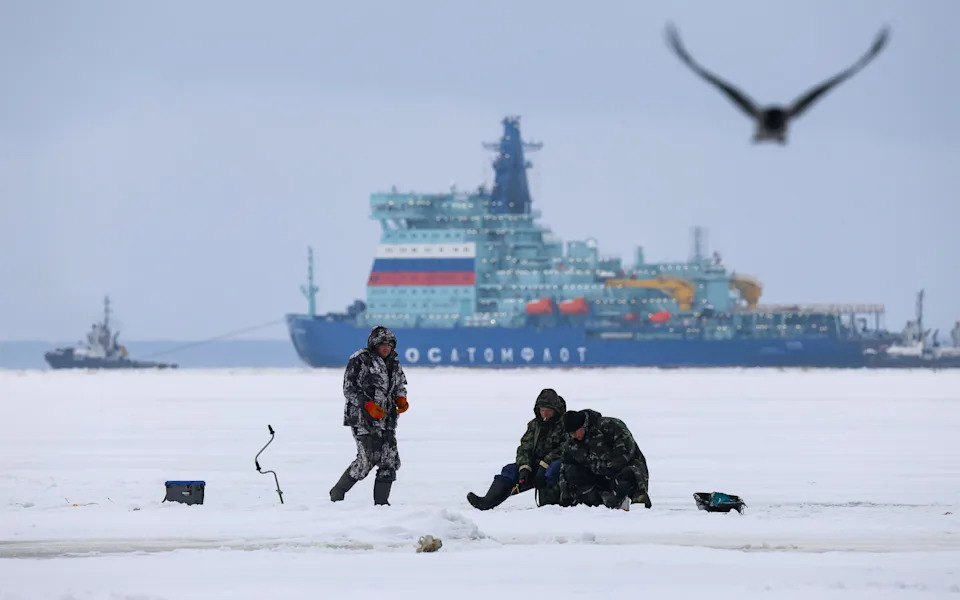
Fishermen fish on the ice of the Gulf of Finland with a nuclear icebreaker seen in the background - SOPA Images
Scientists welcome this funding but stress it is insufficient for a truly robust Atlantic-wide observing network. Researchers estimate roughly €500 million to €1 billion per year would be needed to sustain permanent observations comparable in scale to major weather or space programmes.
What Can Be Done
Many adaptation measures overlap with existing climate resilience work: reinforcing infrastructure, strengthening coastal defences, restoring landscapes to retain water and protect soils, and diversifying supply chains. These are "no-regret" steps that reduce vulnerability across a range of climate futures.
Crucially, the only action that reduces the underlying risk of a major AMOC weakening is rapid, deep cuts to greenhouse gas emissions. Reducing emissions remains the most effective way to lower the odds of crossing any AMOC tipping point.
"It is irresponsible to wait for absolute certainty before preparing," said Jóhann Páll Jóhannsson, Iceland's climate minister. "By the time the consequences become undeniable, it may already be too late to prevent them."
While a Hollywood-style, overnight ice age is not supported by evidence, the scientific consensus is clear that a weakening AMOC would have serious, long-term consequences for Europe and neighbouring regions. Improved, lasting observation and faster emissions reductions are the two priorities scientists and policymakers repeatedly highlight.
Help us improve.