The GAO reports the Air Force’s $21 billion B-52 modernization program is experiencing significant cost growth and schedule slippages, particularly for the Commercial Engine Replacement Program (38% cost increase) and the radar upgrade (now expected IOC in Q3 FY2030). Auditors warned that overlapping development, testing, and production raises additional risk and recommended delaying a production decision for the engines until further analysis is complete.
GAO: B-52 Modernization Faces Major Delays and Cost Overruns — Engines, Radar Hit Hardest
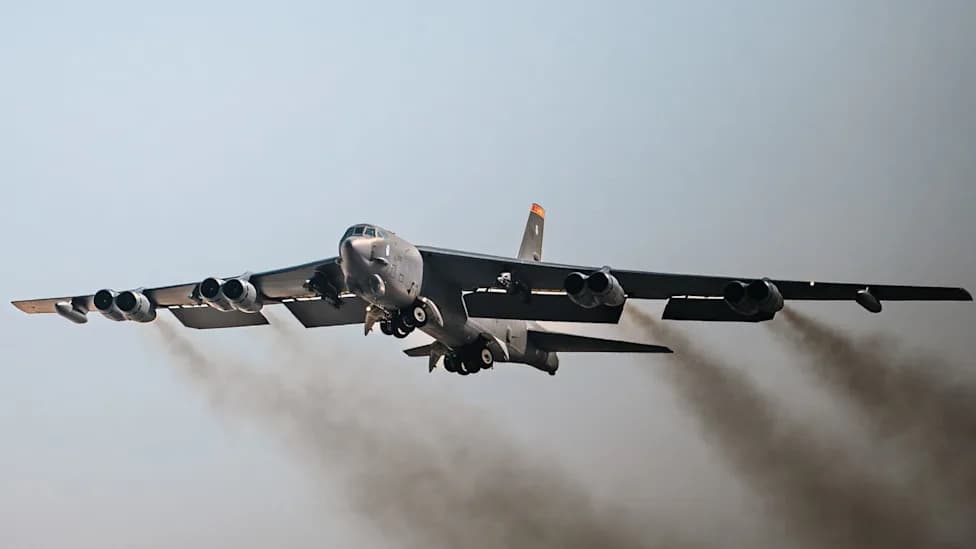
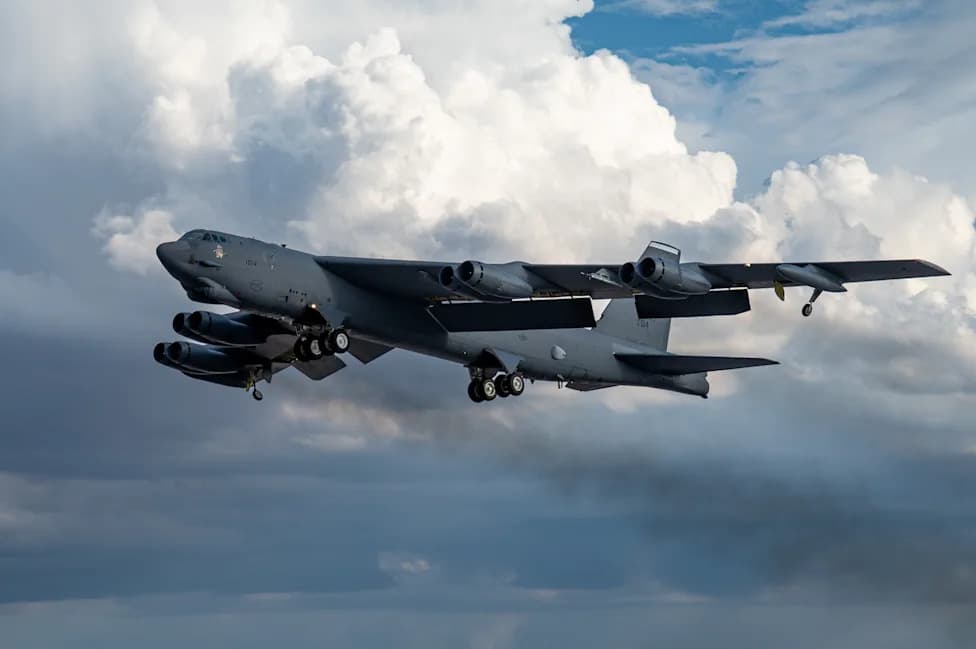
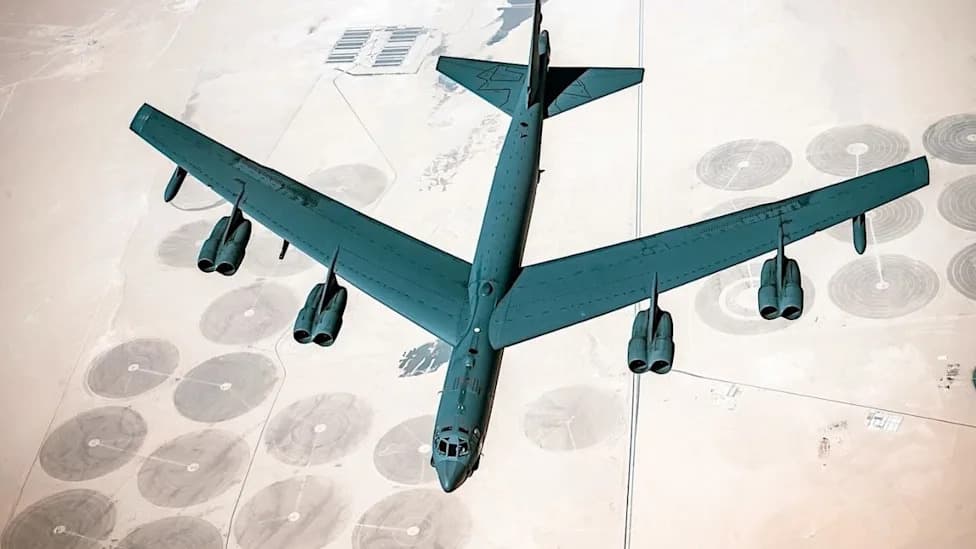
A B-52H Stratofortress with the 69th Expeditionary Bomb Squadron flies while deployed in the U.S. Central Command area of responsibility in 2024.
The Government Accountability Office (GAO) warns that the Air Force’s effort to modernize the B-52 Stratofortress is running behind schedule and over budget, with problems concentrated in the new engine and radar programs.
Key Findings
The GAO released a report on July 31 that assessed the cumulative B-52 modernization effort — a roughly $21 billion initiative intended to keep the bomber in service through about 2050. The watchdog found that two of the largest modernization components, the engine replacement and the radar upgrade, "experienced cost increases of more than 30 percent and schedule delays of more than 3 years since the programs began early development." The auditors cautioned both programs could face additional cost, schedule, and performance risks because production of modernization items is planned to begin around the same time developmental testing is still underway.
Engines (CERP)
The Commercial Engine Replacement Program (CERP), which will retrofit the fleet with Rolls‑Royce F130 engines, is the single largest cost driver in the package. The GAO reports CERP’s estimated costs have risen about 38 percent. The Air Force’s decision to overlap engine development and flight testing — a concurrency approach — increases the risk that significant design changes discovered in testing will cause further delays and additional cost.
Radar Upgrade
The radar modernization effort has also slipped. The GAO says initial operating capability for the new radar is now expected in the third quarter of fiscal 2030. Delays in this and other programs reduce confidence in timelines for delivering the full suite of upgrades.
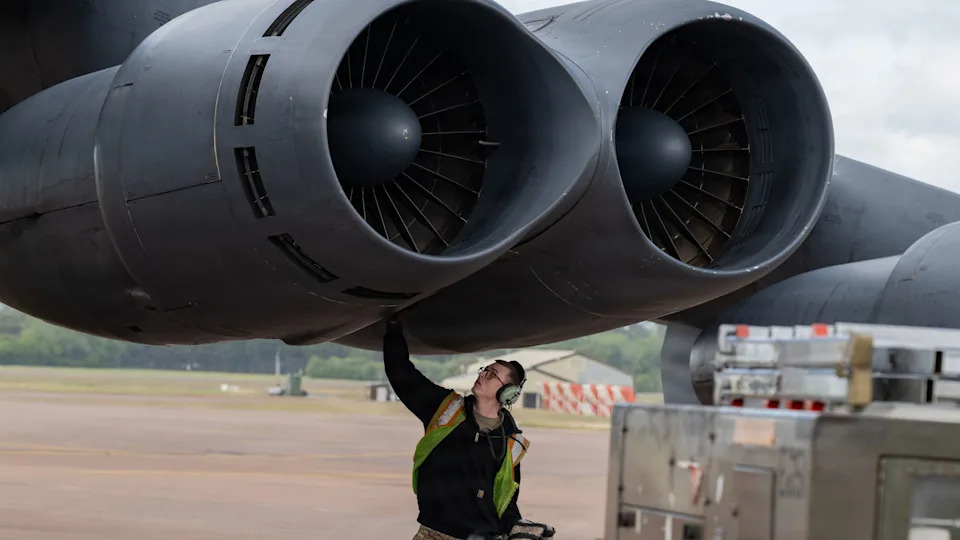
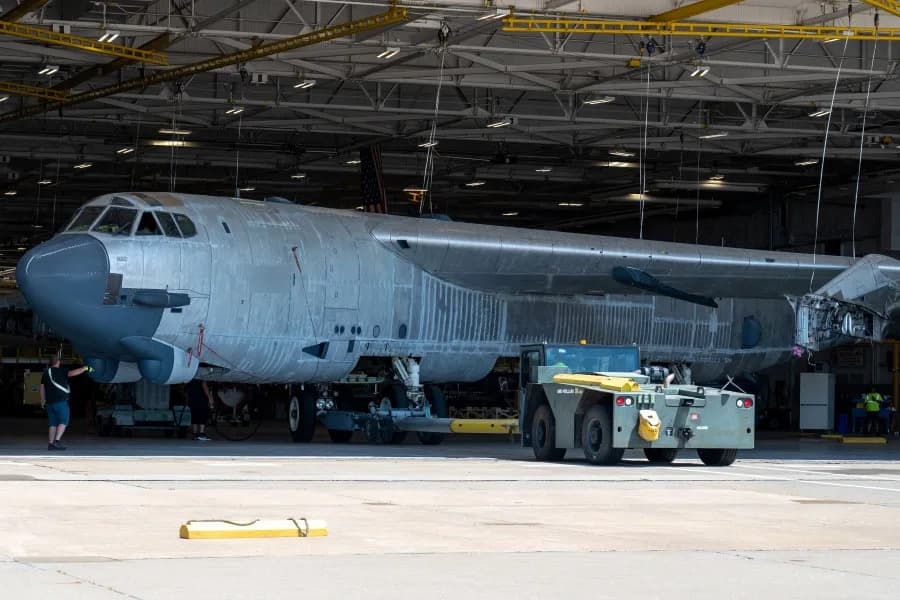
An airman works on an engine of a B-52H in May 2026. Air Force photo by Master Sgt. Eric Summers Jr.
Program Management Challenges
Beyond engines and radar, the GAO identified several programmatic shortcomings: shortages of support equipment, unclear guidance on supplies and spares, inconsistent use of digital tools to capture and manage engineering and logistics data, and varying degrees of cost growth, schedule delays, or performance shortfalls across 10 of the 13 subprograms that make up the overall effort.
"The scope of the cumulative B-52 modernization effort, combined with the inherent complexity associated with simultaneously executing multiple independent and concurrent programs, results in technical, programmatic, and operational challenges for the entire community tasked to develop, integrate, test, and field these upgrades," the GAO wrote.
Operational Context and Safety Note
As of March 2026 the Air Force inventory included 76 B-52s. The long-serving bomber remains a central part of U.S. strategy: B-52s flew near Venezuela in late 2025 ahead of U.S. action in January, and they participated in Operation Epic Fury missions this spring related to Iran.
After the GAO’s review was prepared, a B-52 participating in the radar modernization program crashed during a test flight on June 15, 2026, shortly after takeoff from Edwards Air Force Base, California. The accident killed eight people; the Air Force is investigating.
GAO Recommendations
The GAO issued six recommendations to improve program oversight and resilience. Highlights include:
- Update repair and sustainment plans to account for potential modernization delays.
- Clarify authorities and responsibilities for tracking the longevity and spares of parts and equipment.
- Increase and standardize use of digital engineering and data tools to manage program information across subprograms.
- Delay a final production decision for CERP until the program office completes an analysis of the effects of recent delays and cost increases.
Taken together, the GAO’s findings underscore the risks of executing multiple large modernization efforts concurrently and the need for stronger program oversight, clearer logistics planning, and improved digital data practices to protect readiness for the decades-long service life the Air Force expects from the B-52.
Help us improve.