Overview: Andy Burnham's guarded comments on a snap election belie real uncertainty, and Labour's decisive wins in Manchester have strengthened the case for going early. A 2017 precedent — Theresa May's surprise election after a polling surge — shows how rapidly leaders can change course when polls improve. If national polling moves 5–8 points in Labour's favour and momentum holds, advisers say the party would seriously consider calling a general election.
Labour's Manchester Victories Increase Odds Of A Snap General Election
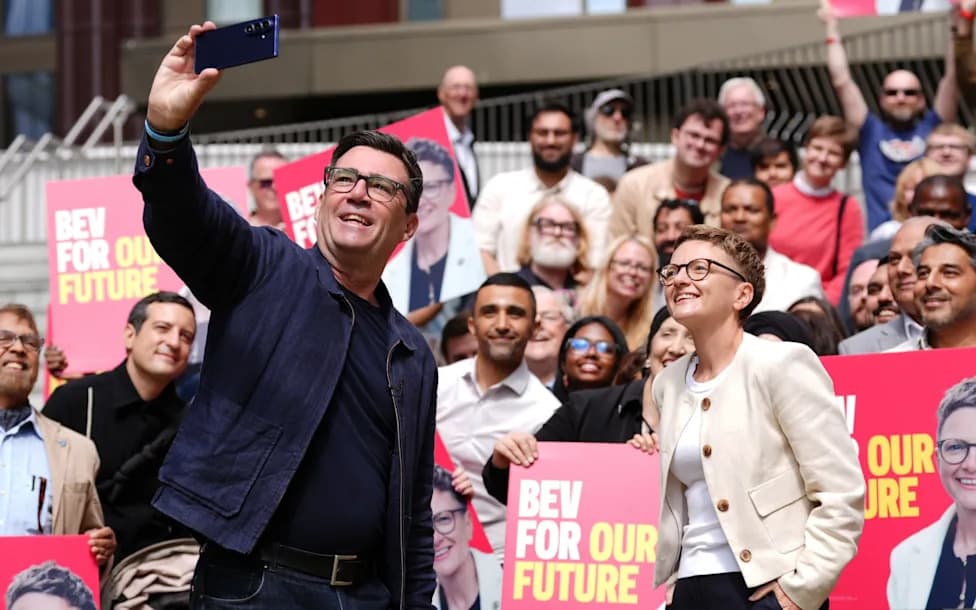
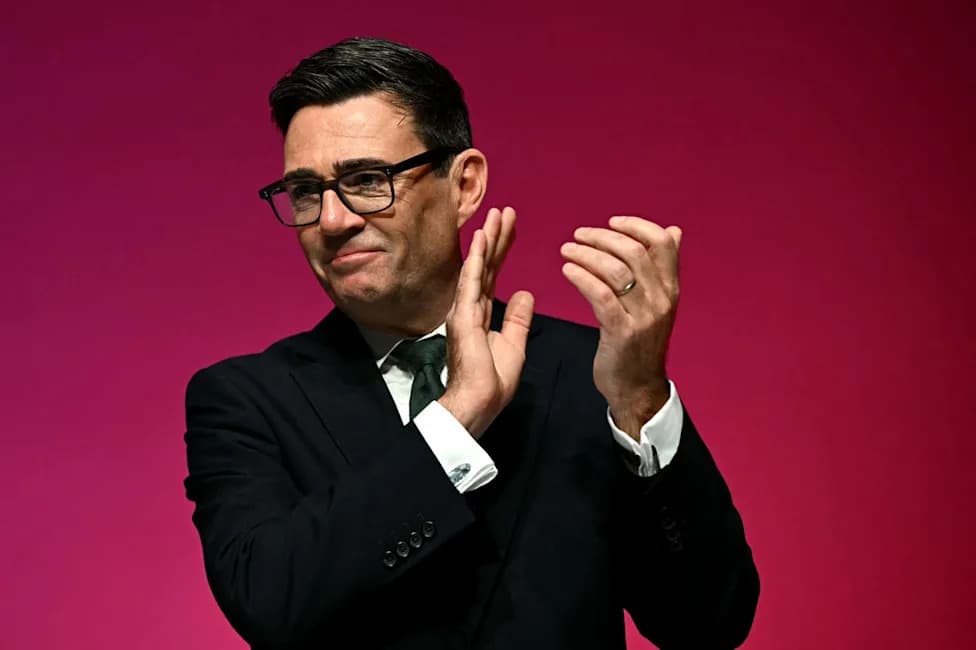
Backed by Andy Burnham, Bev Craig outperformed in the polls - Annabel Lee-Ellis
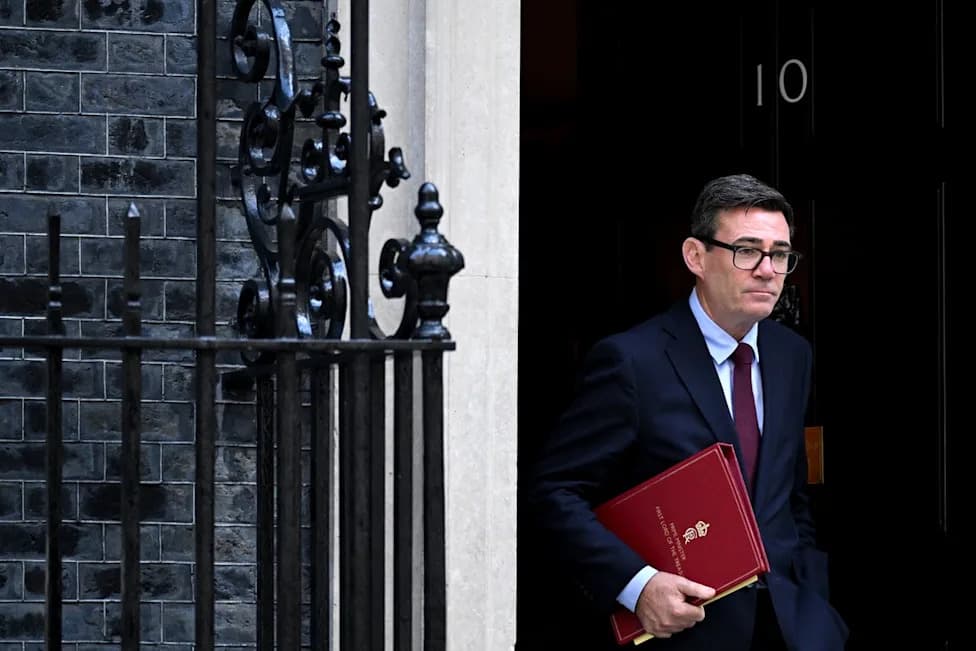
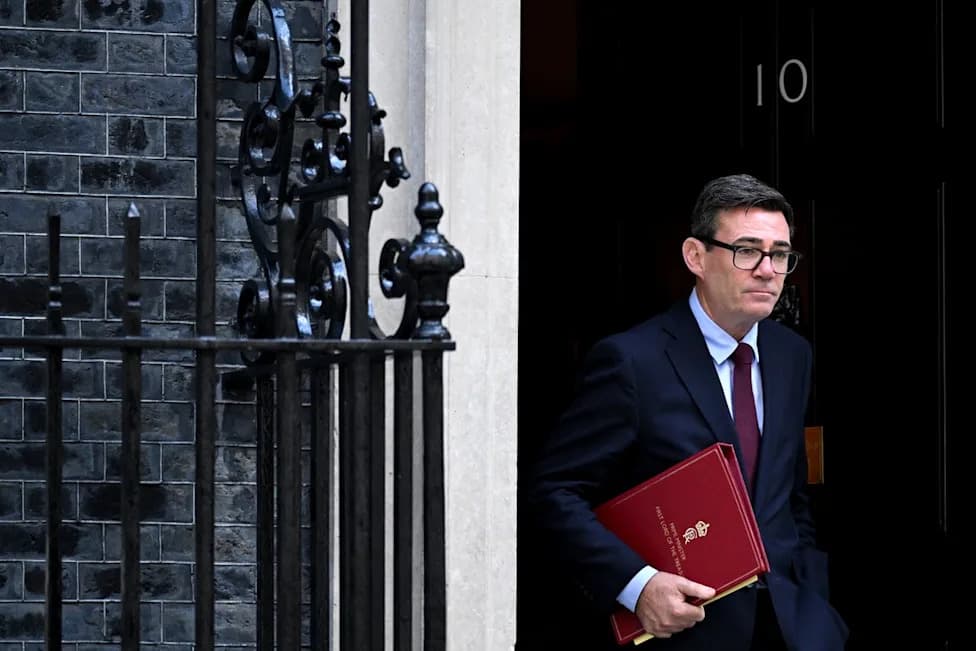
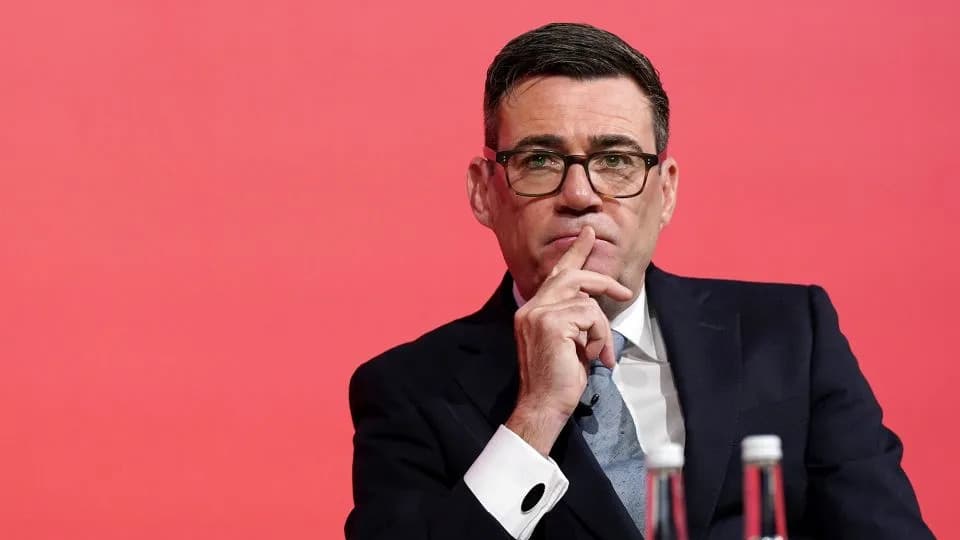
Andy Burnham appeared to rule out an early general election in a recent BBC interview, but his language was cautious. He said, "I'm going to rule it out," then added, "I don't think people want it," and later: "I just think what I most need to do is get Britain focused..." His repeated use of "think" suggests genuine deliberation rather than an absolute refusal.
Labour's strong performances in recent mayoral contests have sharpened the calculation. Pollsters expected a modest win for Burnham in Makerfield — one firm put his lead at roughly 3 percent — yet he prevailed by around 20 points. In Greater Manchester, first-round polling clustered in the high 30s while Labour's Bev Craig secured 47.1% of the vote, comfortably exceeding many estimates.
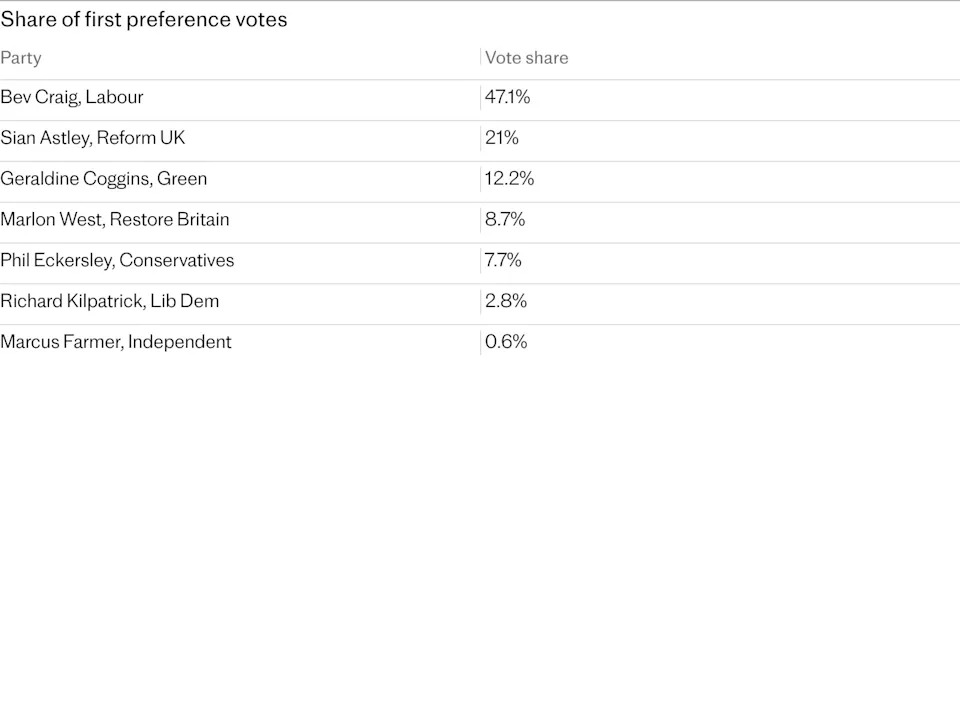
Manchester mayoral by-election
Historical Precedent: Theresa May, 2017
There is a clear modern precedent for a late reversal. After succeeding David Cameron in July 2016, Theresa May repeatedly ruled out an early election; by April 2017, however, a sustained polling lead encouraged her to call a snap vote. Polling swung from single-digit leads to as much as a 21-point advantage, underpinning her decision to seek a fresh mandate.
Why Labour Might Consider Going Early
Party strategists are likely weighing a similar dynamic now. If national polls move consistently in Labour's favour by around 5–8 percentage points and momentum is reinforced by positive announcements, advisers say the case for an early election would become compelling. The strategic logic is straightforward: capture momentum when it peaks, before opponents can regroup.
That said, there are practical constraints. A commitment to a 2024 manifesto tax freeze would limit fiscal flexibility, making it harder to fund major domestic priorities — notably social care reforms that have been a long-standing focus for some Labour figures. Any decision to call an early election would need to balance electoral opportunity against policy credibility and delivery capacity.
Bottom line: Labour's Manchester results have measurably increased the probability of a snap general election, but timing will depend on sustained polling advantage and the party's confidence in delivering its agenda under existing fiscal pledges.
Help us improve.