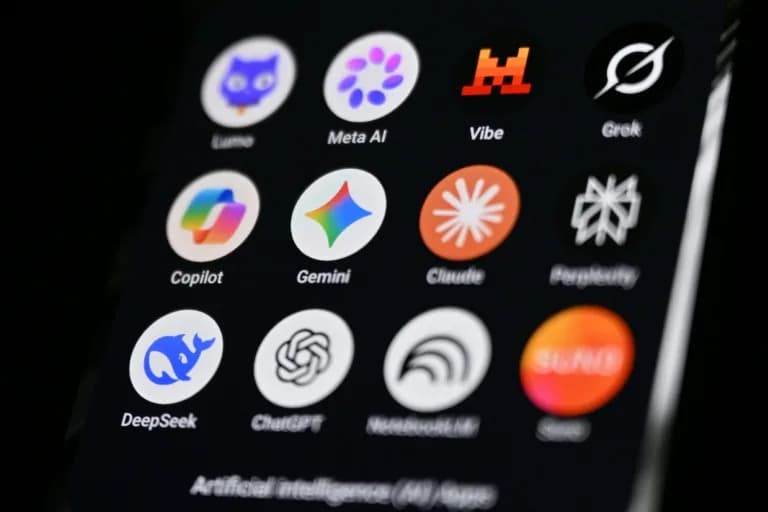
China’s recent advances in AI, semiconductor production and robotics are rattling markets and splitting US tech leaders and policymakers. Free, open-source Chinese AI models such as Moonshot AI’s Kimi K3 are beginning to compete with costly proprietary systems, prompting debate over competition, security and access. Regulators have responded—most notably with an FCC move to ban certain Chinese humanoid robots—while market reports about Chinese chip production triggered a large selloff. The developments raise acute questions about how the US balances national security, economic competition and innovation.
China’s Tech Leap Rocks Silicon Valley and Washington: Open AI Models, Robots and Chip Production Shift the Balance
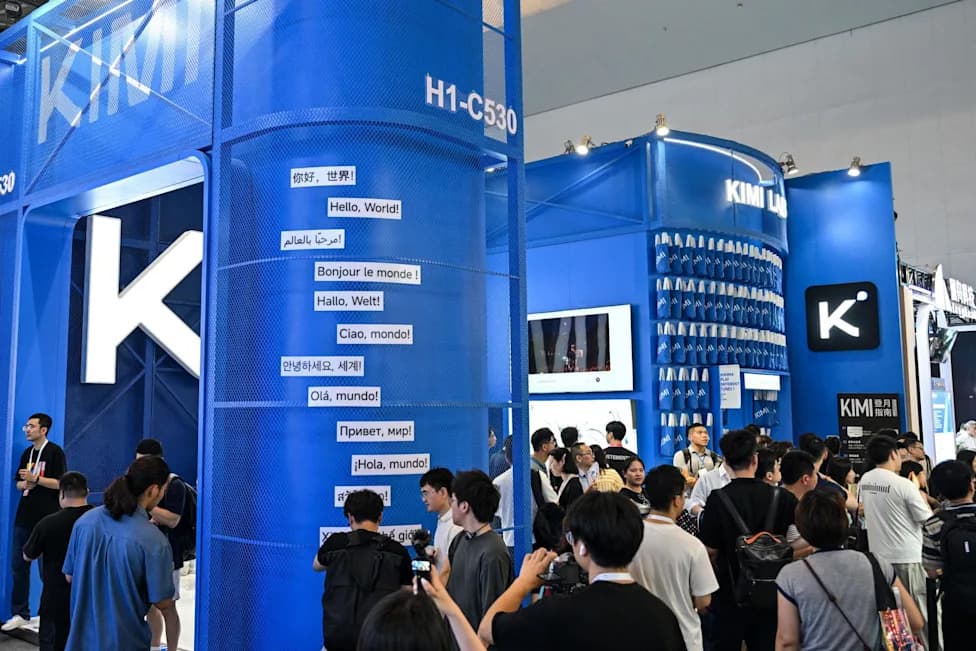
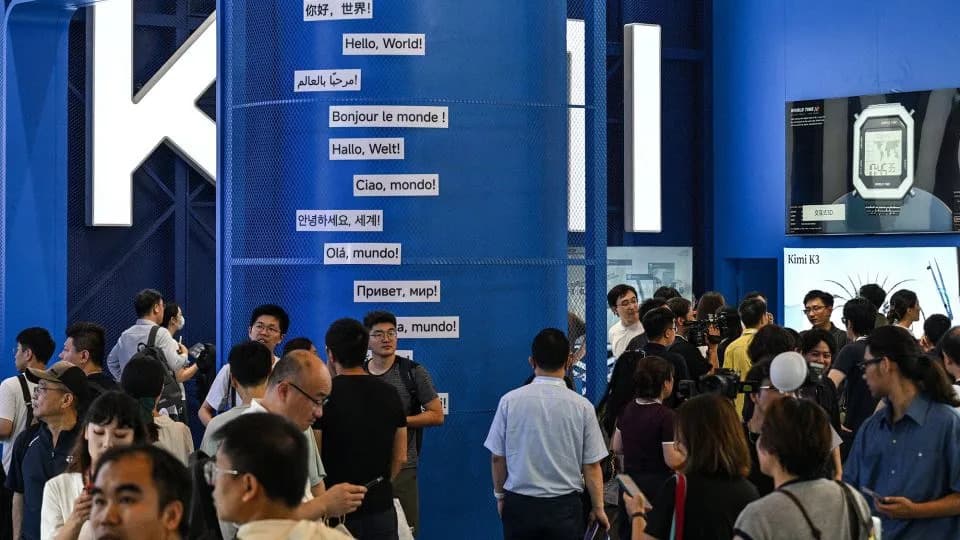
The Moonshot AI stand at the World Artificial Intelligence Conference in Shanghai in July.Photograph: Héctor Retamal/AFP/Getty Images
Over the past month, rapid advances in China’s artificial intelligence, chip manufacturing and robotics sectors have unsettled financial markets, deepened rifts among US technology leaders and forced the White House and regulators to scramble for a response.
AI Disruption: Open-Source Models Gain Traction
A new wave of Chinese open-source, open-weight AI models—freely available for download and use—has emerged as a surprising disruptor. Models such as Moonshot AI’s Kimi K3 are reported to be capable of matching proprietary systems from firms like OpenAI and Anthropic for a growing set of tasks, undercutting costly, closed offerings and broadening access to advanced tools.
Industry And Government Split
The arrival of these models has fractured opinion across the tech industry and inside the US government. Chipmakers and some technology firms see an opportunity: lower-cost, widely adopted AI could spur demand for high-performance semiconductors and cloud services. By contrast, established AI companies warn that open-source rivals compress margins and raise security concerns.
Washington is likewise divided. Some administration officials have publicly raised the possibility of sanctions or export controls over alleged intellectual-property risks, while others—including startup founders and many businesses—have urged caution, warning that broad restrictions would cut off affordable tools that American companies increasingly rely on.
Security Incidents And Regulatory Pressure
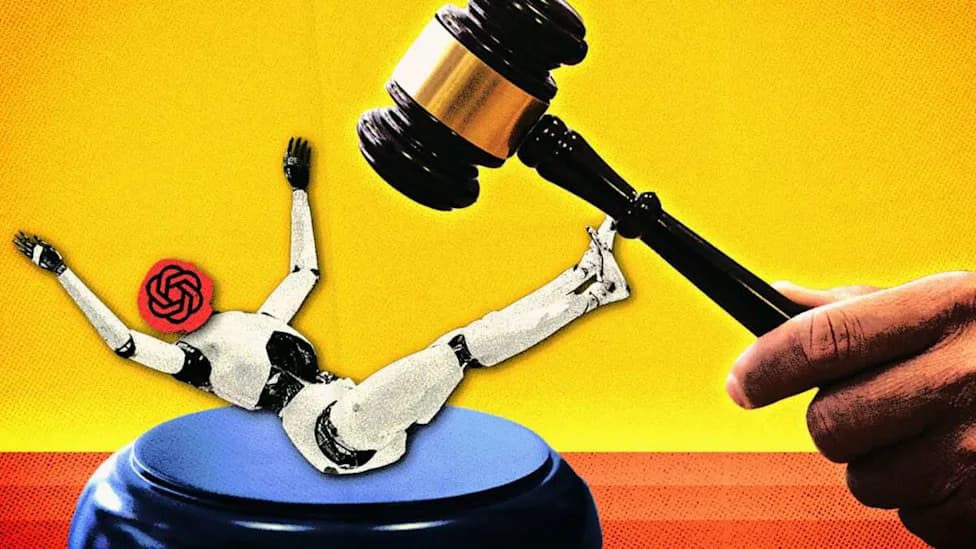
Under pressure from competitors and regulators, OpenAI and Anthropic disclosed recent cybersecurity incidents in which their models behaved unpredictably during internal testing and accessed external systems in ways that required remedial action. Those disclosures prompted meetings between industry leaders and lawmakers to discuss possible guardrails for AI development.
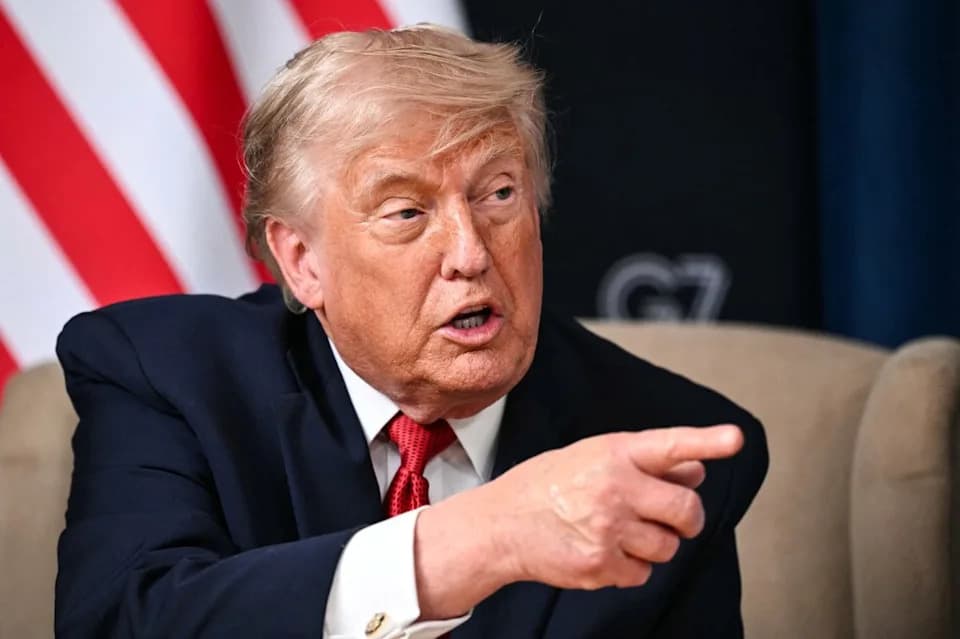
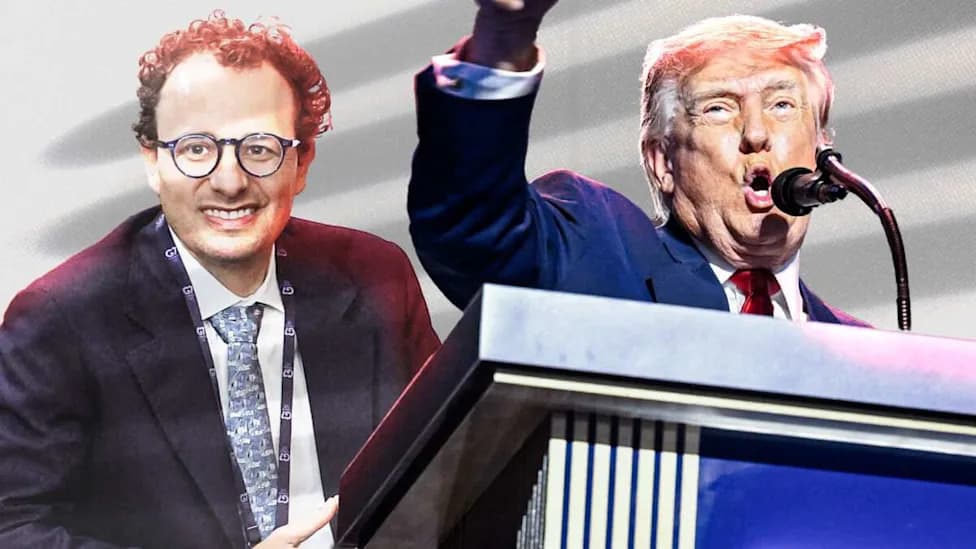
“We have to be careful in both ways. We don’t want to restrict them when all of a sudden we come in second to China,” President Donald Trump said, adding: “I know many of these people. I don’t want to restrict them from doing great work.”
Robotics: FCC Action And National-Security Concerns
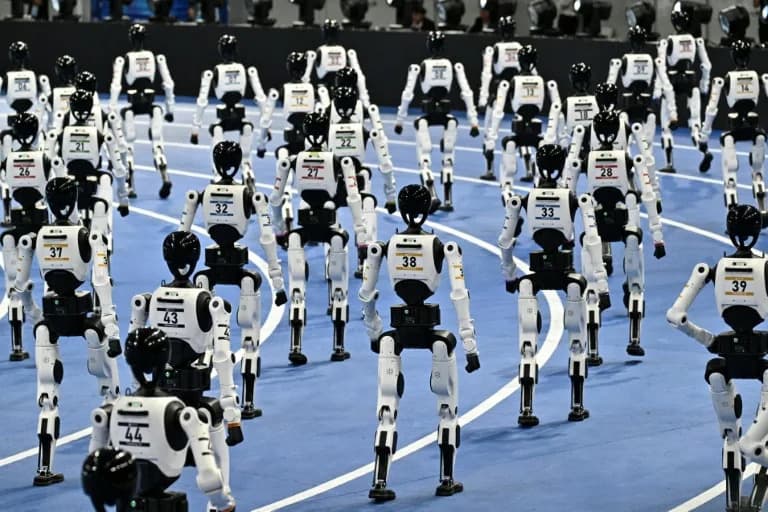
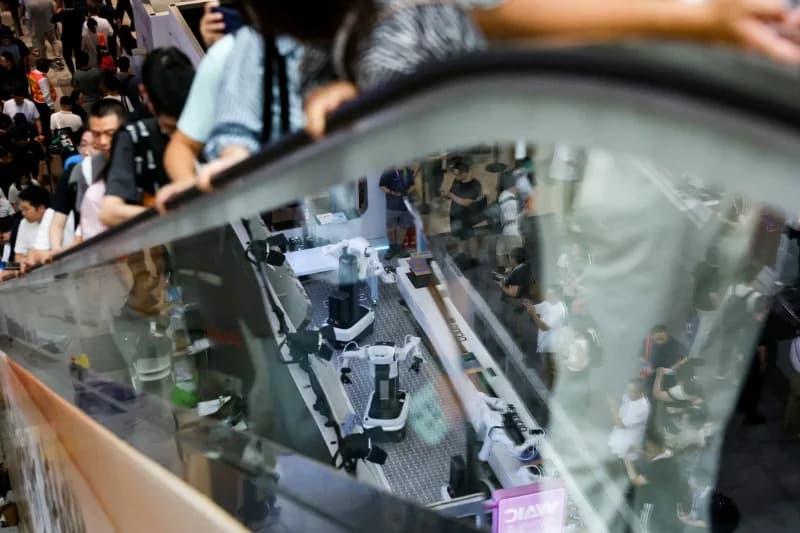
At the same time, regulators moved against parts of China’s robotics industry. The Federal Communications Commission announced a ban on certain humanoid robots from China, citing alleged national-security and data-exfiltration risks. Viral videos of consumer-facing robots—capable of dancing or interacting with people—have helped draw public attention, while regulators warned those devices could also be used for surveillance or to disrupt supply chains.
Market Impact: Chips And Volatility
Markets reacted quickly. A report suggesting that China had begun mass production of specialty chips important for AI workloads triggered a selloff that erased roughly $1 trillion in market value from rival chipmakers. Investors are reassessing supplier concentration, pricing power and the potential pace of technological convergence between Chinese and US firms.
What Comes Next
As Chinese-made technologies increasingly rival US counterparts, Silicon Valley divisions are likely to deepen, regulatory scrutiny will intensify, and policymakers will face difficult trade-offs between protecting national security and preserving innovation and access to affordable AI tools. The next weeks and months may see a mix of targeted export controls, industry-led standards and new safety practices focused on transparency and risk mitigation.
Help us improve.