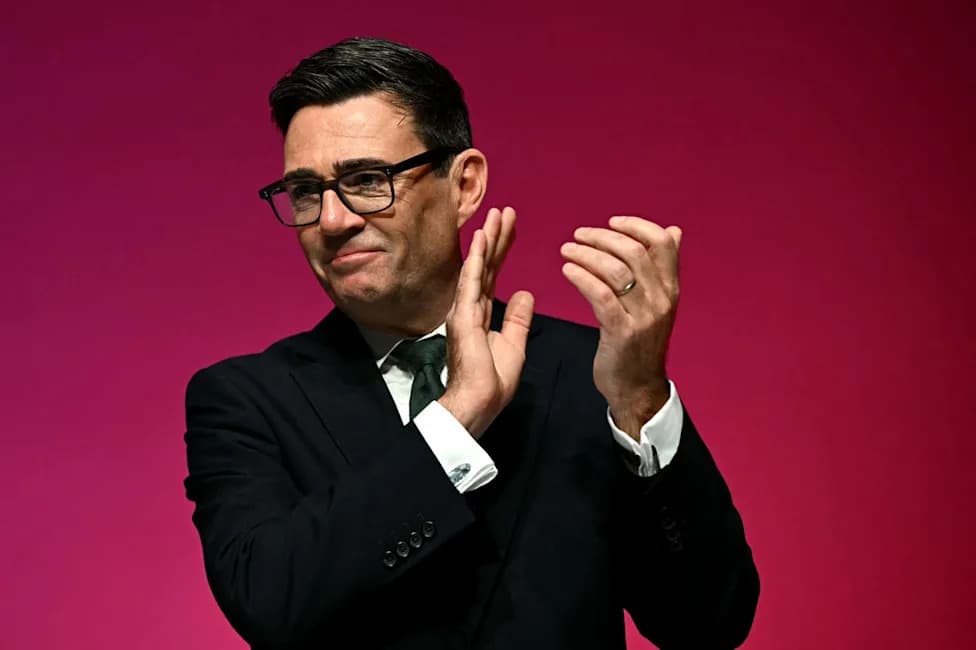
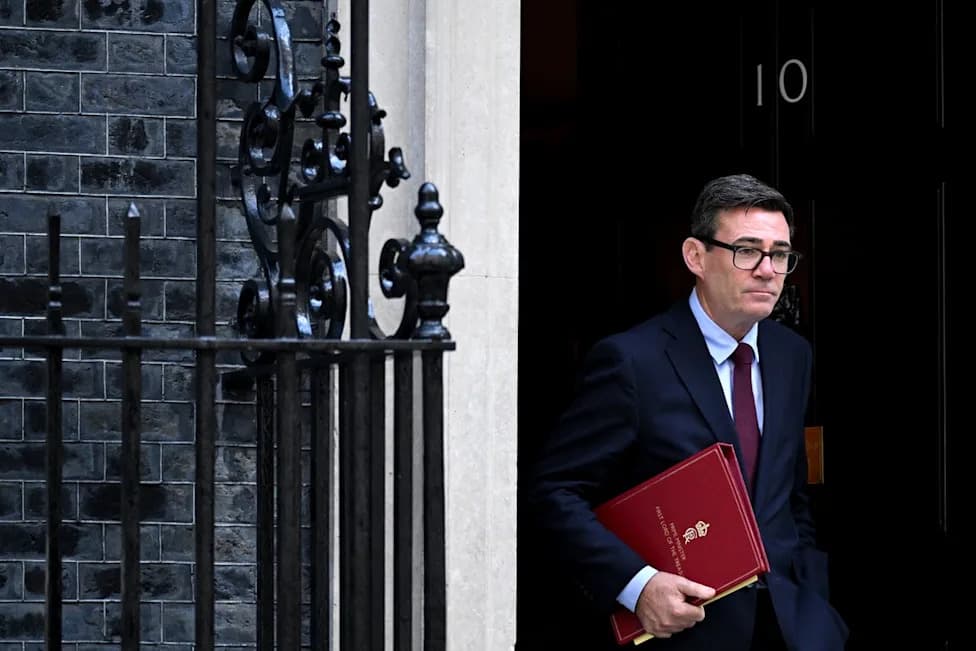
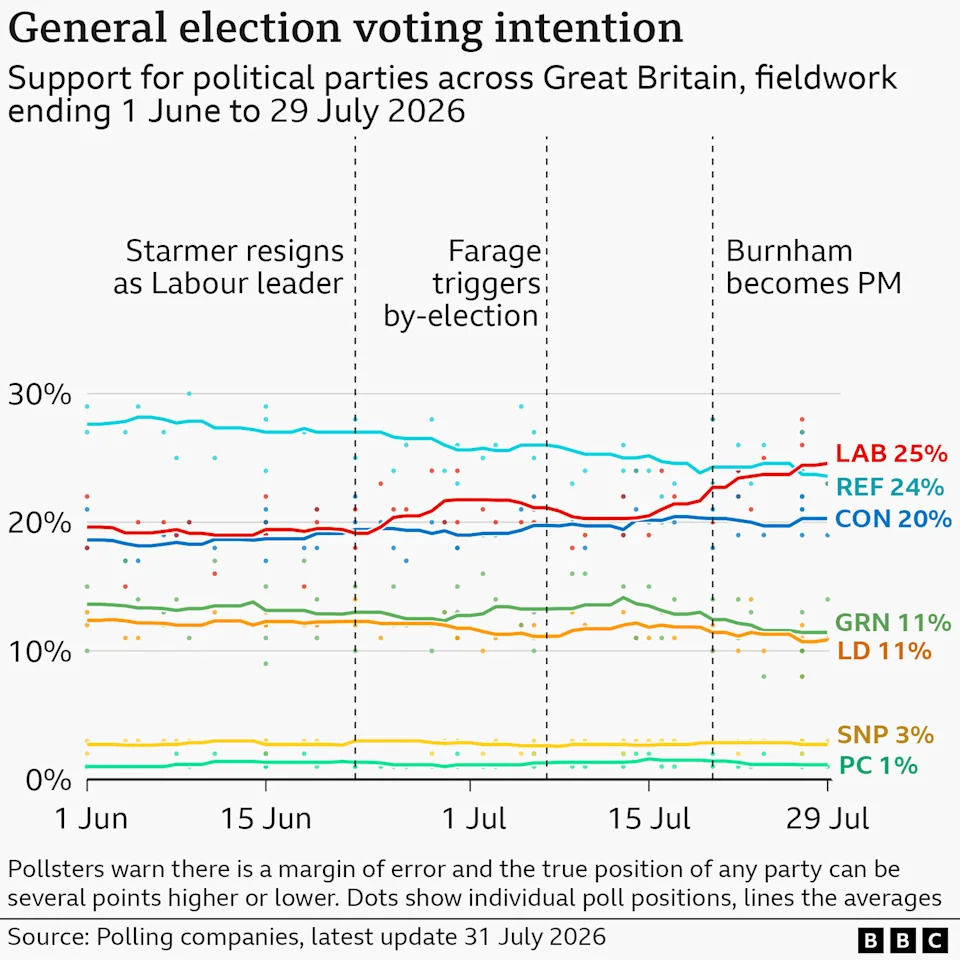
Sir John Curtice argues the "Burnham bounce" in opinion polls is real but modest. Labour's support has risen to the mid-20s from 19% in late June and was reinforced by a 47% showing in the Greater Manchester mayoral by-election. Much of Labour's improvement reflects Reform's recent setbacks after Nigel Farage's announcement; the central challenge for Burnham is to convert short-term gains into durable support from working-class, pro-Brexit voters ahead of 2029.
Sir John Curtice: The 'Burnham Bounce' Is Real — But Modest and Fragile
[BBC]
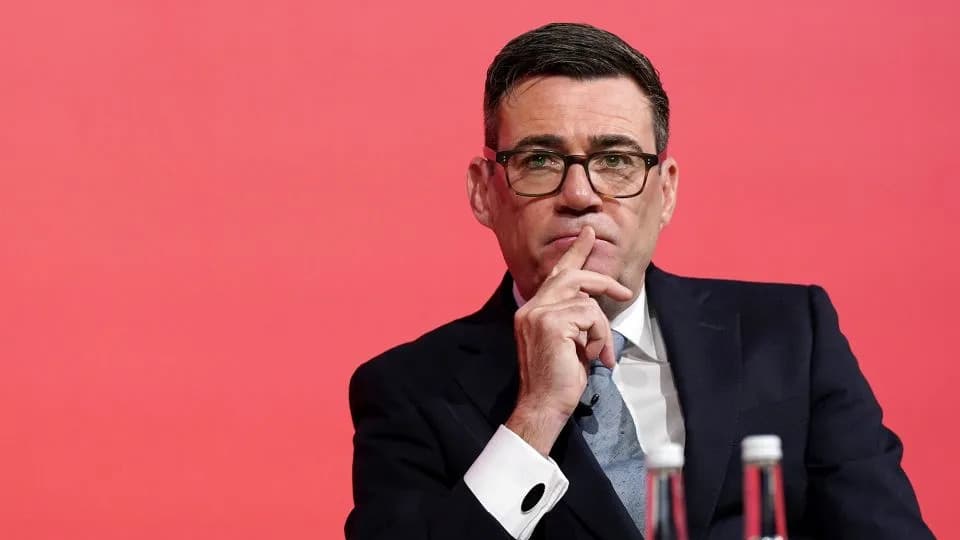
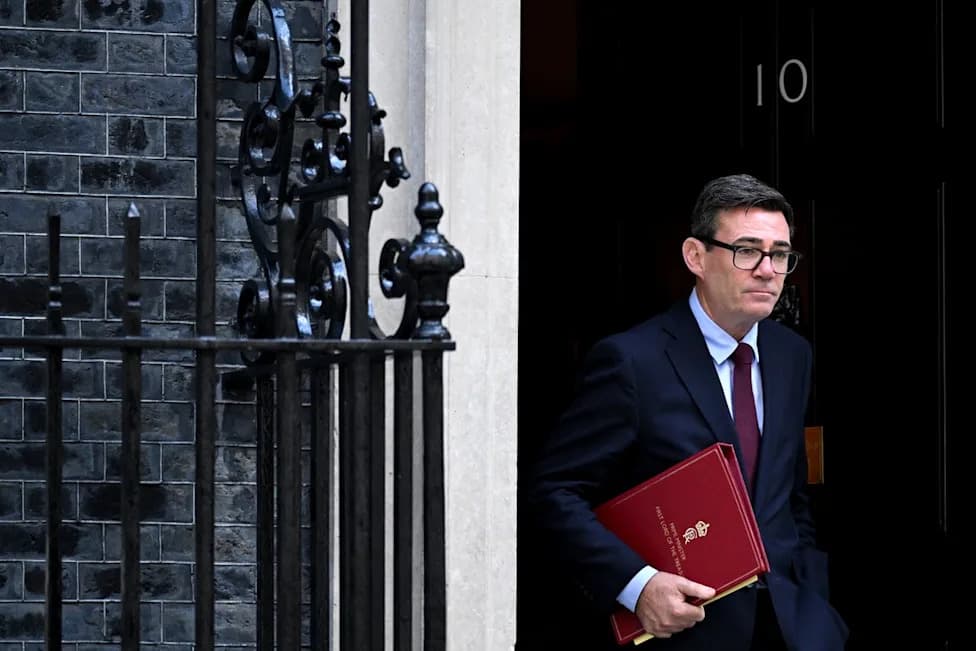
Opinion polling since Andy Burnham entered Downing Street nearly two weeks ago shows a genuine — but limited — "Burnham bounce" for Labour. The uptick was reinforced by Labour's decisive win in the Greater Manchester mayoral by-election, yet important challenges remain before the party can be confident about a general election.
Short-Term Boost, Long-Term Questions
Polls conducted over the last week place Labour in the mid-20s on average — its strongest position since early last year and a clear improvement on the 19% recorded in late June when Sir Keir Starmer announced his resignation. Still, Labour remains well below the roughly 35% it won at the 2024 general election, and Reform remains only narrowly behind in many surveys.
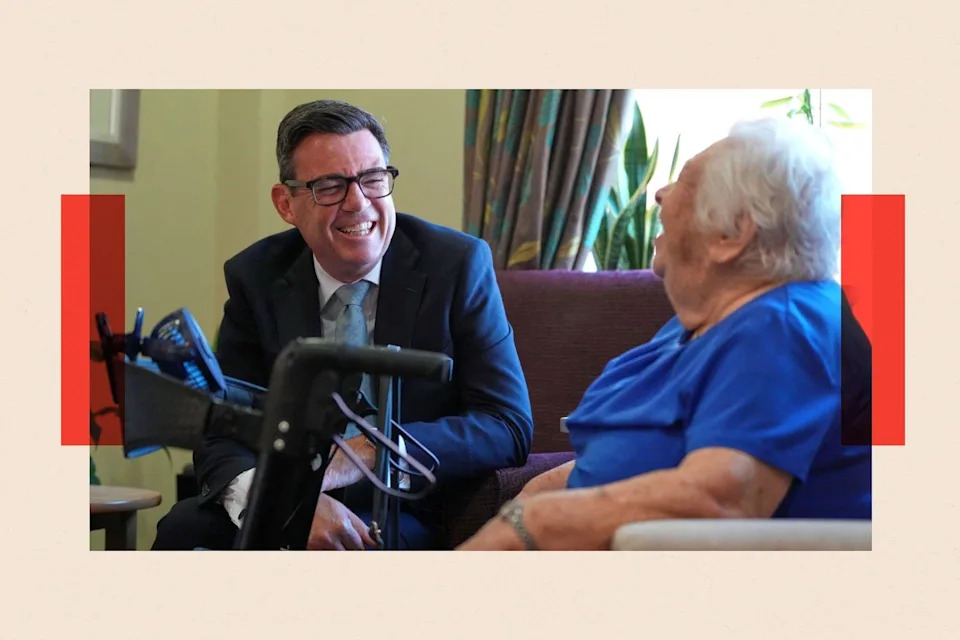
It is not unusual for a new prime minister to enjoy a poll bounce [Reuters]
Historical context: Most recent mid-term changes of prime minister have produced a short-lived rise in support for the incumbent government — Gordon Brown (+7) after Tony Blair in 2007 and Boris Johnson (+6) after Theresa May in 2019 — with Liz Truss in 2022 the notable exception.
What the Manchester Result Shows
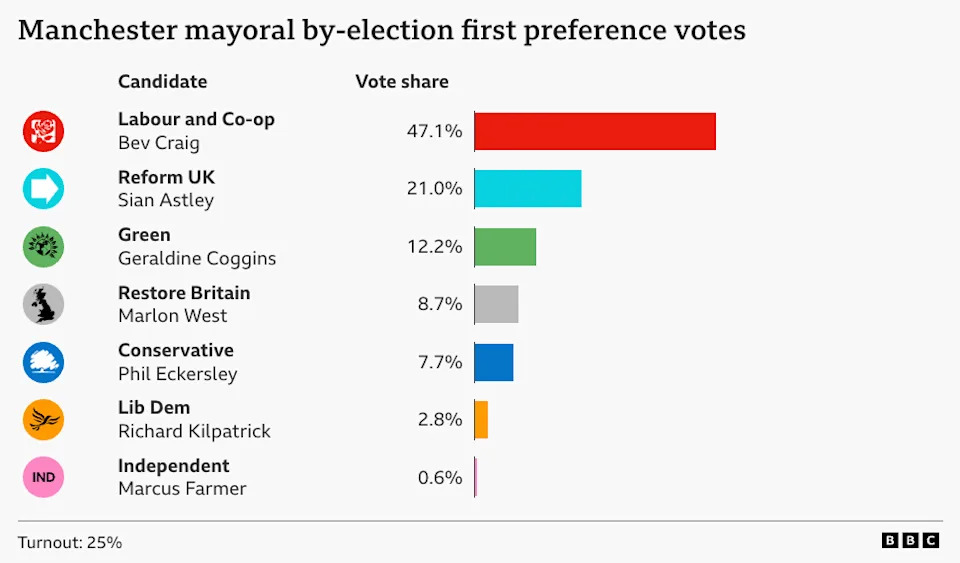
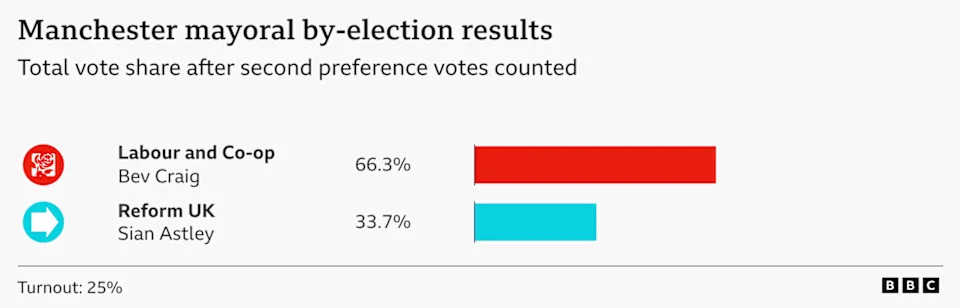
Labour won 47% of first-preference votes in the Greater Manchester by-election — down from the 63% Andy Burnham secured in the previous mayoral contest, but nearly double the 24% Labour recorded across the region in May's local elections. The 47% result was also four points higher than Labour's local tally in the 2024 general election, outperforming recent national polling expectations.
Given the narrow national lead over Reform, Mr Burnham has understandably ruled out calling an early general election. Much of Labour's relative improvement owes as much to Reform's problems as to Labour's new leadership.
[BBC]
Reform's Setbacks And Their Impact
Reform's polling slipped from an average of 27% immediately before Nigel Farage's announcement on 7 July to 24% in the polls taken after he said he would stand down and recontest his Clacton seat in a by-election scheduled for 13 August. The party has also faced questions about the legality and disclosure of some funding. Farage's personal ratings have fallen to their lowest since his return to Reform's leadership during the 2024 campaign.
In Manchester, Reform's share of first preferences was nine points lower than in May's local elections. The new breakaway group, Restore Britain, led by Rupert Lowe, won nearly 9% of the vote and even outpolled the Conservatives locally — a result that further hurt Reform's performance.
[BBC]
Where Labour Is Gaining — And Losing
The main source of Labour's recovery has been reclaiming voters from the Greens and the Liberal Democrats, both of which have dropped roughly two points since Burnham's uncontested leadership victory. The Greens have been particularly affected: their current 11% is up to four points below their level when Sir Keir announced his departure.
When Sir Keir resigned, 14% of people who voted Labour in 2024 said they would back the Greens; that has fallen to 9%. More broadly, 67% of 2024 Labour voters now say they would back Labour again, up from 57% when Sir Keir announced he was leaving.
[BBC]
Following Reform's difficulties, Labour is also losing fewer of its 2024 voters to Reform. The Conservatives, who earlier lost more support to Reform than Labour did, have edged back to around 20% in recent polls.
The Road Ahead
Burnham's arrival has injected fresh hope into Labour, but the party still faces a key strategic challenge: winning back working-class, pro-Brexit voters who once formed part of Labour's core and who now largely underpin Reform's support. To position Labour for victory in 2029, Burnham must translate short-term poll gains into sustained policy delivery so voters can see promises turning into action.
About the author: John Curtice is Professor of Politics at the University of Strathclyde and Senior Fellow at the National Centre for Social Research and The UK in a Changing Europe.
Help us improve.