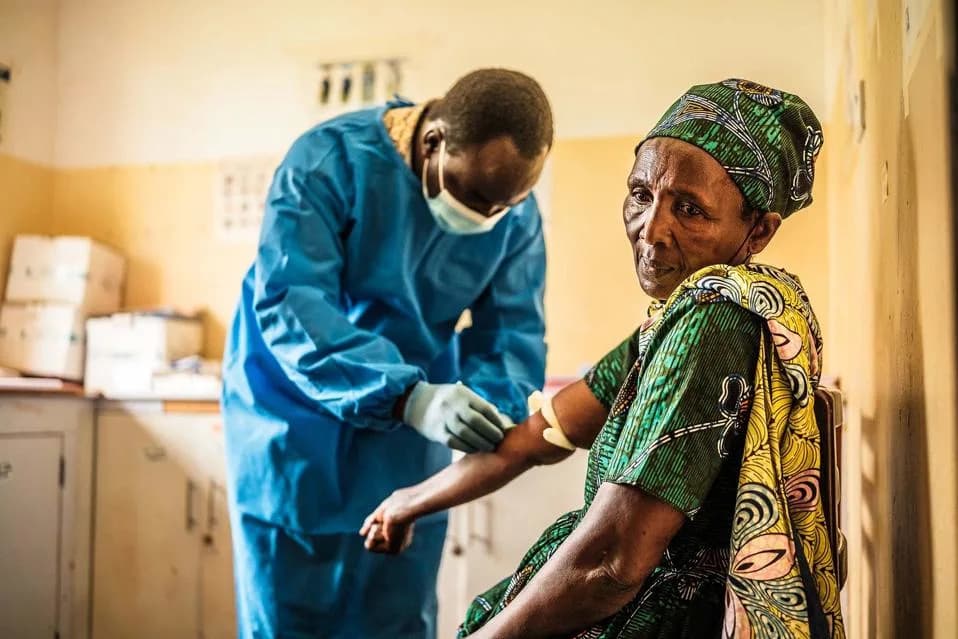
Patricia Watson, co-founder of Jamaica’s EVE for Life, explains how community-led, peer-driven programs fill gaps clinical care misses. EVE for Life combines mentorship, psychosocial support, sexual-violence prevention, and advocacy to address the social drivers—poverty, housing insecurity, stigma—that undermine treatment. Watson warns that antiretroviral therapy and national income brackets do not remove need; she calls for multi-year, unrestricted funding, integrated mental-health services, and adolescent care that does not require parental consent. The organisation’s approach shows how investing in grassroots leaders makes HIV responses more equitable and effective.
How Jamaica’s EVE for Life Shows Community-Led HIV Care Saves Lives

Patricia Watson, co-founder and executive director of EVE for Life, has spent more than two decades advancing community-based HIV/AIDS care, reproductive justice, and advocacy for women and girls in Jamaica and the U.S. South.Courtesy of Patricia Watson / EVE for Life
Patricia Watson, co-founder and executive director of EVE for Life, has spent more than two decades strengthening community-based HIV care, reproductive justice, and advocacy for women and girls in Jamaica and the U.S. South. Her work shows that medical advances alone cannot end the epidemic without sustained investment in the people and grassroots networks that have carried care forward.
From Journalism to Community Leadership
Watson’s path began in journalism. Reporting on health for the Gleaner in 1999, she realised how little she had been taught about HIV. A formative encounter at a hospice and memories of how her father was mistreated in hospital compelled her to act. That conviction produced outreach work, a "Dispelling the Myths" series, training at Panos Caribbean, and—after research revealed that adolescent girls were being left behind—the founding of EVE for Life in 2008 with Joy Crawford.
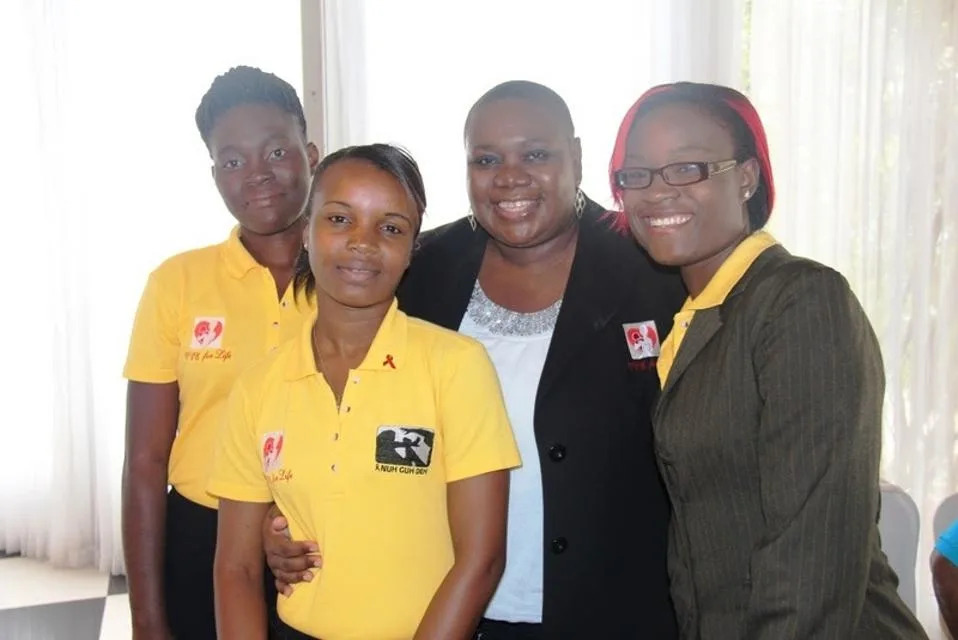
Dr. Patricia Watson (center) with young women involved in EVE for Life's leadership and advocacy initiatives.
Designing Services Around Girls’ Real Needs
EVE for Life built its programs from conversations with adolescent girls and community experts rather than assumptions. These consultations revealed gaps in basic sexual-health knowledge, confusion about antiretroviral treatment, widespread stigma, and high levels of depression and violence. The organisation responds with a holistic model that pairs peer mentorship and psychosocial support with sexual-violence prevention, reproductive-health education, and advocacy.
"Trust is not given to an institution; it is given to a person," Watson says. "A 15-year-old may not tell a nurse about abuse, but she will tell a woman who has lived the same experience."
The Power Of Peer Mentors
Peer mentors are the backbone of EVE for Life. They keep young people linked to care, uncover abuse that intake forms miss, take crisis calls at night, and help clients navigate disclosure and treatment adherence in hostile homes. Mentoring is also transformative for mentors themselves—many have gone on to roles in Jamaica’s Ministry of Health and in health systems abroad, translating lived experience into leadership.
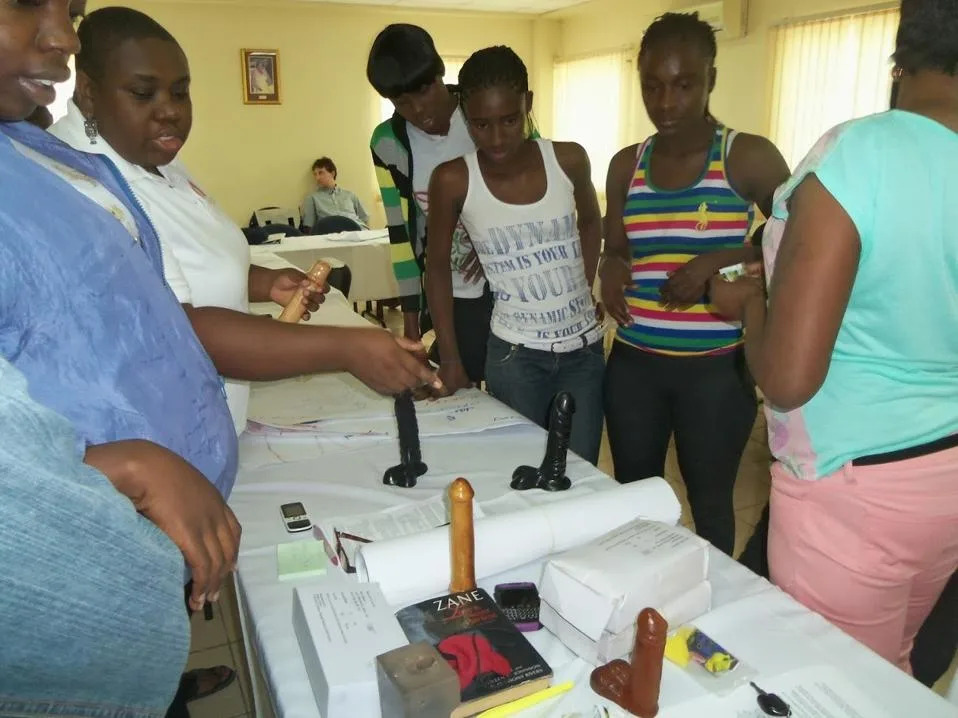
EVE for Life facilitates sexual and reproductive health education for adolescent girls, combining HIV prevention with discussions of consent, healthy relationships, and reproductive rights.
Three Misunderstandings That Hurt The Response
Watson highlights three persistent errors in public-health thinking:
- Treatment Is Not a Finish Line. Antiretroviral therapy changed the disease but not the social conditions that prevent people from accessing or adhering to treatment.
- Income Status Masks Inequality. Upper-middle-income classifications can justify withdrawing targeted support even while deep local disparities persist; national averages often hide vulnerable individuals.
- Community-Led Care Is Not a Luxury. When budgets tighten, peer navigators and psychosocial services are cut first. Without those supports, clinics can be full of medicine but empty of accessible care.
Intersecting Needs Drive Treatment Outcomes
Clients rarely present with a single problem. A teenage girl referred for HIV care may also face sexual violence, food insecurity, homelessness and stigma. Systems that isolate clinical metrics from social realities label missed doses as "non-adherence" while ignoring that taking a pill at home could endanger her. Watson warns that focusing on viral suppression alone can mask ongoing abuse; true success requires addressing safety, housing, income and mental health alongside clinical care.
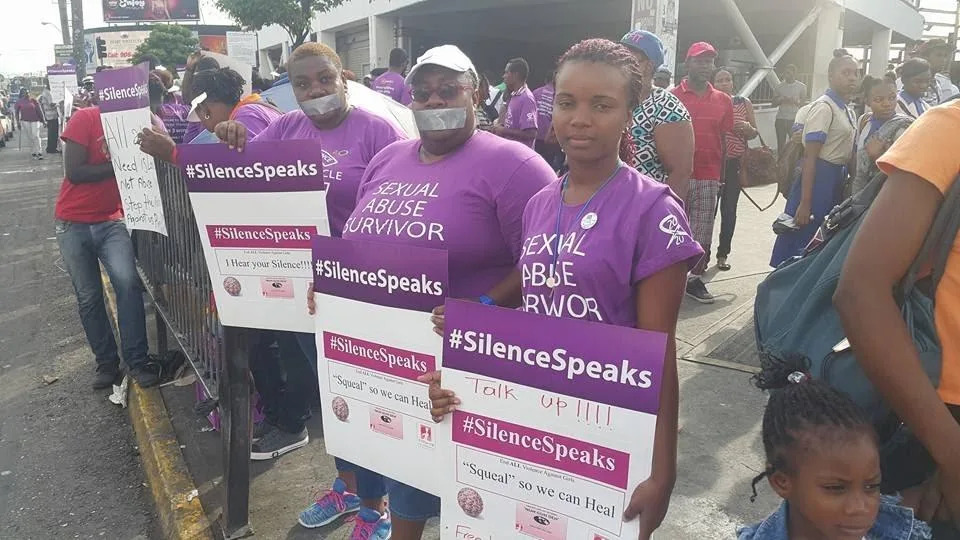
Members of EVE for Life in Kingston participate in the 2015 Silent Protest, a civil society led initiative held November 25 to commemorate the International Day to Eliminate Violence against Women.
What Must Change
Watson calls for practical policy and funding shifts: sustained, unrestricted multi-year funding for community-led organisations; mental-health services integrated into HIV care rather than fragile referrals; affordable access to long-acting prevention methods so health systems can procure them; and adolescent services that don’t require parental consent when that consent would put a child at risk.
Reasons For Hope
Despite challenges, Watson finds hope in a new generation of leaders. Young women in rural parishes now run peer networks and participate in national consultations. Biomedical advances—especially long-acting injectables and implants—offer discreet prevention options that can be lifesaving for people in violent relationships. But these tools must be matched by funding and systems that address the social determinants of health.
Conclusion: EVE for Life’s model makes clear that public health is shaped equally by people and medicine. To make HIV responses equitable and effective, policymakers and funders must invest in the grassroots leaders who have sustained care for decades.
Originally published on Forbes.com. For more on Black women’s leadership in the HIV response, see Patricia Watson’s forthcoming book, Ill Erotics: Black Jamaican Women and Self-Making in Times of HIV/AIDS (University of California Press).
Help us improve.