Former President Bill Clinton warned on X that abrupt cuts or hard deadlines for HIV funding could interrupt treatment and undo decades of progress. He emphasized that cheaper drugs alone are insufficient unless medicines reliably reach patients and transitions to country ownership are carefully planned. The remarks follow industry moves — including FDA approval of Gilead's Bixlenvo and Eli Lilly's global access pledge — and echo broader concerns about declining global health funding raised by figures like Bill Gates.
Bill Clinton Warns Abrupt HIV-Funding Cuts Could Interrupt Treatment: "Cheaper Medicines Mean Nothing If They Never Reach People"
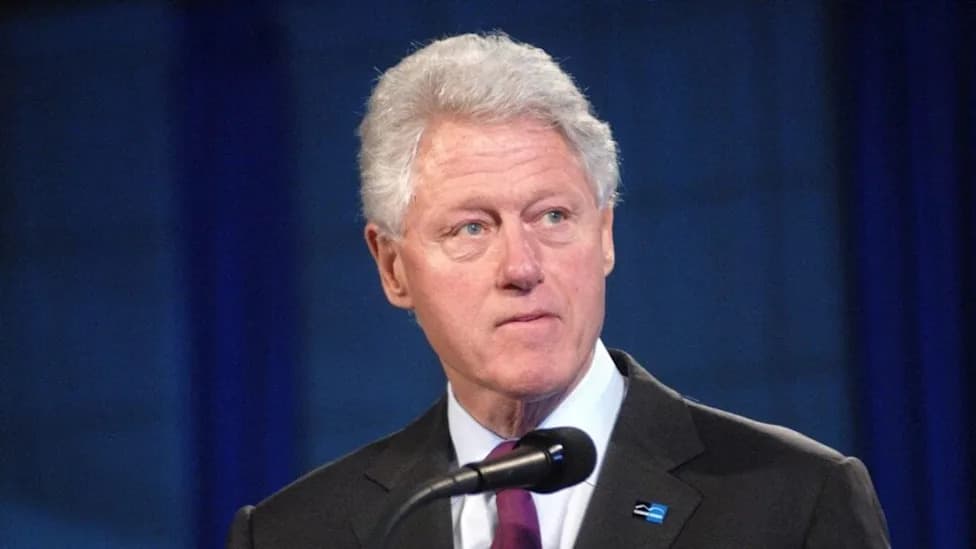
Former President Bill Clinton at an event (Credit: Former President Bill Clinton at an event | Photo courtesy: Shutterstock)
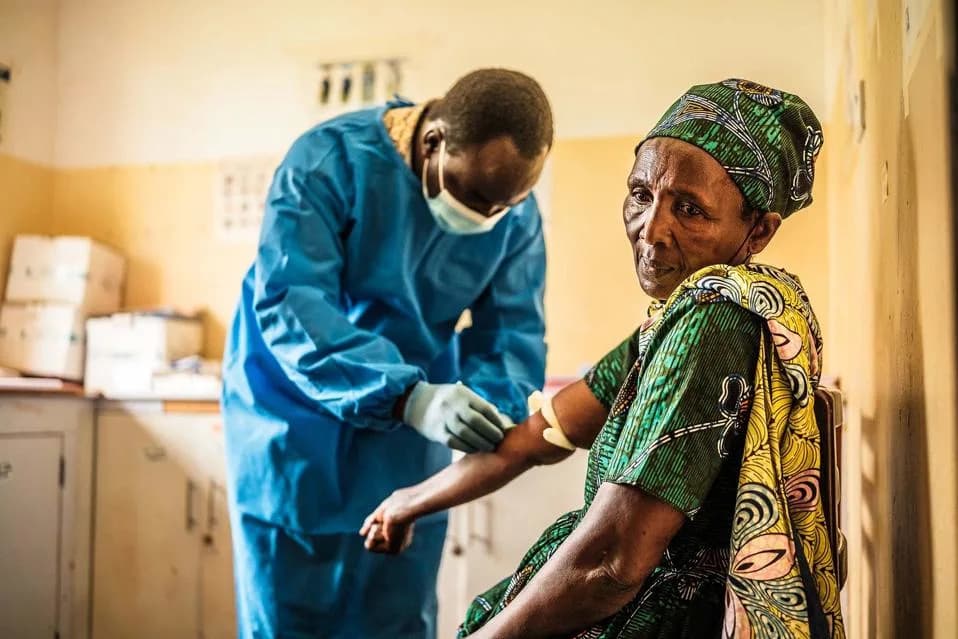
Former President Bill Clinton cautioned that sudden cuts or abrupt changes to HIV funding risk destabilizing prevention and treatment programs unless governments are supported with carefully planned transitions to assume responsibility.
In a post on X on Sept. 29, 2026, Clinton said that decades of global work have focused on lowering HIV drug prices and expanding access to prevention and care — but warned that cost reductions alone are not enough without reliable delivery systems.
“Cheaper medicines mean nothing if they never reach people. A deadline isn't a transition plan. What kind of country are we if we knowingly allow treatment to be interrupted, prevention to stop, and people to be left to die?”
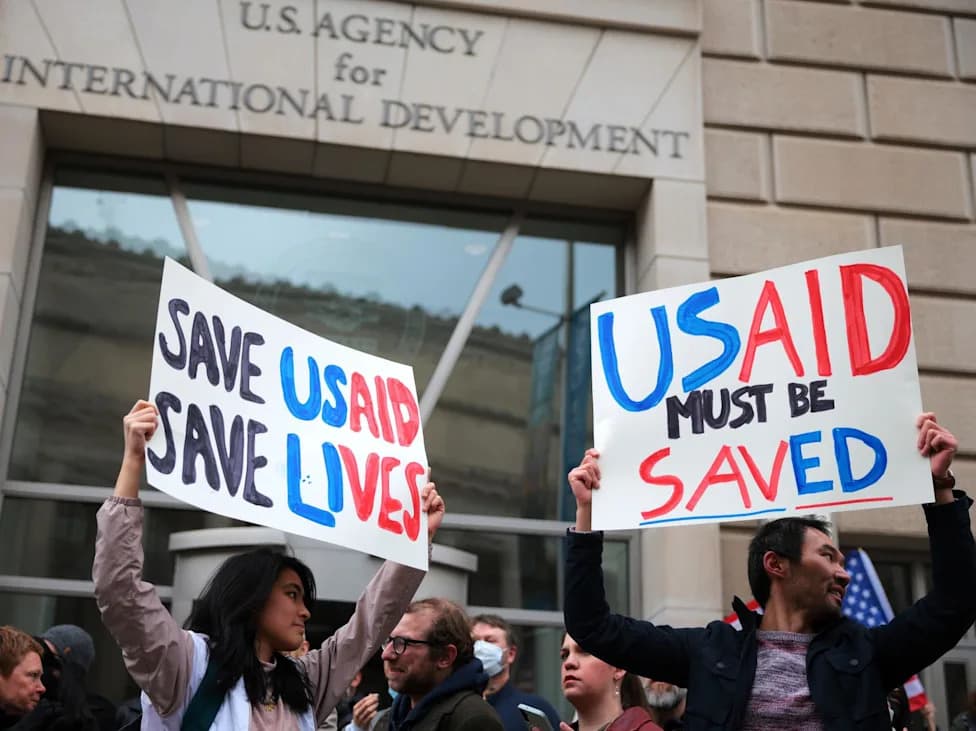
Clinton urged policymakers to avoid reversing years of progress for short-term political gain. "Destroying decades of hard work to score political points carries a cost measured in human lives," he wrote, adding that no perceived short-term victory is worth those consequences.
Recent Developments in Global Health
Clinton's remarks come amid a number of regulatory and corporate moves that expand treatment options and commit resources to global care. Last month, the U.S. Food and Drug Administration approved Gilead Sciences' Bixlenvo, a once-daily single-tablet HIV regimen for adults who have maintained virologic suppression. Approval was based on Phase 3 ARTISTRY-1 and ARTISTRY-2 trials, which showed the regimen maintained viral suppression at 48 weeks, was generally well tolerated, and improved patient treatment satisfaction for some who switched from more complex therapies. ARTISTRY-2 also reported no significant overall impact on patient weight.
Separately, Eli Lilly announced its "Lilly Change the Course Commitment," a global-health initiative to broaden access to diabetes and obesity treatments in low- and middle-income countries by 2040, focusing on clinical development, regulatory registration and strengthening local health systems.
Wider Context And Policy Implications
The debate over funding and transitions also echoes warnings from other global health leaders. Last year, Microsoft co-founder Bill Gates cautioned that falling global health funding could reverse childhood survival gains; modeling cited by Gates estimated 4.8 million deaths among children under five in 2025 versus 4.6 million in 2024 if downward funding trends persist.
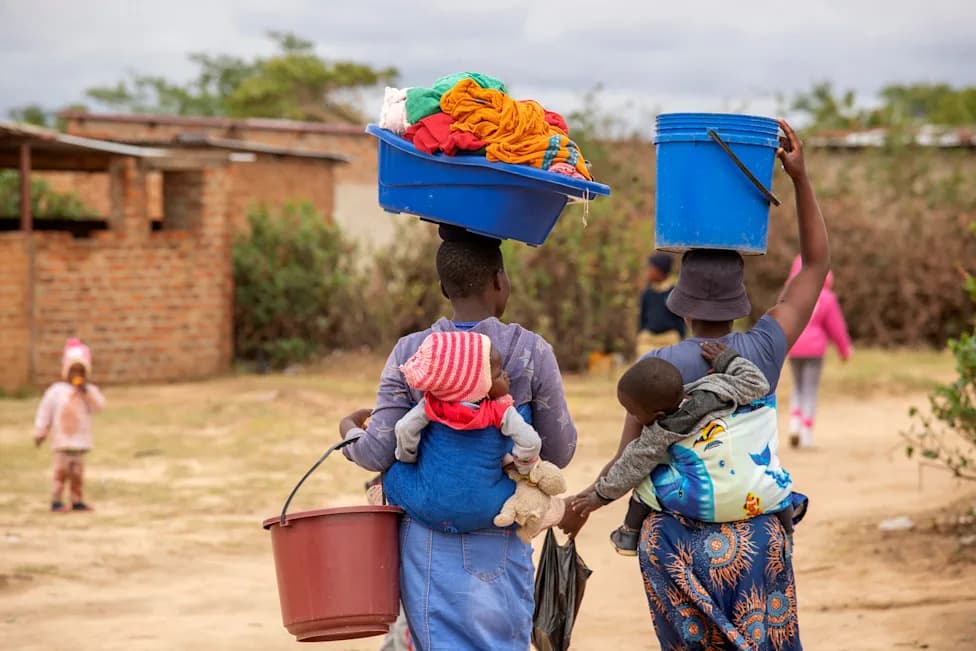
Experts and advocates say that moving toward greater "country ownership" of health programs requires phased, well-resourced transition plans that include investments in supply chains, workforce training, procurement capacity and financing safeguards. Without those elements, lower drug prices and new treatment approvals will not translate into sustained access or uninterrupted care for patients.
Clinton's central message: policies must prioritize continuity of care. Building resilient health systems, securing stable funding streams and protecting programs from abrupt political shifts are essential to ensure that medical advances actually reach the people who need them.
Help us improve.