Over 50,000 people crossed from Morocco into the Spanish enclave of Ceuta over two days; Spanish authorities say 48,300 have been returned and 57 bodies were recovered. Moroccan officials have largely halted new attempts, and EU sources say none of the migrants reached mainland Spain. The event exposed both the human risks of irregular migration and the way dramatic incidents are quickly politicized—particularly by right-wing media and former President Trump in the U.S., who framed the surge as evidence for tougher immigration policies.
Ceuta Crisis: 50,000+ Cross From Morocco — 48,300 Returned, 57 Dead, and How It’s Being Politicized
Getty Images Plus
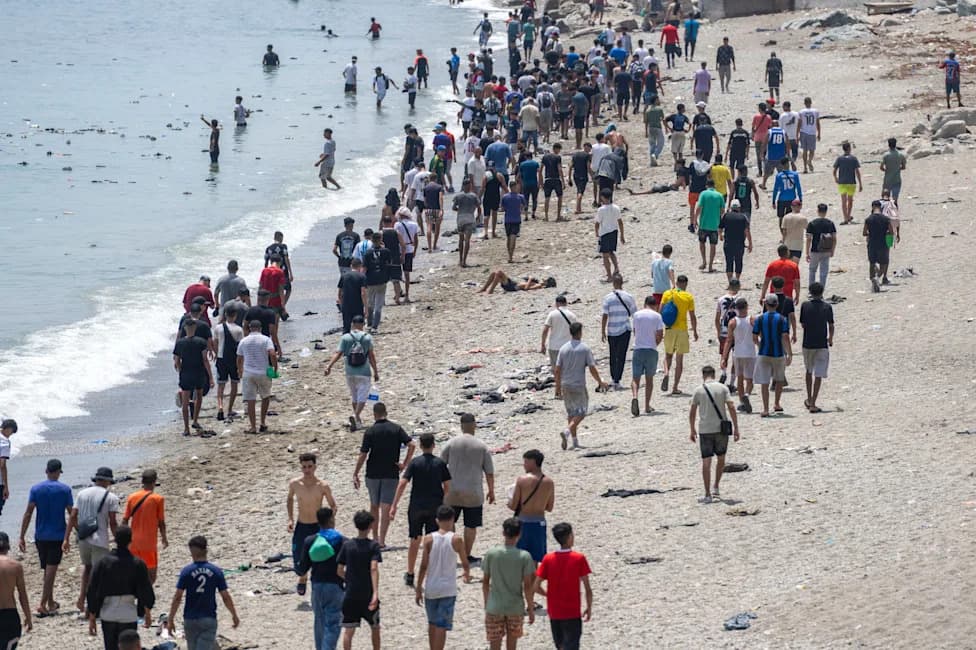
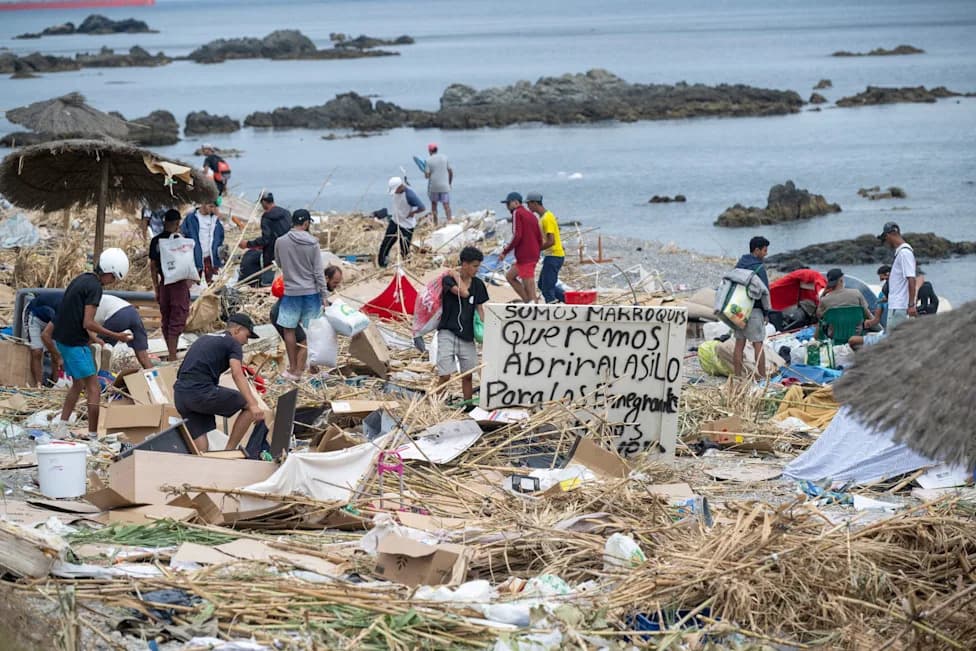
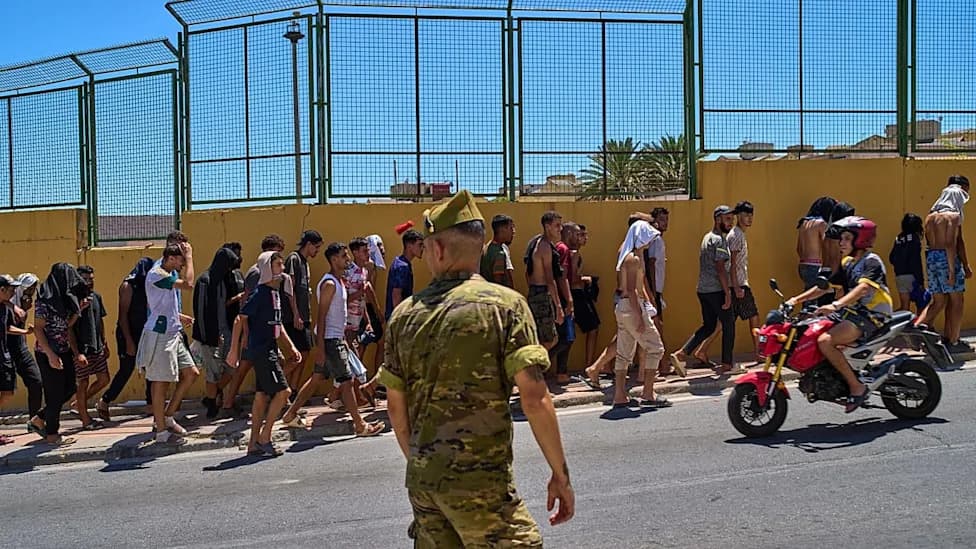
Tens of thousands of people entered the Spanish enclave of Ceuta from Morocco over a two-day period, producing chaotic scenes and tragic loss of life. Spanish authorities say more than 50,000 people crossed into Ceuta beginning Thursday; by Friday afternoon the government reported that 48,300 had been returned to Morocco. Officials recovered 57 bodies on Spain's side of the border and warned that more fatalities might be found on the Moroccan side.
What Happened
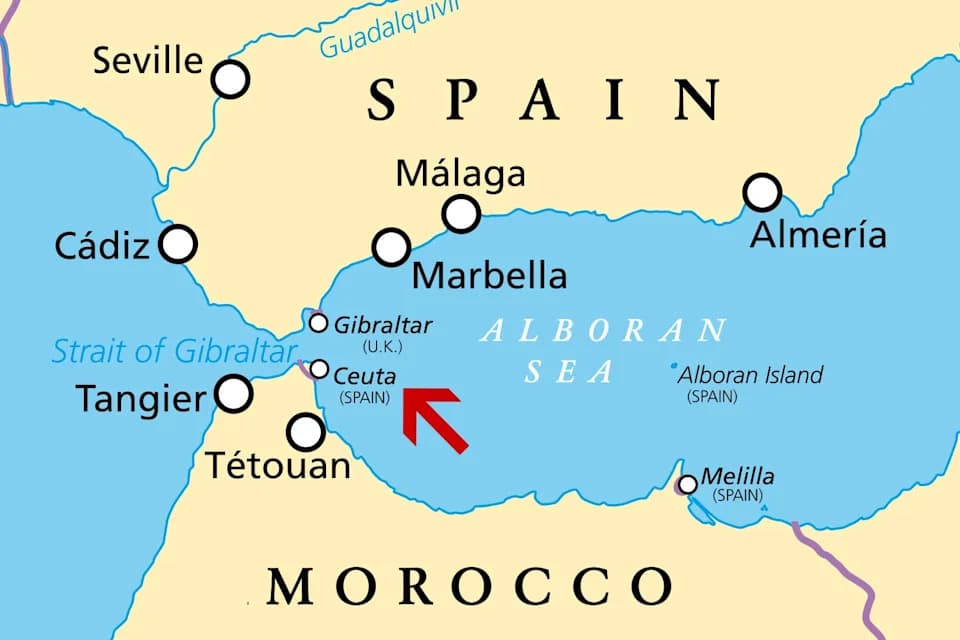
Ceuta is a small Spanish territory on the North African coast surrounded by Morocco. Its unusual geography makes it a flashpoint for irregular migration into European territory. Beginning Thursday morning, migrants breached perimeter fences on land and attempted crossings along the shoreline. The rush was frantic and disorderly, reflecting deep desperation among many of the migrants.
Official Response and Current Status
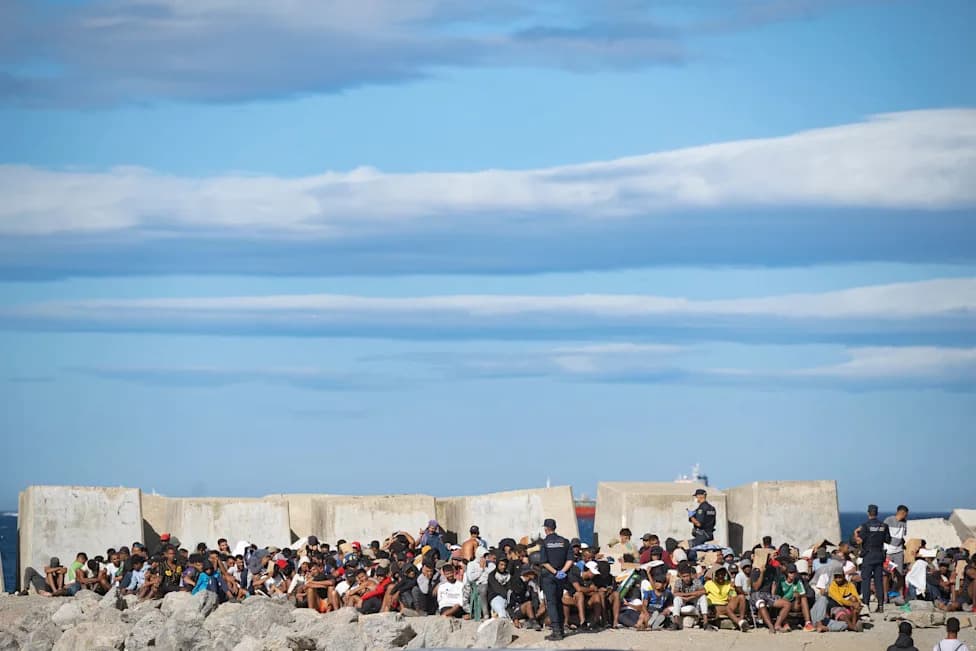
Spanish law enforcement mounted a rapid mass-return operation; by Friday local time the Spanish government reported that roughly 48,300 people had been repatriated to Morocco, with additional returns reported as in progress. Moroccan authorities have largely halted new attempts to reach Ceuta, and a European Union official said that no migrants who crossed into Ceuta had relocated to mainland Spain or other EU countries.
Human Toll
The crossing was deadly for some. Spanish officials reported 57 bodies recovered on Spain's side of the border; authorities cautioned that additional fatalities could be discovered on the Moroccan side. The incident underscores the severe risks migrants face when attempting hazardous sea or fence crossings.

Tolga Akdoğan
Legal And Political Context
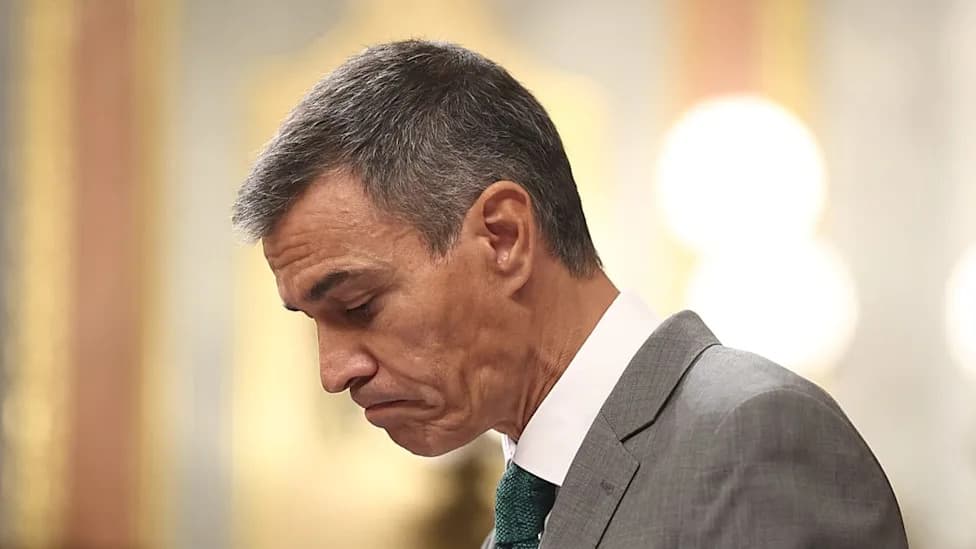
Observers point to recent Spanish policy changes and a Supreme Court ruling as part of the backdrop. Spain's government has pursued measures to regularize some unauthorized migrants by allowing applications for legal status in response to demographic and labor pressures. A Spanish Supreme Court decision has constrained immediate turns back of migrants intercepted at sea, though legal experts told news agencies that the ruling does not prevent eventual expulsions. Spanish Prime Minister Pedro Sánchez suggested that a misinterpretation of that decision may have spread among migrants and smugglers, contributing to the surge.
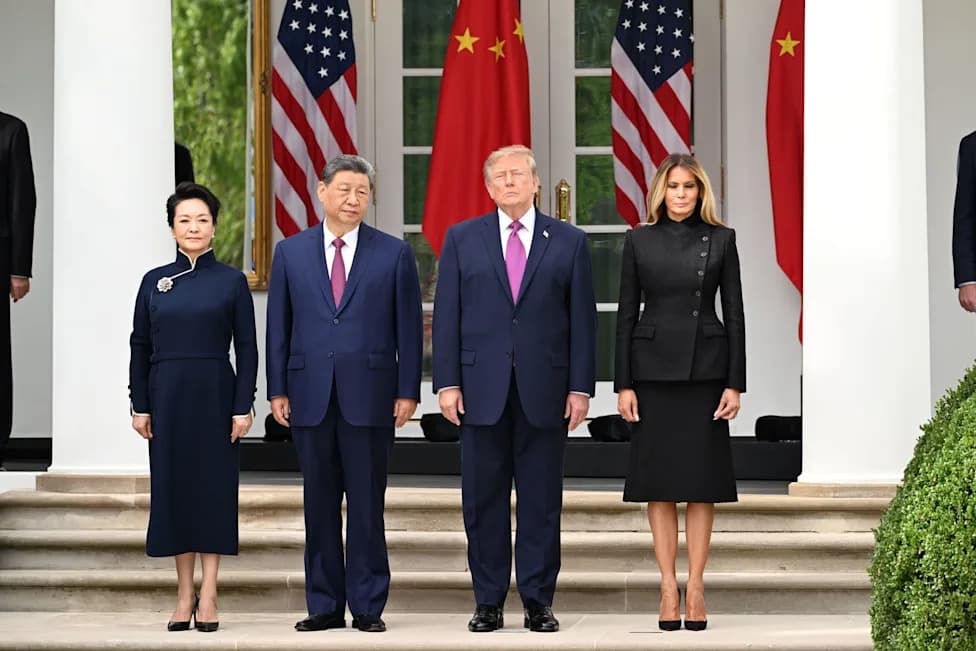
"It looks like an invasion of a country by hundreds of thousands of people ... That's going to be us in three years if the wrong side gets in," former President Donald Trump said, framing the Ceuta events as a warning for U.S. border policy.
How The Story Is Playing In The United States
Conservative U.S. media and political figures quickly seized on the Ceuta episode to argue for tougher immigration controls. The coverage echoes recurring political narratives — including the 2018 focus on "migrant caravans" — that frame large movements of people as a security and sovereignty threat. While the images and scale of the Ceuta influx are dramatic, analysts note the specifics of this tiny, geographically unique enclave make direct parallels to U.S. policy limited.
Why It Matters
The Ceuta crisis highlights two things: the human desperation that drives irregular migration, and how dramatic episodes can be amplified and reframed for political purposes far beyond their immediate context. For European policymakers, the event raises operational and legal questions about border management and cooperation with Morocco. For U.S. audiences, the episode will likely be repeated in election-year messaging even though the local dynamics differ markedly from those at the U.S.–Mexico border.
Sources: Spanish government statements; Reuters reporting; statements from EU and Moroccan officials.
Help us improve.