Prime Minister Pedro Sánchez has rejected allegations that Morocco blackmailed him over the sudden migrant arrivals in Ceuta, calling such reports 'fit for a Netflix drama' and urging reliance on facts. He said there is still no 'solid proof' linking Rabat to the July 30–31 influx and reiterated that Spain would respond if culpability is established. Most migrants returned quickly, but several thousand remain in Ceuta amid rising tensions and protests, and the government is processing asylum claims while protecting unaccompanied children.
Sánchez Dismisses Claims Morocco Blackmailed Him Over Ceuta Migrant Surge

Allegations picked up by the opposition suggest that Spain's Prime Minister Pedro Sanchez is reluctant to confront Morocco over the surge because Rabat may be blackmailing him with information obtained by hacking one of his phones (Thomas COEX)
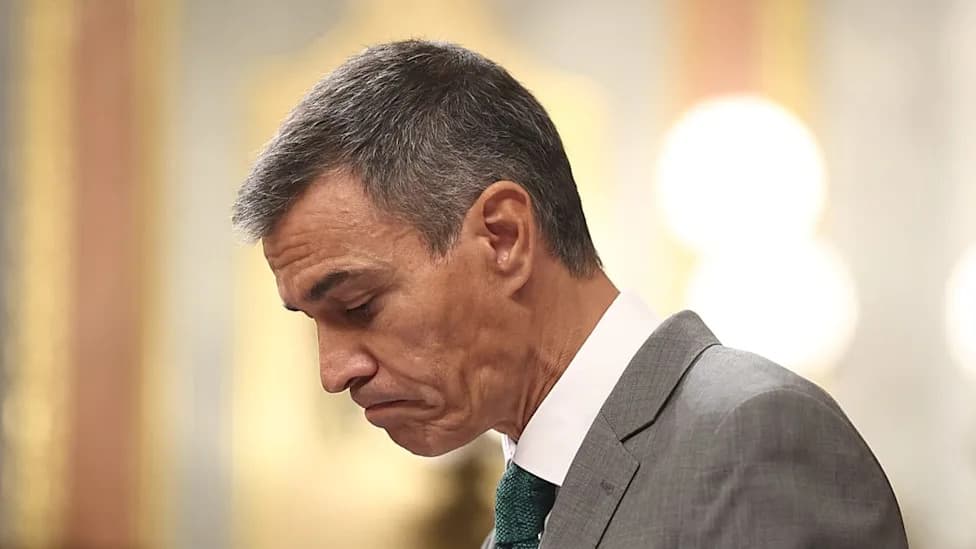
Prime Minister Pedro Sánchez on Monday rejected allegations that Morocco blackmailed him over the sudden arrival of migrants in the Spanish enclave of Ceuta, calling such reports 'fit for a Netflix drama' and insisting that decisions must be based on facts, not speculation.
Background
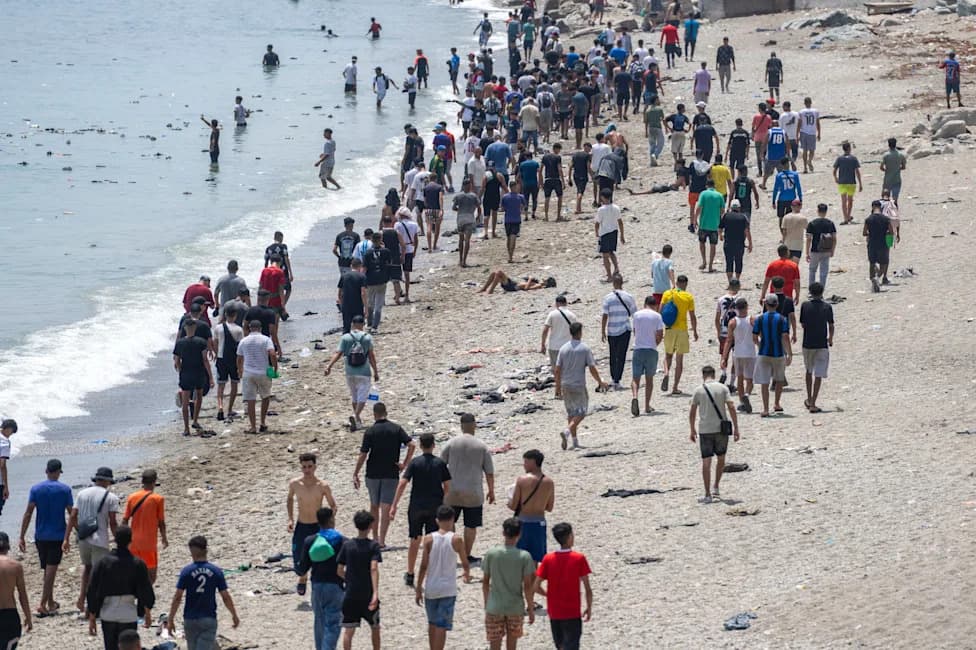
More than 70,000 people crossed from Morocco into Ceuta at the end of July. Sánchez has consistently said he lacks 'solid proof' that Rabat orchestrated the influx on July 30–31 — a position that has been questioned by opposition parties and parts of the public.
Opposition Claims
The right‑wing Popular Party and its leader, Alberto Núñez Feijóo, have alleged that Sánchez is unwilling to confront Morocco because Rabat might possess compromising material obtained by hacking one of his phones. The government has denied any firm evidence linking Morocco to the incident.
'Relations between countries, and particularly with neighbours, must be based on respect and on facts, not on wild speculation or contempt,' Sánchez said on Monday evening.
He added: 'These false reports circulating about the mobile phone or other matters — well, perhaps for a Netflix series they're great, but reality must be built on facts and not on false news.'
Current Situation In Ceuta
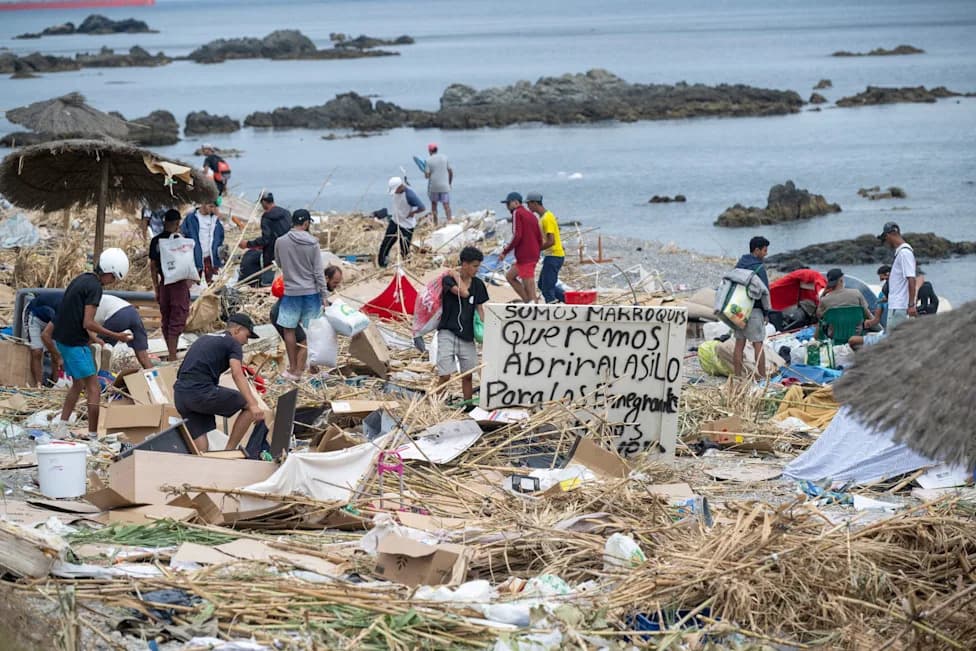
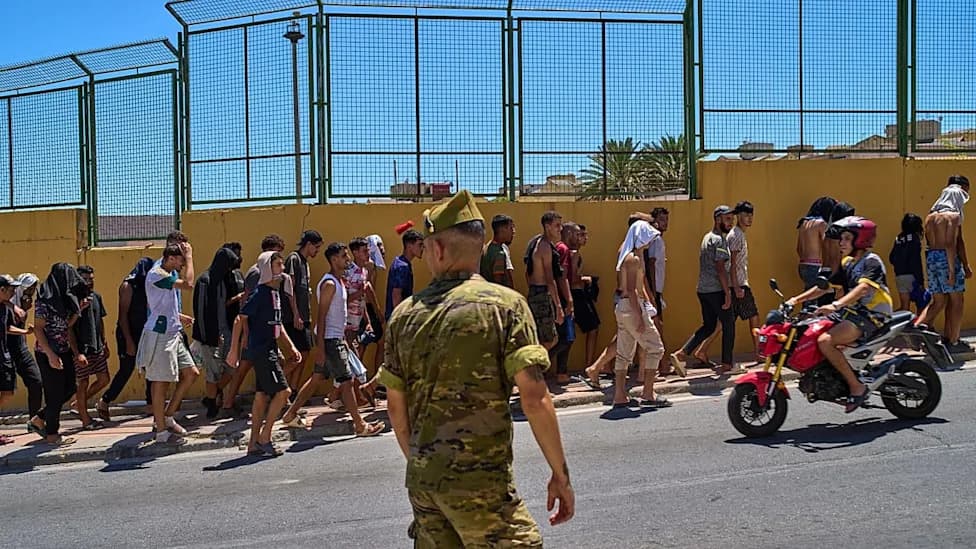
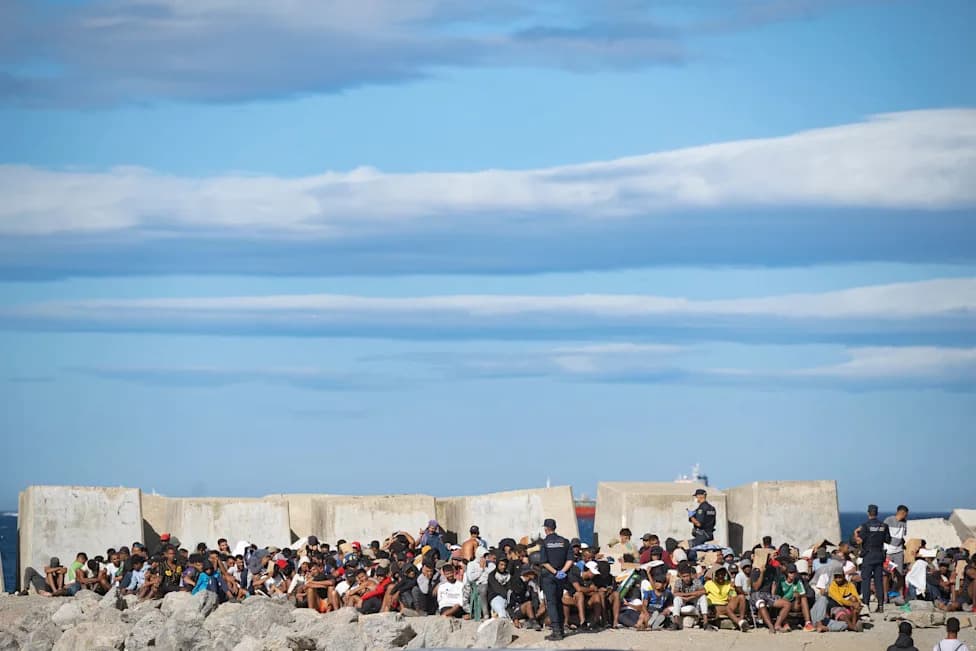
The vast majority of people who crossed on July 30–31 returned to Morocco within hours. However, several thousand remain in Ceuta. The presence of those who stayed has strained local services and sparked episodes of violence and near‑daily demonstrations by local residents.
The Spanish government is working to identify the thousands who remain so it can determine whether they are eligible for asylum. Under Spanish and international rules, unaccompanied children cannot be summarily deported and must be afforded special protections.
Political And Legal Implications
Sánchez reiterated that Spain would respond firmly should evidence emerge proving Moroccan involvement, but reiterated that 'as of today... there is no information that solidly establishes Morocco's responsibility' for the wave on July 31. The episode has intensified political debate at home and raised bilateral tensions with Rabat.
What Happens Next: Authorities will continue processing asylum claims and separating cases involving vulnerable people, including minors. Meanwhile, political opponents are pressing for clearer answers and, if warranted, legal or diplomatic responses.
Help us improve.