Florida has 11 confirmed Vibrio vulnificus infections in 2026, including the state's first death — an 80–84-year-old Palm Beach County resident reported in June. Nonfatal cases have been identified across eight counties as of July 23. The bacterium lives in warm coastal and brackish waters and can cause rapid, severe illness, especially in people with liver disease or weakened immune systems. Officials urge avoiding salt or brackish water with open wounds, using protective gear when handling raw seafood, and seeking immediate care for symptoms.
Florida Reports First 2026 Death From 'Flesh-Eating' Vibrio As Cases Spread Across Eight Counties

Photo Credit: iStock
Florida health officials have confirmed 11 cases of Vibrio vulnificus infection so far in 2026, and the state has recorded its first fatality of the year — a Palm Beach County resident aged about 80–84. Officials have not released details about how the infection was acquired or the exact date of death; the case was first reported to state health authorities in June.
What You Should Know
As of July 23, the 10 nonfatal cases have been identified across eight counties: Miami-Dade, Hillsborough, Lee, Palm Beach, Marion, Okaloosa, Polk and St. Johns. Although infections are uncommon, Vibrio vulnificus is naturally present in warm coastal and brackish waters and can cause severe illness quickly — especially during warm months and after major storms when contaminated water can spread more widely.
Florida recorded 33 Vibrio vulnificus infections in 2025, five of which were fatal, underscoring the organism's potential severity despite its rarity.
How Infection Occurs
There are two primary routes of infection:
- Exposure of an open wound to contaminated seawater or brackish water.
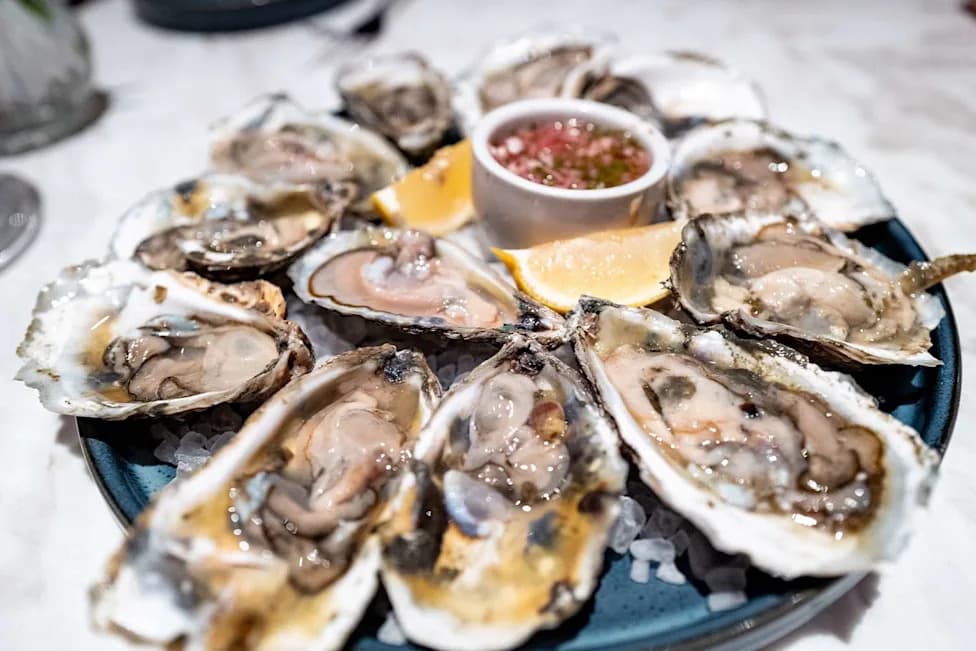
- Eating raw or undercooked shellfish (especially oysters) that contain the bacteria.
Symptoms And Risks
Infections can cause redness, swelling, severe pain, blisters and tissue breakdown — features that have led to the "flesh-eating" label in media reports, although the bacteria do not literally eat flesh. The Centers for Disease Control and Prevention estimates that about one in five people who contract Vibrio vulnificus die, and fatalities can occur within days if the bacteria enter the bloodstream. Bloodstream infection can lead to fever, chills, low blood pressure and septic shock.
Certain medical conditions greatly increase the risk of severe disease. According to the Florida Department of Health (as reported by news outlets), people with underlying conditions — such as liver disease, kidney problems, diabetes, cancer, HIV or other immune-suppressing illnesses — may be roughly 80 times more likely to develop a dangerous bloodstream infection than otherwise healthy individuals.
Prevention & Treatment
- Avoid saltwater and brackish water if you have an open cut, recent tattoo or recent piercing.
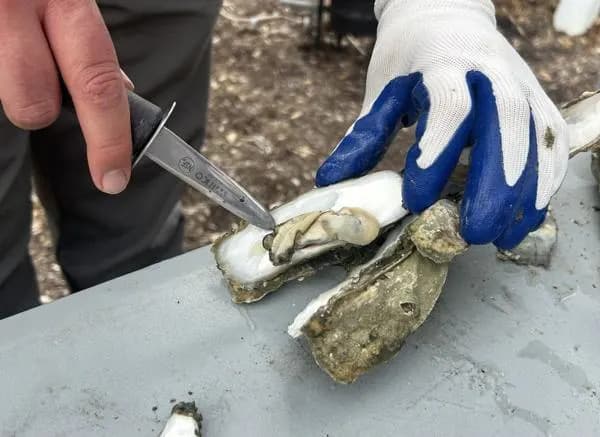
- Wear gloves when handling raw seafood and sturdy footwear to prevent cuts from shells and rocks.
- Cook shellfish thoroughly — do not eat raw oysters if you are at higher risk.
- Seek prompt medical care if symptoms (such as severe pain, redness, swelling, blisters or fever) develop after seawater exposure or after eating raw shellfish.
Treatment typically involves antibiotics; severe infections may require surgical removal of damaged tissue and, in extreme cases, amputation. Early recognition and rapid medical attention improve outcomes.
Note: Reporting on this cluster and the state's first 2026 death comes from local outlets and weather-health coverage, including AccuWeather and The Orlando Sentinel.
Help us improve.