UNESCO’s World Heritage Committee added 25 new sites at its Busan meeting, including Brazil’s Amazonia Theaters — two historic theatre complexes in Belém and Manaus dating from the 1879–1912 rubber boom. The session also inscribed the Okefenokee National Wildlife Refuge (Georgia/Florida) and France’s Normandy D-Day Landing Beaches. The list now totals 1,273 properties across 173 countries, highlighting both cultural treasures and critical natural habitats.
UNESCO Inscribes Brazil’s Amazonia Theaters on World Heritage List
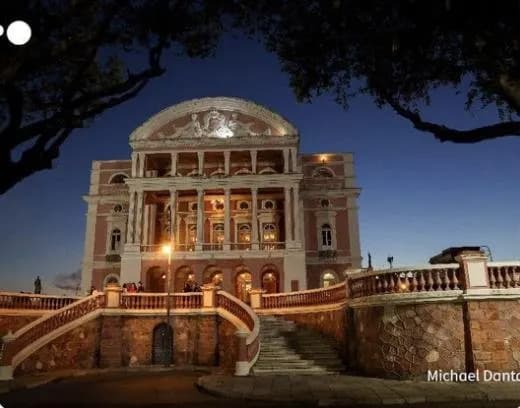
Brazil's Amazonia Theaters join UNESCO World Heritage list
UNESCO's World Heritage Committee this week approved 25 new inscriptions during its annual session in Busan, South Korea — a decision that highlights both cultural treasures and critical natural habitats around the globe. Among the additions, Brazil’s Amazonia Theaters stand out as Latin America’s only new inscription in this round.
Brazil’s Historic Theatres
The new Brazilian inscription groups two historic theatre complexes built during the Amazon rubber boom (1879–1912): Theatro da Paz and Praça da República in Belém, and Teatro Amazonas and Largo de São Sebastião in Manaus. UNESCO says these landmarks reflect the region’s economic prosperity at the time and combine European architectural styles with decorative motifs inspired by the Amazon rainforest.
Local reaction noted the designation as recognition of the region’s "Golden Age," praising the theatres as cultural jewels and tangible reminders of the Amazon’s historical global ties.
Other Notable Inscriptions
The committee inscribed 19 cultural sites, five natural sites and one mixed site, bringing the World Heritage List to 1,273 properties across 173 countries. The Americas gained a second new entry this session: the Okefenokee National Wildlife Refuge, spanning southeastern Georgia and northeastern Florida. UNESCO recognised the refuge for protecting the Okefenokee Swamp — the world’s largest subtropical lowland freshwater peatland — noting its extensive peat deposits, role in carbon storage and exceptional biodiversity (more than 850 plant species and important populations of American alligators).
Europe’s Normandy D-Day Landing Beaches — the site of the June 6, 1944 Allied landings — were also added, along with several high-profile sites in Asia and the Middle East, including the Ancient Buddhist Site of Sarnath (India), the Ancient Capitals of Asuka and Fujiwara (Japan), the Jingdezhen porcelain industry sites (China), Sebastia (State of Palestine) and Tashkent Modernist Architecture (Uzbekistan).
Regional Context
With this inscription Brazil now has 26 World Heritage properties, joining famous national entries such as Iguaçu National Park, Brasília, the Historic Centre of Salvador de Bahia, Rio de Janeiro’s Carioca Landscapes, the Pantanal Conservation Area and Lençóis Maranhenses National Park. Mexico remains the regional leader with 36 UNESCO sites, including Chichén Itzá, Teotihuacán and the Historic Centre of Mexico City.
Why It Matters: UNESCO’s World Heritage List recognises cultural and natural sites of outstanding universal value and promotes their long-term protection through international cooperation. The new inscriptions underscore the diversity of global heritage — from ornate 19th-century theatres in the Amazon to peatland ecosystems and pivotal historic battlefields.
Help us improve.