The Inter-American Court of Human Rights completed a landmark two-day hearing in Montevideo on whether Peru failed to protect isolated Indigenous peoples in the Amazon from logging and other incursions. The petition concerns the Mashco Piro, Yora and Amahuaca, whose advocates say outside activity has increased the risk of violence and deadly disease. Indigenous groups want stronger territorial protections; Peru says legal safeguards exist. Final briefs are due Oct. 26 before the court issues a ruling.
Historic Court Hearing Accuses Peru Of Failing To Protect Isolated Amazon Tribes
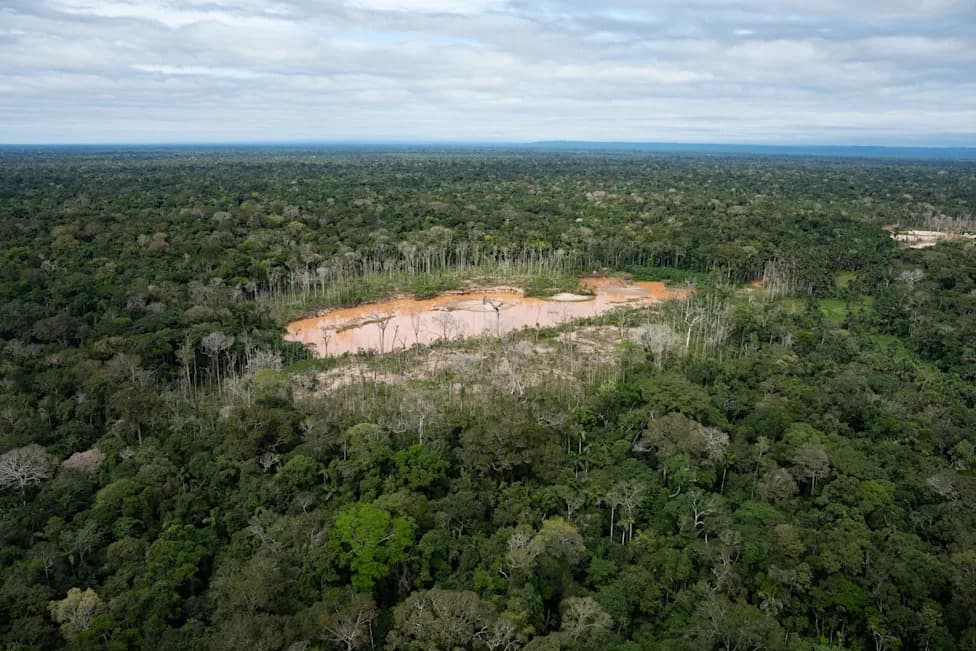
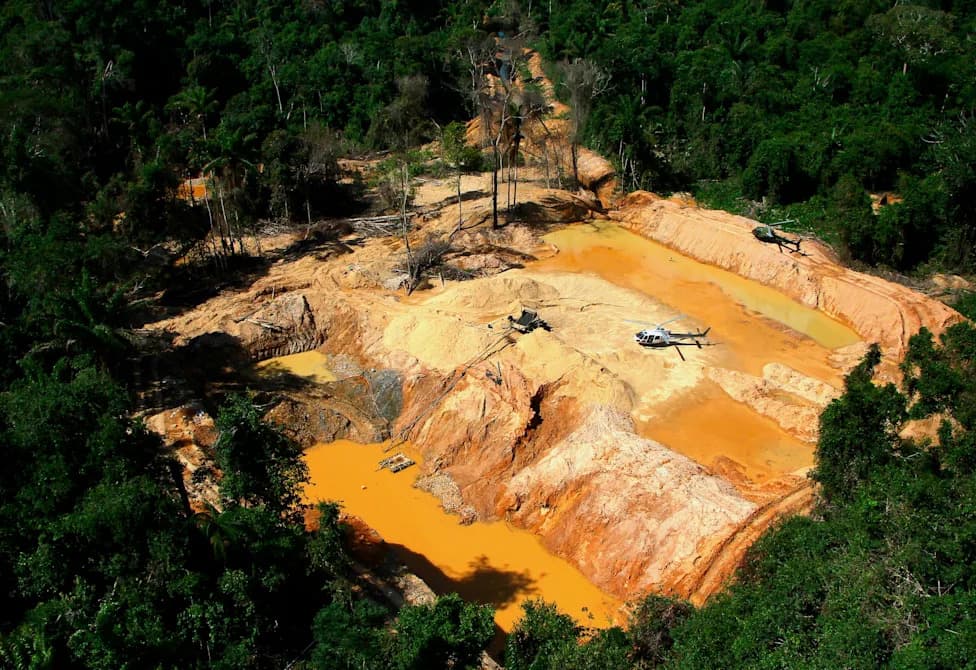
FILE - Deforestation from illegal mining is visible in the Tambopata National Reserve in Puerto Maldonado, Peru, Aug. 11, 2026. (AP Photo/Guadalupe Pardo, File)
Peru faced the final day of a landmark, two-day hearing before the Inter-American Court of Human Rights in Montevideo, Uruguay, over allegations it failed to protect Indigenous peoples living in isolation in the Amazon from logging and other incursions into their territory.
The petition concerns the Mashco Piro, Yora and Amahuaca communities, who inhabit remote areas of the Peruvian Amazon. Indigenous organizations and advocates argue that logging concessions and other outside activities have pushed outsiders deeper into forests used by these groups, increasing the risk of violent encounters and exposing isolated peoples to diseases for which they may have little or no immunity.
"Many of our brothers and sisters have already disappeared, and we don't want the Mashco Piro to suffer the same fate," said Maglin Alvarado Vargas, a leader of the Yine people from the Native Community of Monte Salvado. "It is in your hands whether they can survive."
Peru says it has adopted laws, protocols, monitoring systems and other measures intended to protect isolated Indigenous communities, and that those frameworks guide its policy. The Peruvian government did not immediately respond to requests for comment during the hearing.
But Indigenous leaders and lawyers maintain those protections remain largely on paper. Julio Cusurichi of the Native Federation of the Madre de Dios River and Tributaries (FENAMAD) told the court the state is not taking adequate action to safeguard these peoples and warned that continued incursions could imperil their survival.
Legal History And Stakes
FENAMAD raised concerns about logging in Mashco Piro territory in the 1990s and requested emergency protection from the Inter-American Commission on Human Rights in 2005; the commission issued protective measures in 2007. FENAMAD filed a formal petition with the commission in 2011. In 2022 the commission concluded Peru was responsible for violations affecting the Mashco Piro, Yora and Amahuaca, and the case was referred to the Inter-American Court in 2024 after Peru was judged not to have complied with the commission's recommendations.
Lawyers for the Indigenous groups argue the case could establish an important precedent on ancestral land rights for peoples living in isolation and clarify whether governments can authorize extractive activities in those territories. Maritza Quispe of Peru's Legal Defense Institute, representing Indigenous interests, noted that Peruvian law generally prohibits outside activity in reserves for isolated peoples but contains an exception permitting natural resource exploitation when authorities determine a "public necessity." Advocates contend that exception has been applied too broadly.
"The government has flagrantly violated principles meant to protect isolated peoples, including the imperative to avoid forced contact and to keep their territories free from external activity," one Indigenous lawyer told the court.
Human And Health Risks
Indigenous organizations estimate the Mashco Piro number more than 750 people and live in southeastern Peru and across the border in Brazil. Encounters with outsiders have at times turned deadly: in 2024 two loggers were killed in bow-and-arrow attacks after entering Mashco Piro territory, and subsequent sightings have placed members of the group near active logging zones.
Contact also poses a potentially deadly health risk. Peoples who have lived in isolation typically lack immunity to common illnesses brought by outsiders; even a cold or seasonal flu can be fatal for communities with little prior exposure to such pathogens.
Next Steps
The parties have until Oct. 26 to submit final written arguments. The court will then deliberate and issue a judgment; no date has been set for a ruling.
Reporting Note: This coverage is based on reporting from the Associated Press.
Help us improve.