Brazil denied visas to two senior U.S. State Department officials after President Lula said the delegation intended to meddle in October’s presidential election. The trip — which the U.S. described as focused on freedom of expression, religious freedom and election integrity — was also due to include a meeting with candidate Flávio Bolsonaro. Claims that Brazil’s electronic voting machines can be rigged have been rejected by the Superior Electoral Court and independent experts; the system uses fingerprint verification, printed tallies and independent audits.
Brazil Denies Visas to Two U.S. Officials, Citing Fears of Election Interference
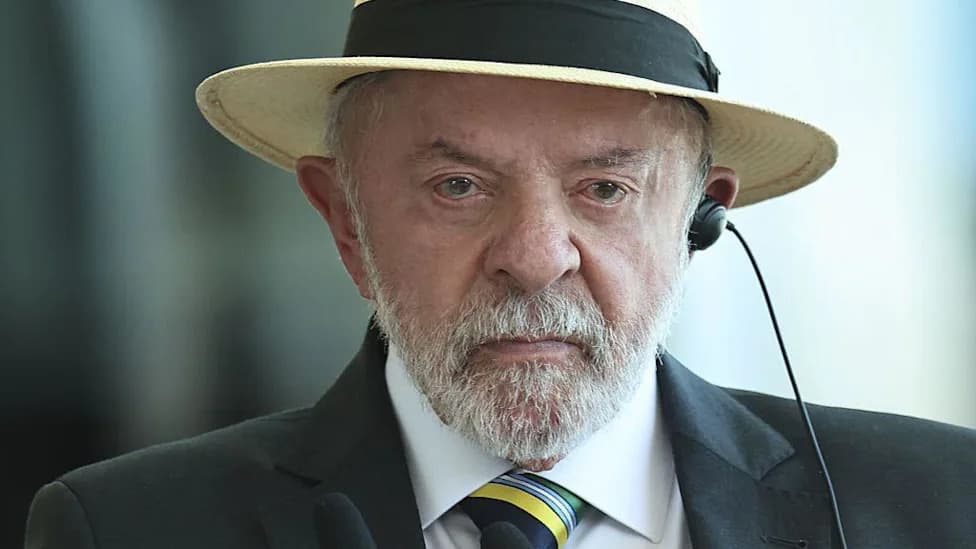
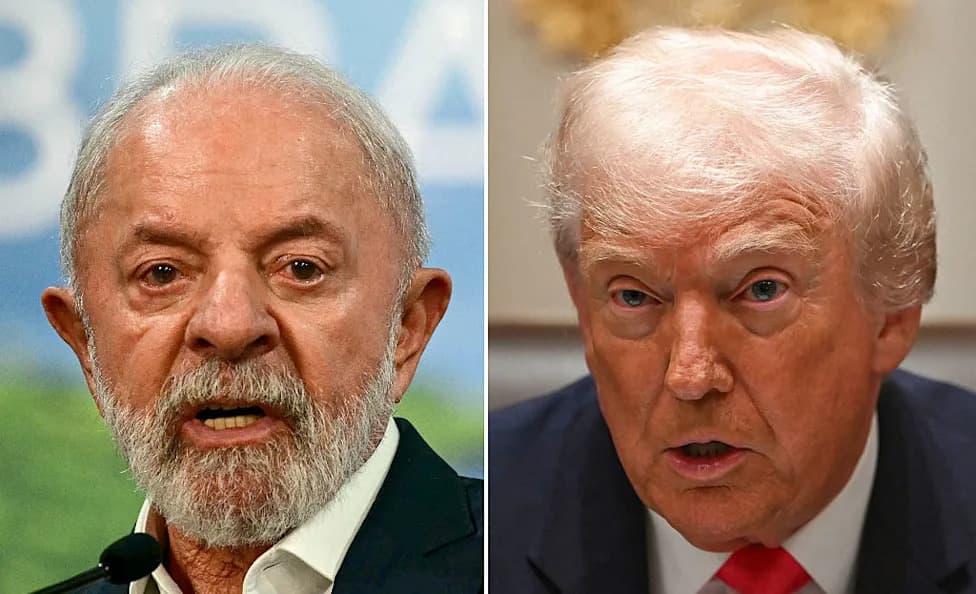
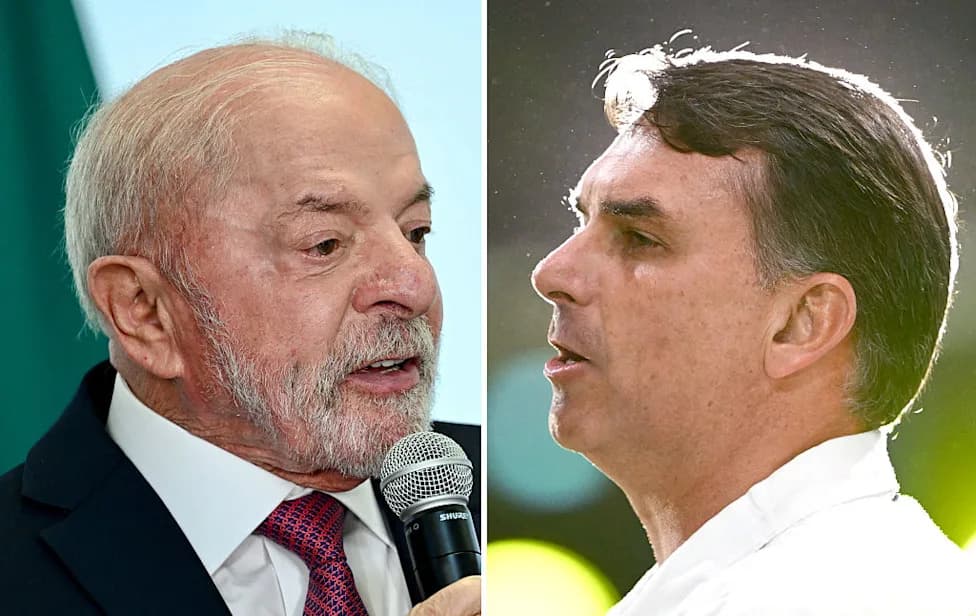
Brazil President Luiz Inácio Lula da Silva has accused the officials of trying to interfere in October's election [Getty Images]
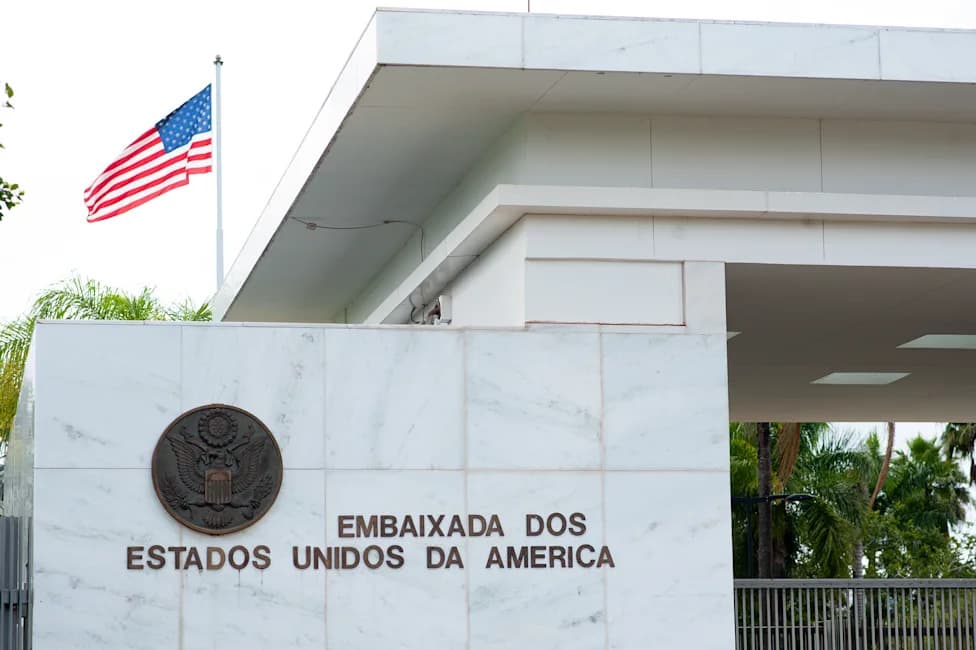
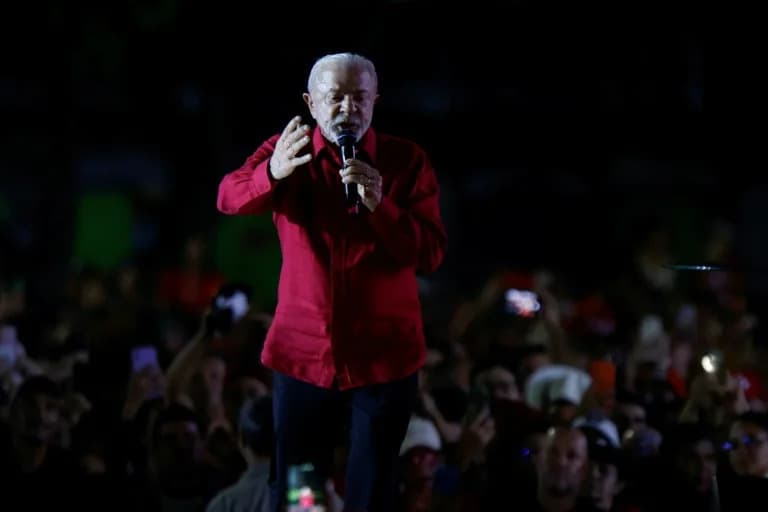
Brazilian President Luiz Inácio Lula da Silva has confirmed his government refused visas to two U.S. State Department officials who planned a late‑July visit, saying the delegation intended to interfere in the country’s presidential election in October.
"We had to deny visas to two young folks they were sending to Brazil to meddle in Brazil's elections," Lula said on Wednesday, framing the move as a defense of Brazil’s electoral sovereignty.
Who Was Blocked and Why
The two senior diplomats were identified as Riley M. Barnes, Assistant Secretary of State for Democracy, Human Rights, and Labor, and Samuel Samson, a Deputy Assistant Secretary in the same bureau. The U.S. State Department said the trip was to discuss freedom of expression, religious freedom and election integrity; the department has dismissed suggestions that its delegation sought to undermine Brazil’s vote as a "baseless lie."
Diplomatic Context
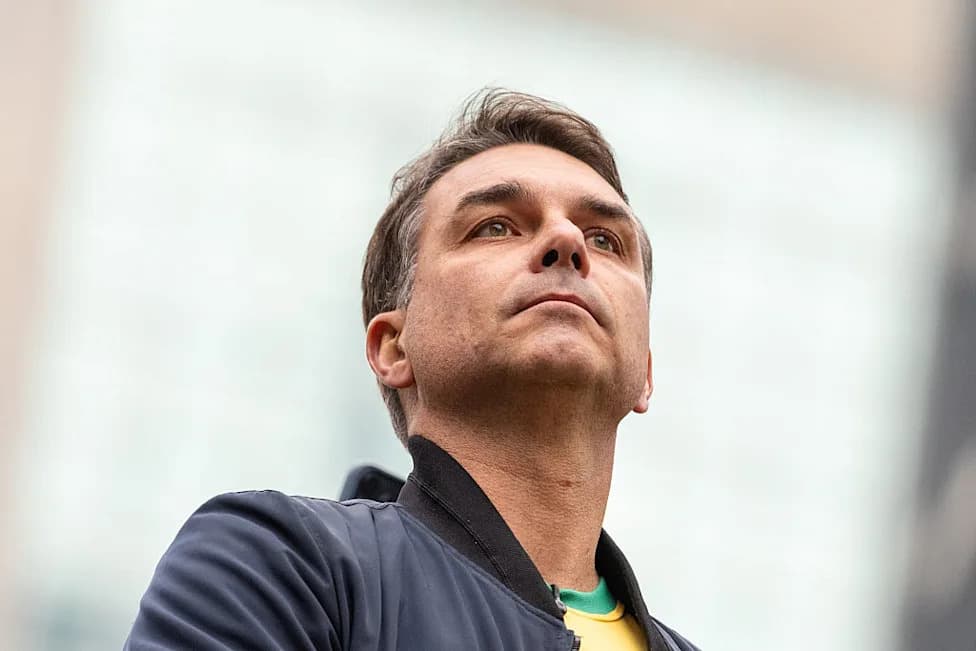
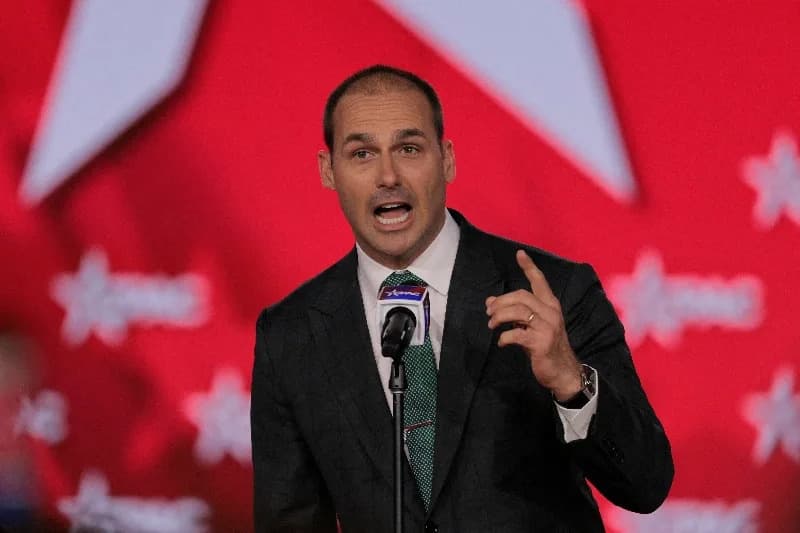
The officials were also expected to meet with right‑wing candidate Flávio Bolsonaro. Brazilian authorities said they blocked the visas after concerns that the delegation could fuel unwarranted doubts about the integrity of Brazil’s voting system.
Election Background
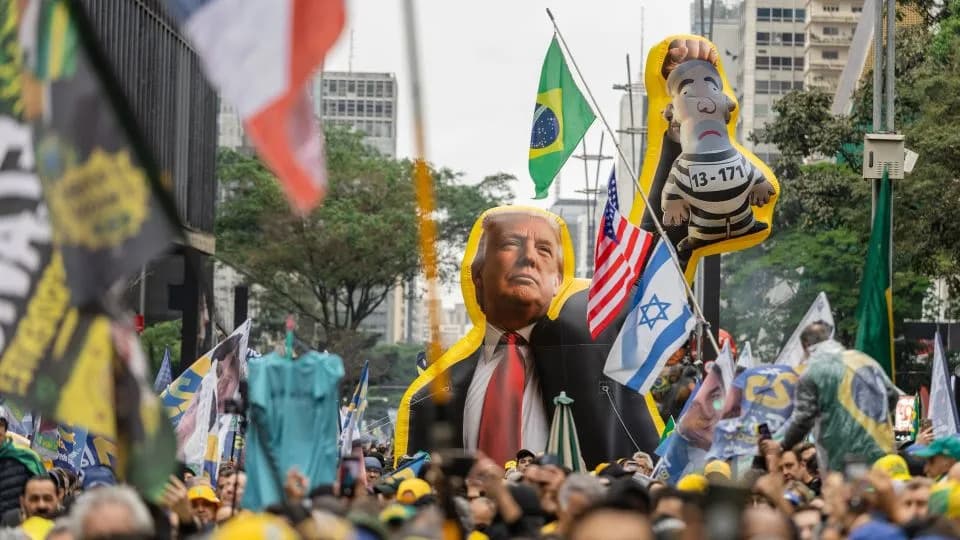
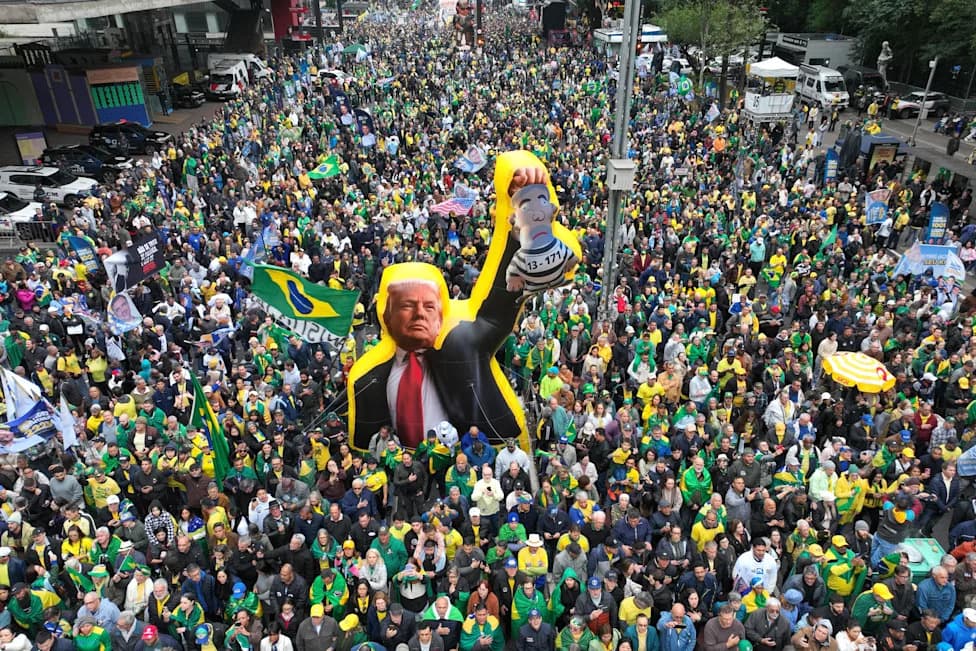
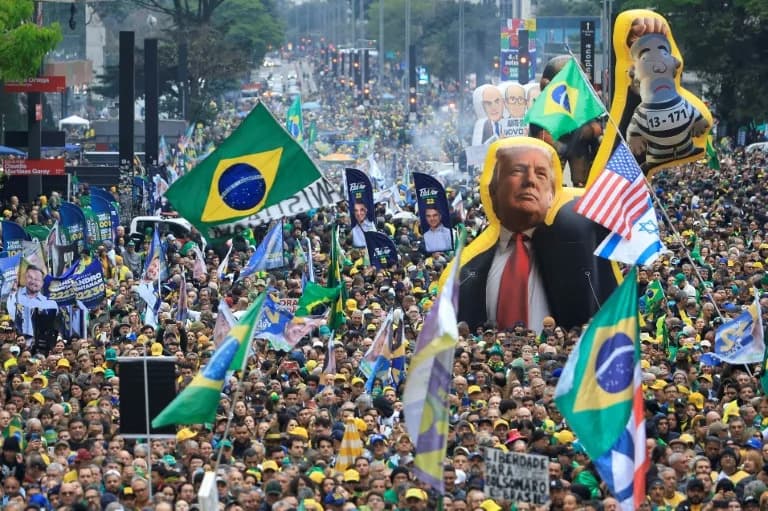
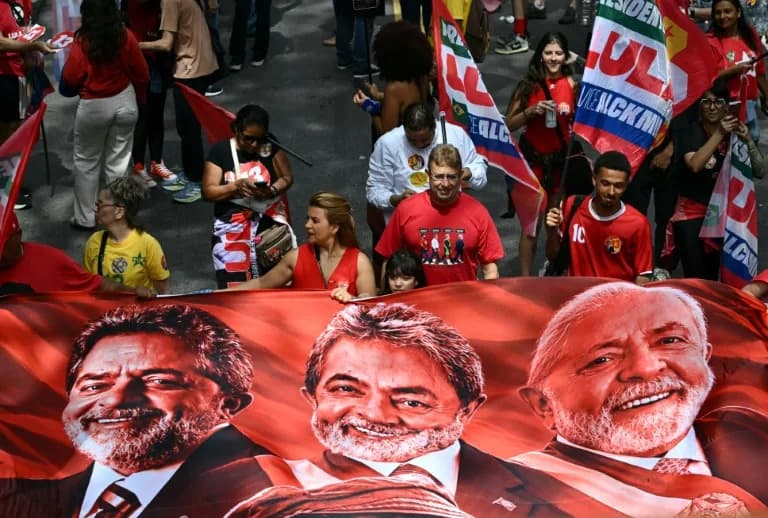
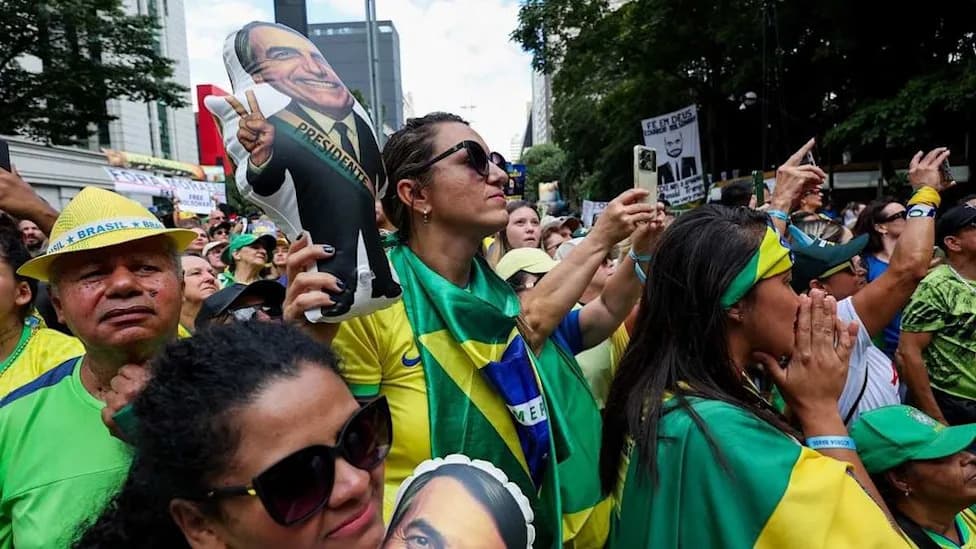
The October contest will pit incumbent President Lula da Silva, 80, against Flávio Bolsonaro, the son of former President Jair Bolsonaro. Jair Bolsonaro was convicted and given a 27‑year prison sentence for plotting a coup after losing the 2022 election; he had already been barred from running for office after repeatedly promoting unfounded claims that Brazil’s electronic voting machines could be rigged.
After the 2022 defeat, supporters of Jair Bolsonaro stormed Congress, the Supreme Court and the Presidential Palace on 8 January 2023 — an event widely compared to the 6 January attacks in the United States.
Brazil’s Electronic Voting System
Claims by Flávio Bolsonaro that Brazil’s machines share origins with Venezuelan systems and could be manipulated have been rejected by Brazil’s Superior Electoral Court and by independent experts. Brazil has used electronic voting since 1996 with no documented systemic fraud.
- Machines verify voter identity with fingerprints to prevent double voting and impersonation.
- Each machine prints a paper record of its tally and displays the result for public comparison with the official count.
- Results are subject to independent audits, and security experts are invited to test machines before elections.
Implications
The visa refusal underscores heightened tensions between Brasília and Washington ahead of a high‑stakes election in a country where doubts about electoral integrity have produced political violence. The incident could strain diplomatic relations while domestic debates over election security continue to shape Brazil’s political landscape.
What Remains Clear: Brazil’s electoral authorities maintain the system is secure and transparent; the government acted to block a delegation it said might undermine public confidence in the vote.
Help us improve.