River otters at Abbotts Lagoon in Point Reyes National Seashore were documented ambushing and drowning brown pelicans, with researchers recording 73 pelican deaths during a single season. Video evidence from 2023 and an earlier 2018 sighting prompted monitoring from June–November 2023; most victims appeared to be juveniles and the findings were published in April 2025. The attacks are considered rare and are not believed to threaten the overall pelican population, though surviving pelicans now often avoid the lagoon.
River Otters Ambush and Drown Brown Pelicans at Point Reyes Lagoon — 73 Birds Found in One Season
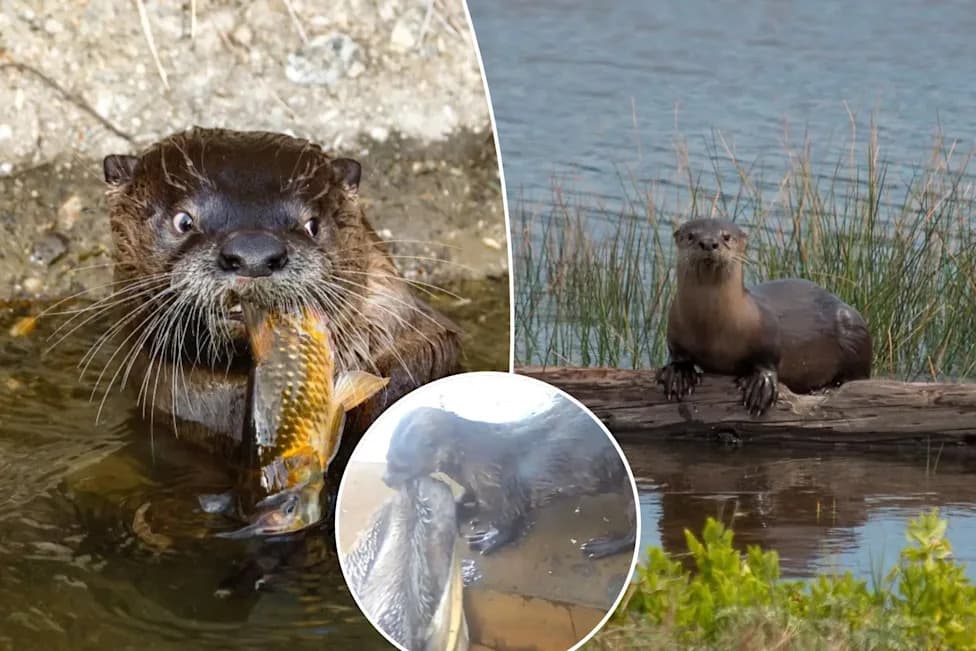
An image collage containing 3 images, Image 1 shows River otter in water holding a fish in its mouth, Image 2 shows A river otter sitting on a log at the edge of a body of water with tall reeds, Image 3 shows An otter eating a fish
At Abbotts Lagoon in Point Reyes National Seashore, river otters have been observed ambushing brown pelicans, dragging the large birds beneath the surface, drowning them and then feeding on the carcasses. Researchers documented 73 dead pelicans during a single season, while flocks of up to 300 birds were sometimes seen resting together.
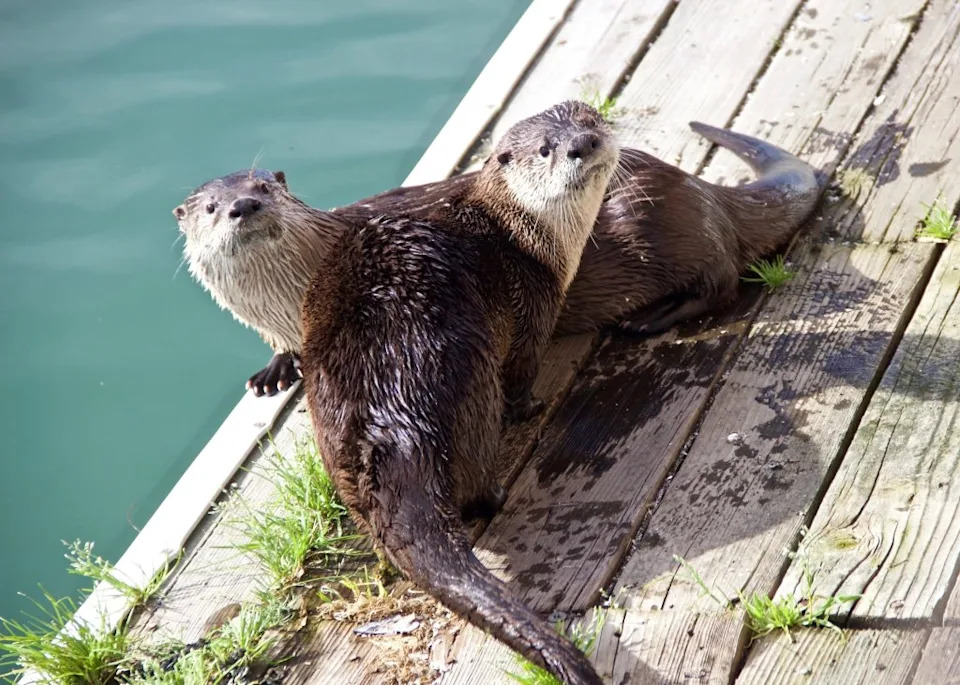
River otters have been ambusing brown pelicans at a picturesque Northern California lagoon River Otter Ecology Project
Investigations and Evidence
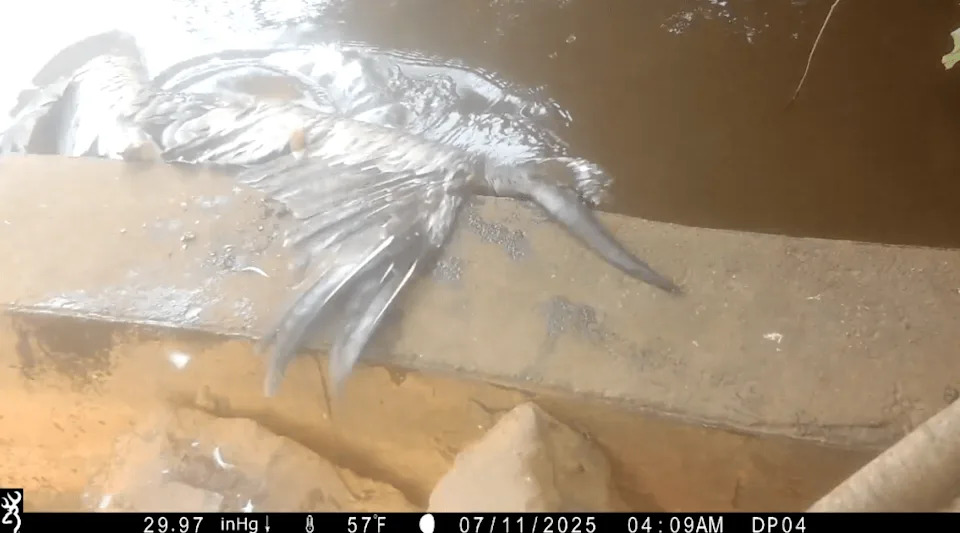
The predation was brought into focus after wildlife photographer Daniel Dietrich released video footage from 2023 showing otters taking down two pelicans. Wildlife researcher Megan Isadore of the River Otter Ecology Project reported a similar lethal encounter she witnessed in 2018. In response to growing numbers of carcasses, Isadore and co-founder Terence Carroll monitored the lagoon from June through November 2023, marking each carcass with biodegradable tags to prevent double-counting and measuring birds to estimate age. Most victims appeared to be juveniles. The team's findings were published in April 2025 in the IUCN/SSC Otter Specialist Group Bulletin.
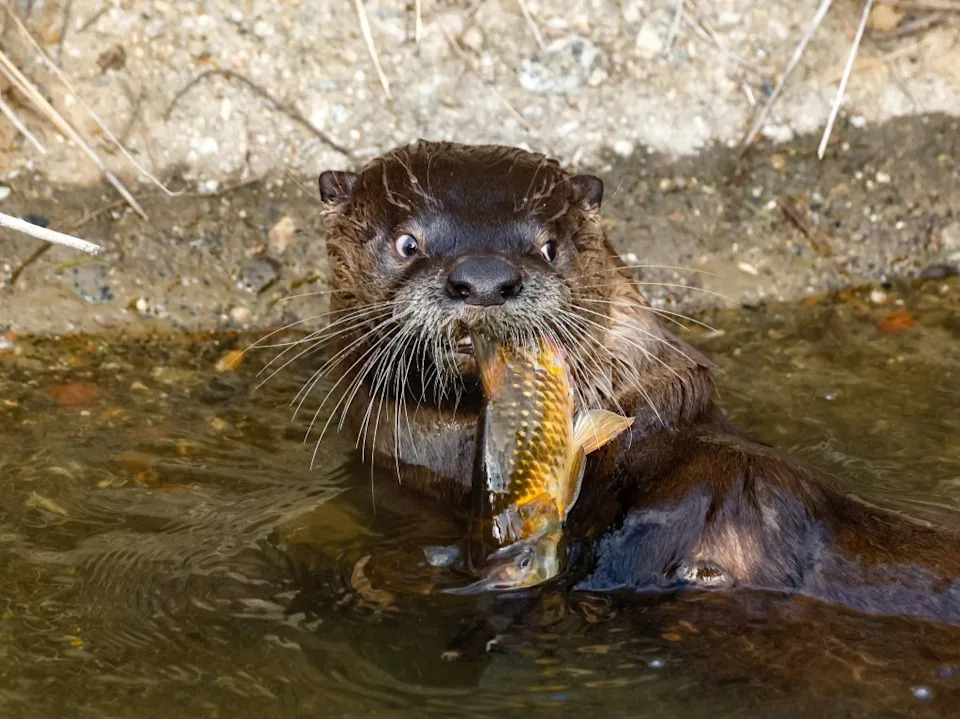
Researchers counted a staggering 73 dead pelicans during a single season at Abbotts Lagoon in Point Reyes National Shore. River Otter Ecology Project
Witness Accounts
"I realized the otter had grabbed the pelican, killed it by drowning it, and was starting to eat it," Isadore told SFGATE.
Observers described the scene as shocking, and the mounting carcass count prompted systematic study.
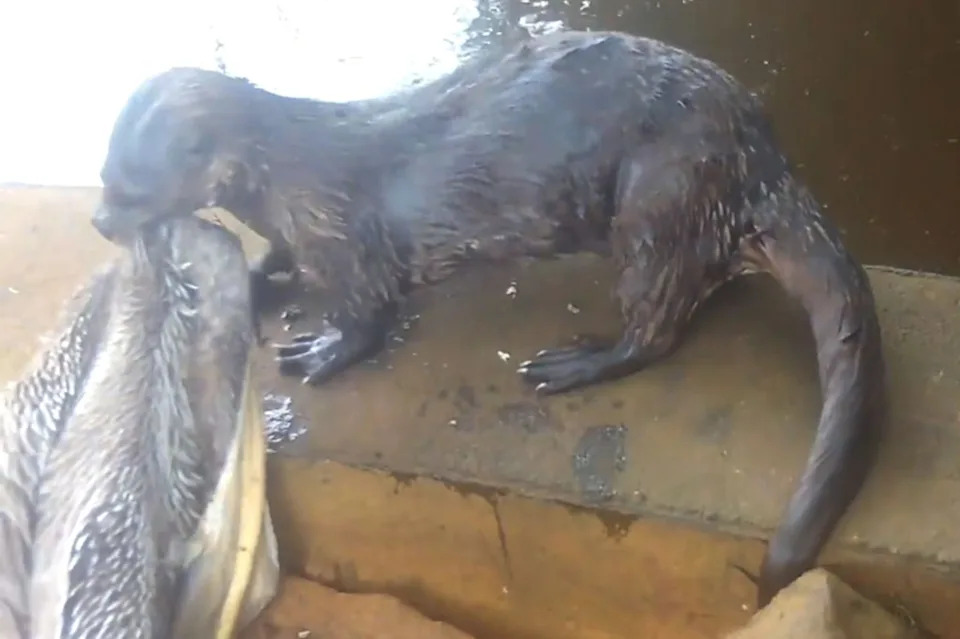
A river otter drags a dead brown pelican from the water after the bird was killed.
Possible Causes and Broader Context
River otters are opportunistic predators with high energy needs; they routinely hunt fish, birds and other aquatic prey. Similar otter attacks on pelicans have been reported in California before (Rodeo Lagoon in 2006 and Lake Tolowa in 1998) but have not been documented beyond the state. Researchers previously suggested that algal blooms and depleted fish stocks at Rodeo Lagoon may have pushed otters toward pelicans. Abbotts Lagoon, however, does not show those algal conditions, raising the possibility that local otters discovered pelicans were an especially rewarding prey item.
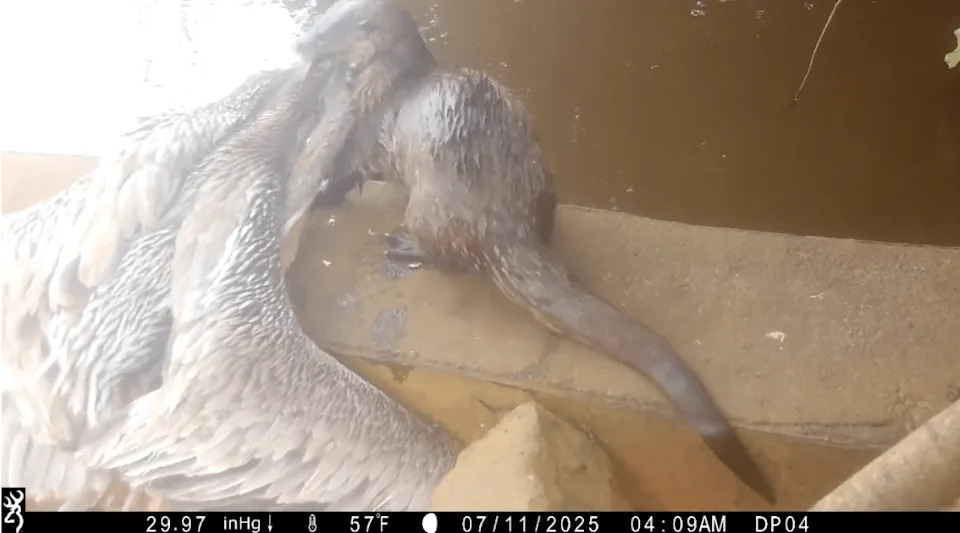
Brown pelicans have reportedly begun fleeing when otters approach following repeated deadly attacks at the lagoon.
Behavioral Changes and Conservation Outlook
After repeated attacks, pelicans were observed flying away when otters approached — likely an example of learned avoidance — and far fewer pelicans now visit the lagoon, even though the species remains common elsewhere around Point Reyes. While the loss of 73 birds in one season was notable, researchers say it is not large enough to threaten the broader brown pelican population. Scientists still do not know how the behavior spread among otters or why the attacks later tapered off.
River otters are opportunistic predators with high energy needs that regularly hunt birds, fish and other aquatic prey.
Bottom line: The behavior is a striking example of opportunistic predation that had clear local impacts on pelican presence and behavior, but it appears to be rare and not an immediate conservation crisis for the species.
Help us improve.