Photographs documented by researchers show endangered Bolivian river dolphins holding an anaconda in their mouths for at least seven minutes. Scientists consider play the most plausible explanation but note nearby juveniles and male sexual arousal, leaving open teaching or sexual-context possibilities. The event sits alongside research linking river-dolphin health to threats from heat waves, pollution and habitat loss, prompting calls for habitat protection and climate resilience.
Rare Photos Show Bolivian River Dolphins Holding an Anaconda — Researchers Puzzle Over Why
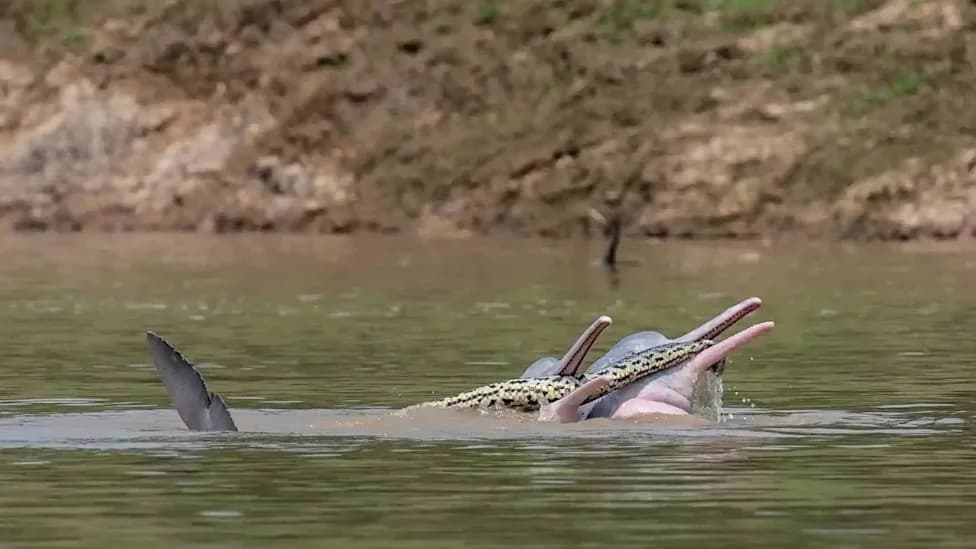
Photo Credit:Image© 2022 by Neto et al. is licensed underCC BY 4.0
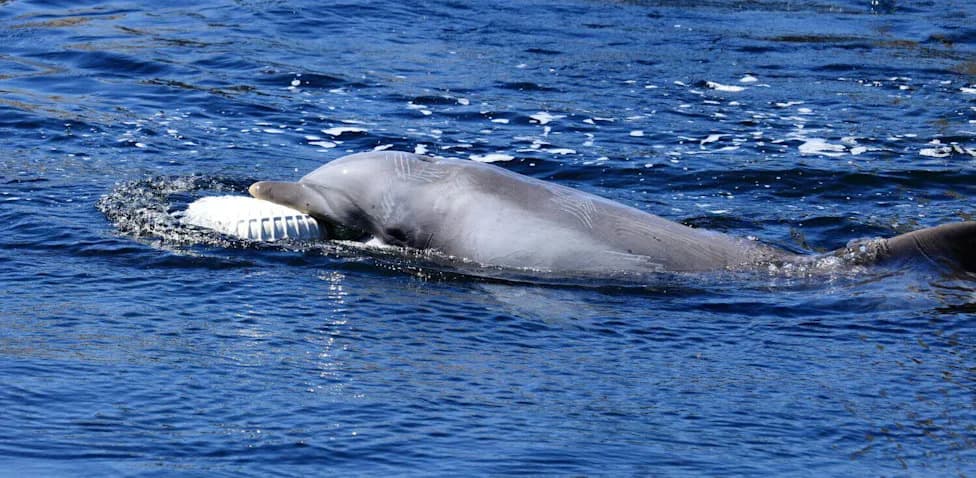
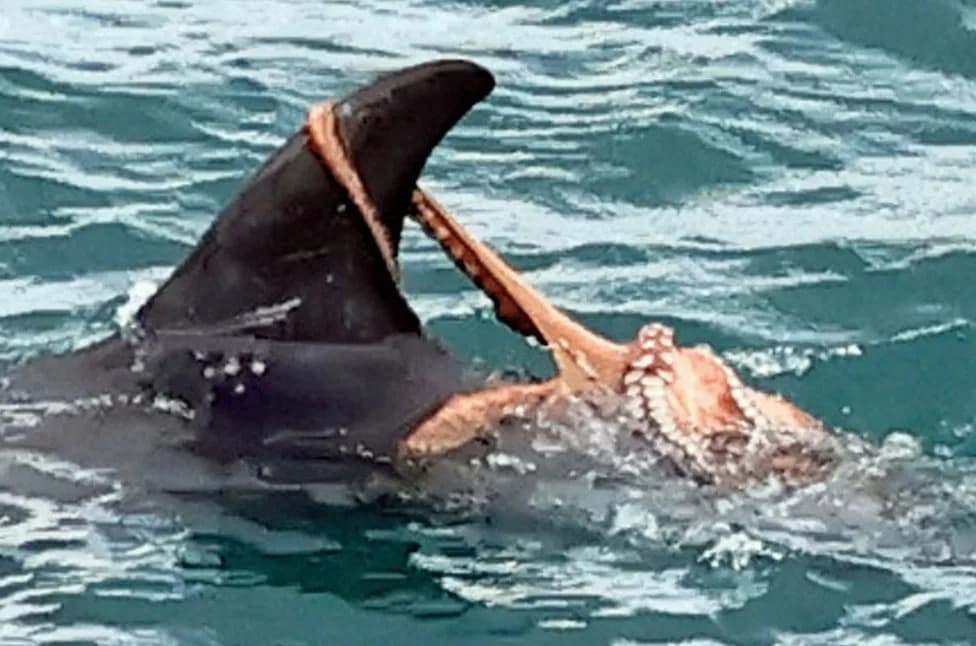
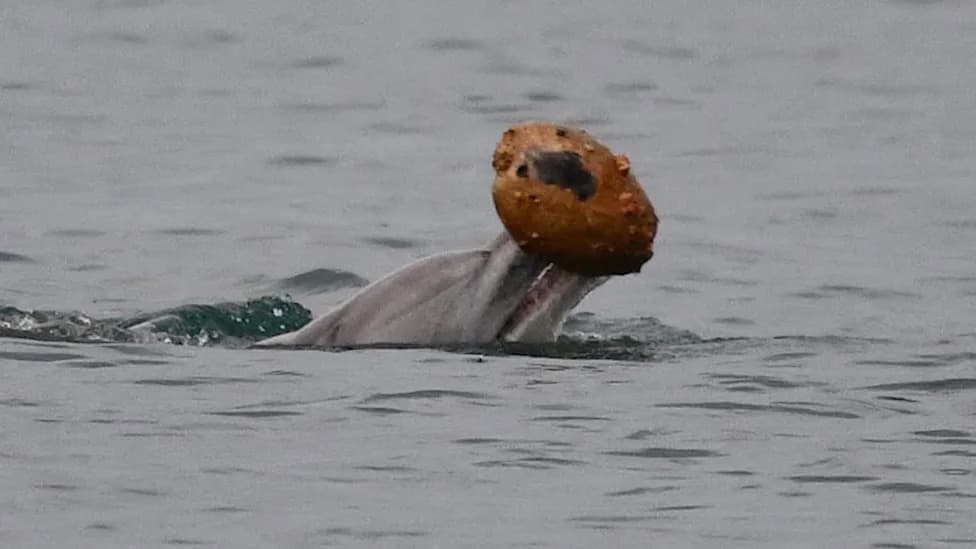
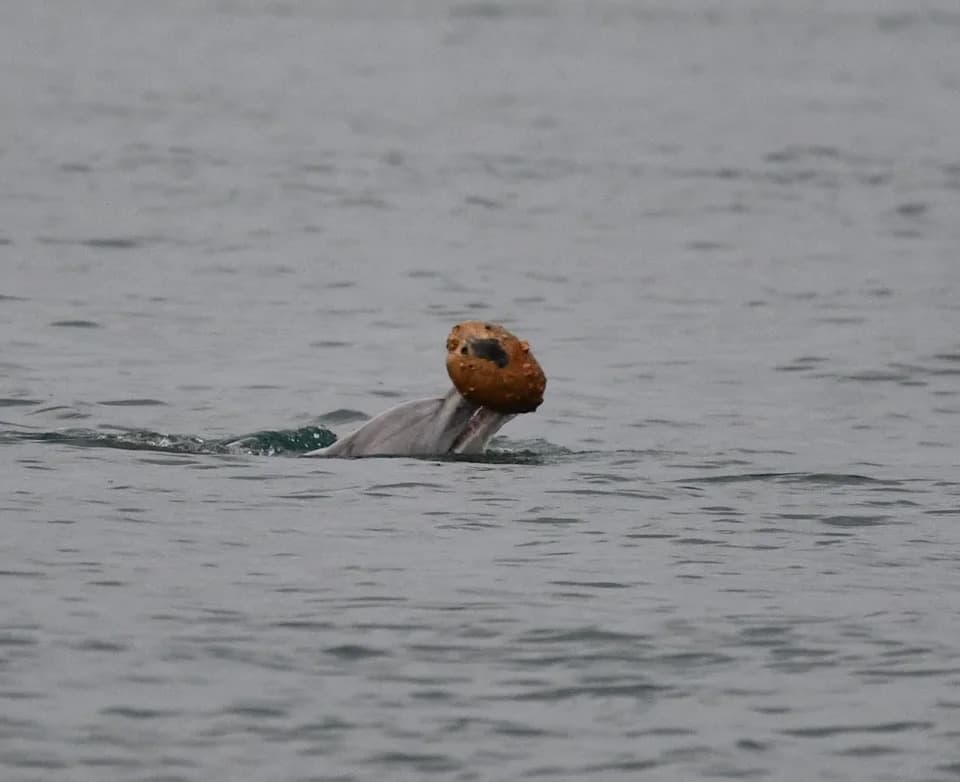
Rare photographs taken by researchers at the Noel Kempff Mercado Natural History Museum show endangered Bolivian river dolphins (Inia boliviensis) holding an anaconda in their mouths for at least seven minutes — a striking encounter scientists are still trying to interpret, ZME Science reported.
What Was Observed
The images, formally described in a 2022 paper in the journal Ecology, capture the dolphins with their heads above water while grasping the snake. Observers noted the anaconda appeared largely motionless and spent extended stretches underwater; investigators suggested the snake may have died during the encounter, although that was not confirmed.
Possible Explanations
Lead author Omar Entiauspe-Neto and co-authors discussed several hypotheses. They consider play the most likely explanation, given similar playful object-handling seen in cetaceans. Juvenile dolphins were nearby, which raises the possibility that adult dolphins were demonstrating or teaching a behavior to younger animals. The researchers also noted that some adults in the photographs showed sexual arousal (male erections), so they left open a possible sexual-context element to the interaction.
Dietary Evidence
Direct evidence that Bolivian river dolphins eat snakes is lacking. A November 2025 stable-isotope study of five individuals from the Mamoré basin analyzed broad fish groupings and found no indication that snakes are a routine prey item — though the sample was small and the study could not rule out rare or opportunistic feeding events.
Broader Environmental Context
Researchers emphasize that river dolphins are important sentinels of freshwater-basin health. Recent studies and events underline mounting pressures on freshwater cetaceans:
- A 2023 study found Amazon dolphin ranges overlapping areas of intense fishing and planned dams.
- During the 2023 drought, extreme heat and low water coincided with the deaths of more than 200 river dolphins in Brazil's Lake Tefé.
- A November 2025 Science paper reported that five of ten monitored Amazon lakes exceeded 98.6°F during that heat wave, illustrating how acute warming can threaten aquatic life.
- Health assessments in February 2025 by Fundación Omacha and partners in the Colombian Amazon reported elevated mercury and some antibiotic-resistant bacteria in certain dolphins; long-term analyses are ongoing.
- In May 2026, researcher Enzo Aliaga-Rossel and cetacean specialist Randall Reeves reported dozens of Bolivian river dolphins were rescued and relocated after stranding in isolated canals and tributaries; they described these rescues as palliative without broader habitat protection.
Conservation Implications
Whether the dolphin-anaconda interaction represents play, teaching, opportunistic feeding or a sexual behavior, the episode highlights how little is still known about river-dolphin behavior. Scientists say protecting river habitats and improving climate resilience are essential for the long-term survival of river dolphins and the communities that rely on healthy freshwater systems.
Takeaway: These photos provide a rare behavioral snapshot of a little-studied species and reinforce the role of river dolphins as early warning indicators of ecosystem stress.
Help us improve.