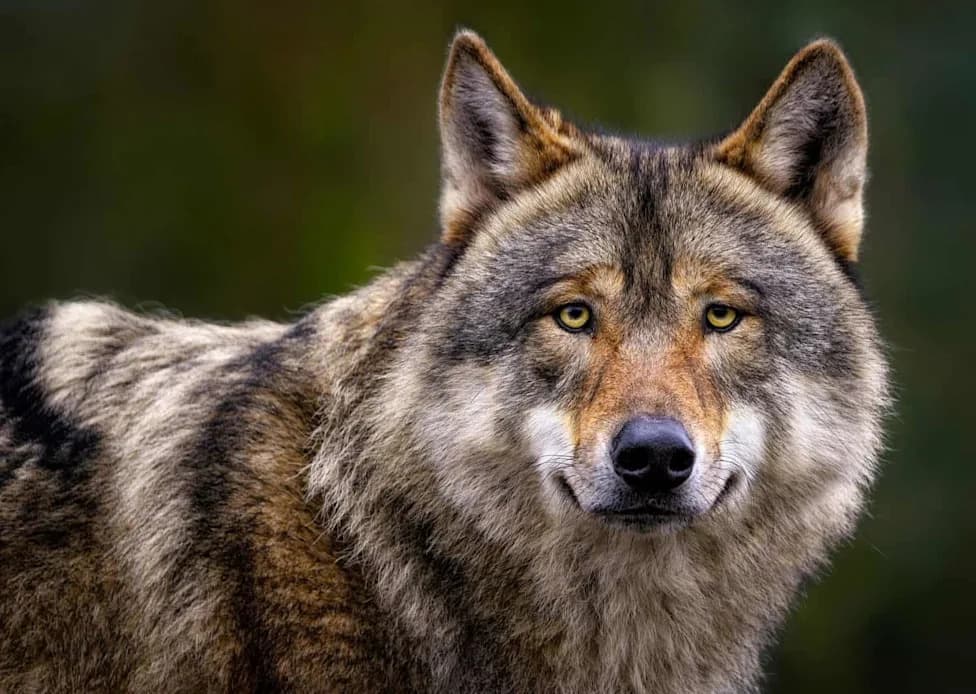
Researchers documented wolves on Alaska's coasts preying on sea otters, overturning the assumption that wolves depend almost entirely on hoofed mammals. A 2016 Katmai sighting and follow-up work on Pleasant Island found packs shifting from deer to sea otters as a primary food source. Teams from Oregon State, the National Park Service and the Alaska Department of Fish and Game are expanding surveys across coastal parks to determine how widespread and ecologically significant this behavior is.
Wolves Hunt the Coast: Alaska Packs Found Preying on Sea Otters
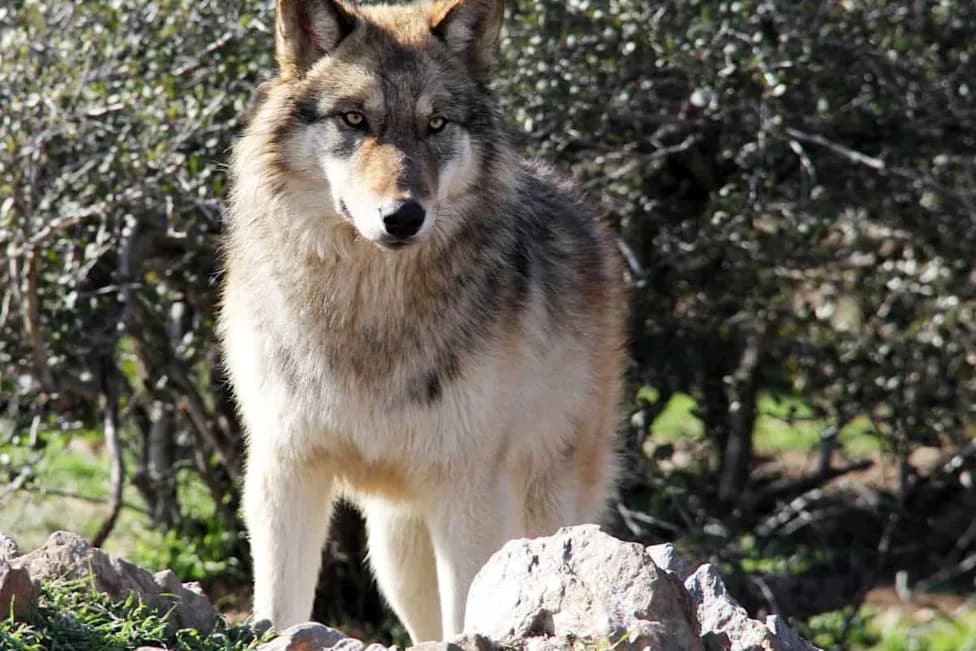
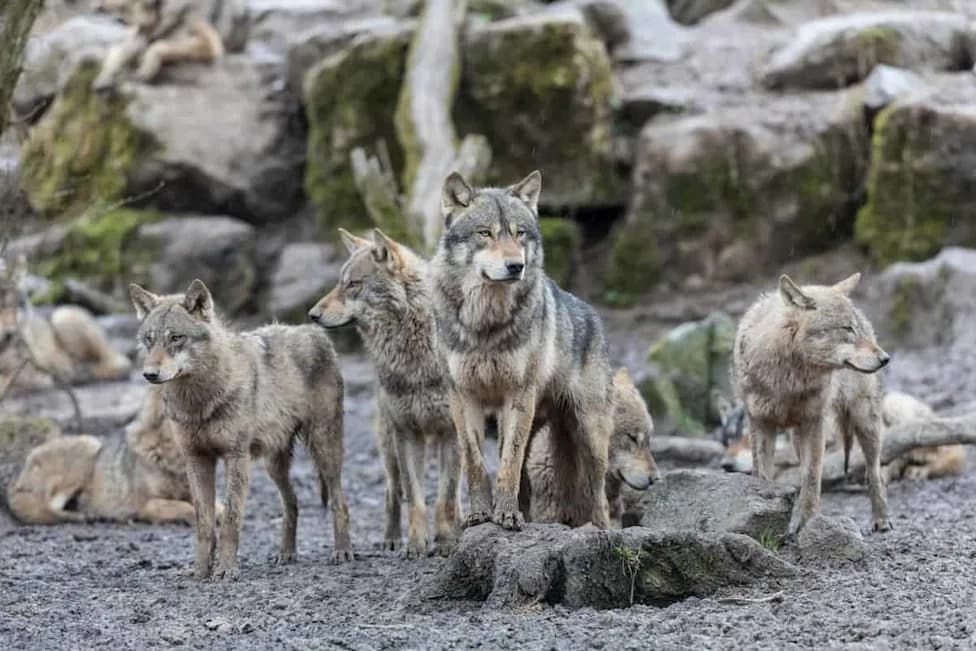
Wolves Don't Only Hunt on Land, and What Was Seen on the Alaska Coast Shows It© PeakMystique/ via Canva.com
On Alaska's remote Katmai coast, researchers witnessed a striking scene that challenged a long-standing assumption about gray wolf diets: a white wolf moving along the shoreline carrying a live sea otter. The 2016 observation by National Park Service biologist Kelsey Griffin and colleagues has prompted renewed study into how coastal wolves exploit nearshore resources.
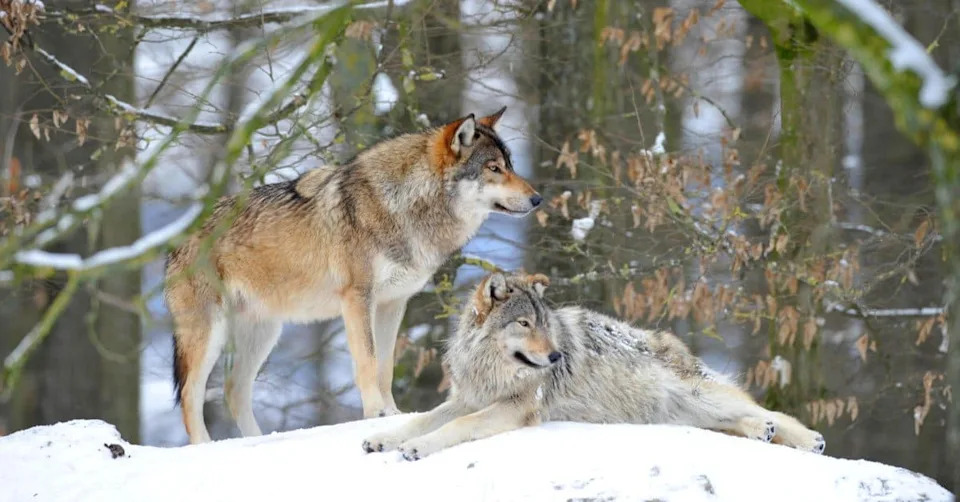
©imageBROKER.com/Shutterstock.com
From Hoofed Mammals to Marine Prey
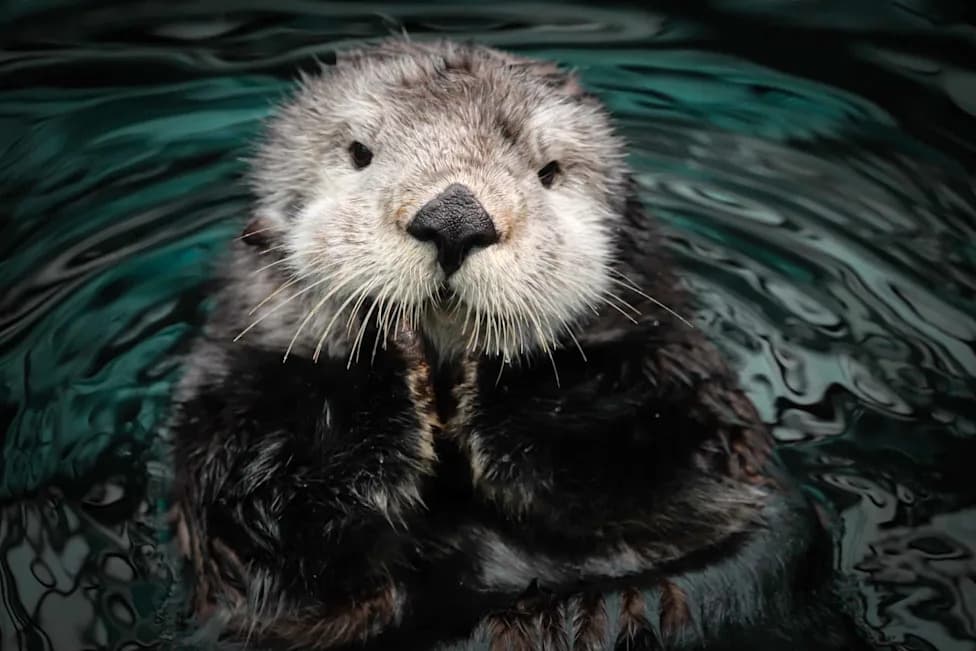
For decades, ecologists have generally treated ungulates—moose, elk and deer—as the primary food source for North American wolves. While wolves have occasionally been observed scavenging marine carrion, the new body of field observations suggests some coastal packs may actively hunt sea otters and other nearshore prey, not just scavenge them.
©kzww/Shutterstock.com
Key Field Findings
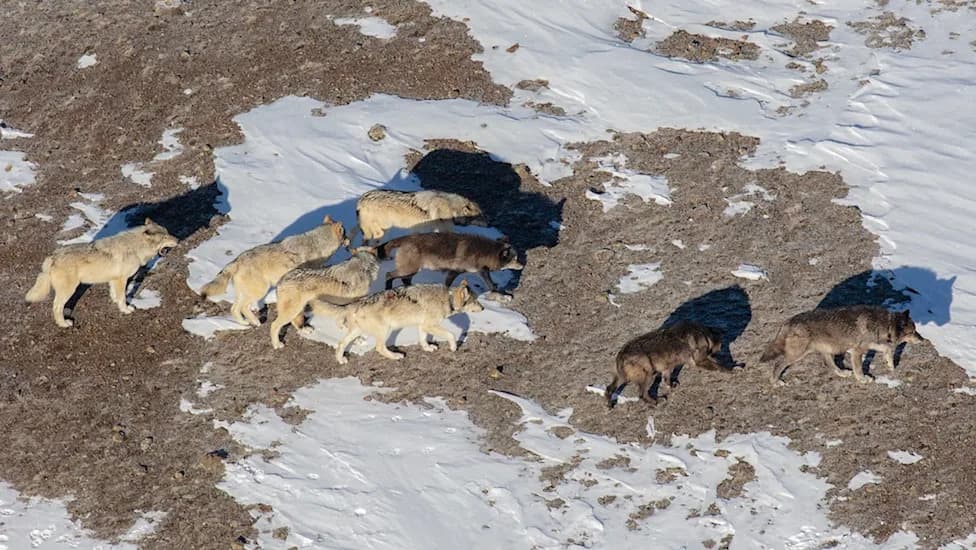
Researchers from Oregon State University, the National Park Service and the Alaska Department of Fish and Game are documenting these behaviors at multiple sites. On Pleasant Island, about 40 miles west of Juneau, teams led by Roffler and Levi reported packs that had driven local deer numbers very low and subsequently shifted to relying primarily on sea otters. If confirmed more broadly, this would be the first documented case of a terrestrial predator using sea otters as a principal food source.
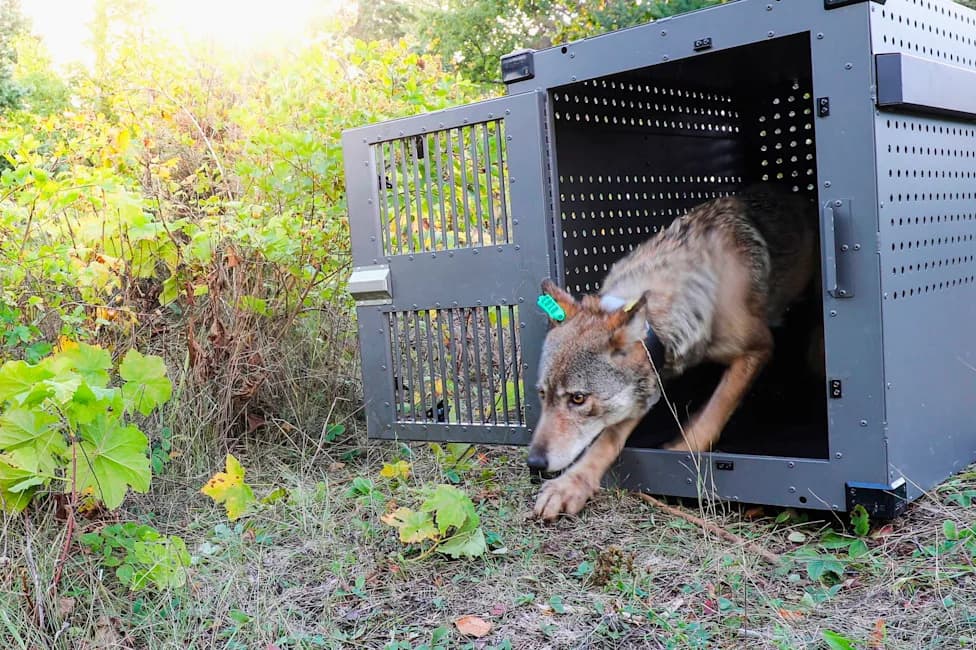
©The Wolf Conservation Center
"What? I was just blown away," recalled Kelsey Griffin of the 2016 Katmai sighting. The moment highlighted how little is known about wolves operating at the land–sea interface.
Why It Matters
These findings may force wildlife managers to revisit models and assumptions that treat wolves as strictly inland predators dependent on ungulates. Ellen Dymit, a doctoral student at Oregon State, noted that changes in prey choice at the pack or individual level could alter predictions about wolf population dynamics and their cascading effects across coastal ecosystems.
Next Steps in Research
Scientists are expanding surveys to additional coastal national parks, including Lake Clark, Glacier Bay and Kenai Fjords, alongside ongoing work in Katmai and Pleasant Island. Studies will examine how often wolves hunt versus scavenge marine prey, how individual and pack diets vary, and what effects these shifts have on both wolf and sea otter populations.
Griffin—now director of the Ocean Alaska Science and Learning Center in Seward—emphasizes that coastal wolves remain understudied and could play a significant role in nearshore food webs. As researchers continue to document unexpected behaviors along wind-swept beaches, the boundary between terrestrial and marine ecosystems becomes increasingly dynamic and relevant to conservation planning.
Help us improve.