Heather Gray, a 60-year-old paddleboarder from Capitola, was knocked into Monterey Bay and repeatedly bitten by a sea lion on Sept. 22. The several-minute attack, captured on a Surfline live feed, left Gray with puncture wounds; she received antibiotics, a tetanus shot and later rabies shots as a precaution. The Marine Mammal Center reported at least one other aggressive sea lion incident that day, but experts cannot confirm the cause. Officials note recent signs of domoic acid exposure among local sea lions and urge ocean-goers to give marine mammals plenty of space.
Paddleboarder Survives 'Biting Frenzy' After Sea Lion Attacks Off Santa Cruz
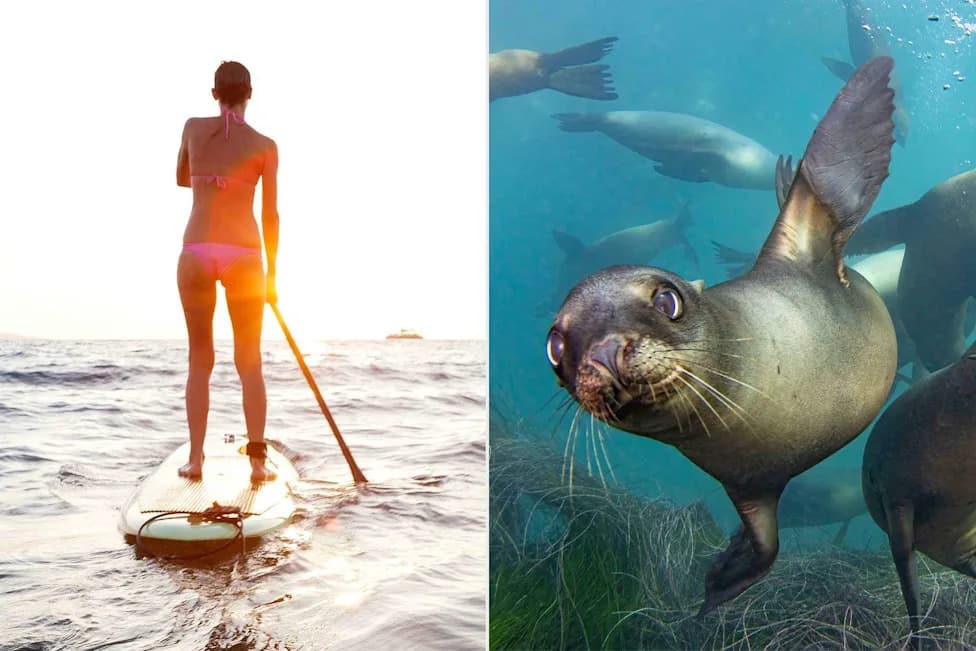
A woman on a paddleboard in the ocean and a California sea lion in the waterCredit: Getty (2)
An experienced paddleboarder says she was knocked into Monterey Bay and repeatedly bitten by a sea lion during a rare and aggressive encounter off Santa Cruz, California.
What Happened
Capitola resident Heather Gray, 60, told the San Francisco Chronicle that on the morning of Sept. 22 she was paddling toward a surf break when a sea lion raced toward her at an unusually fast pace. The animal slipped beneath her board, struck from below and knocked her into the water.
Once she was in the water, Gray says the sea lion grabbed her by the hair and bit her hand, forearm and upper arm, puncturing her wetsuit and skin. She tried to fend the animal off with her paddle, but the assault continued for several minutes before she managed to climb back onto her board and paddle toward shore, with the sea lion trailing her part of the way. The confrontation was captured on a Surfline live camera feed.
"It was like, 'Oh my god, this is not stopping,'" Gray told the Chronicle. "It wasn't just one curious bite, and left — it just kept going and going."
Injuries and Treatment
Gray was treated at an urgent care clinic, where she received antibiotics and a tetanus shot. She later received rabies shots as a precaution. Gray is a longtime paddler in the area and said she often encounters marine life but has never experienced an attack like this.
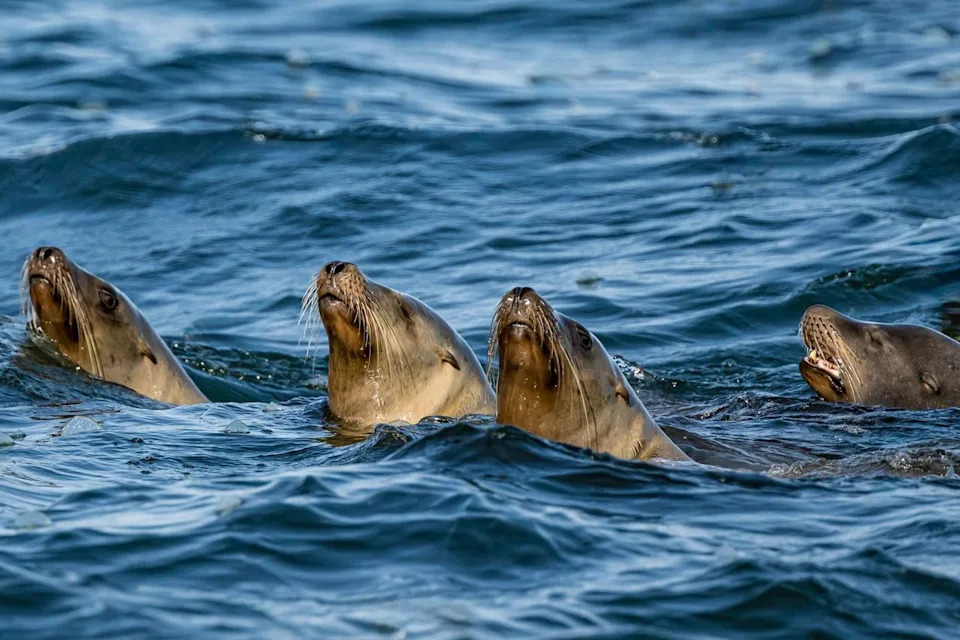
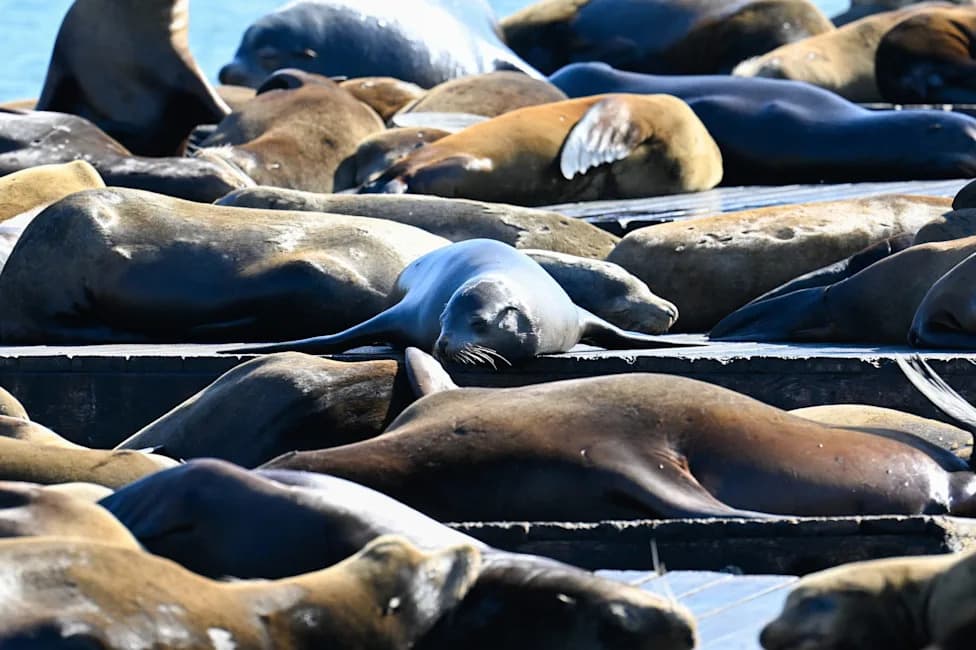
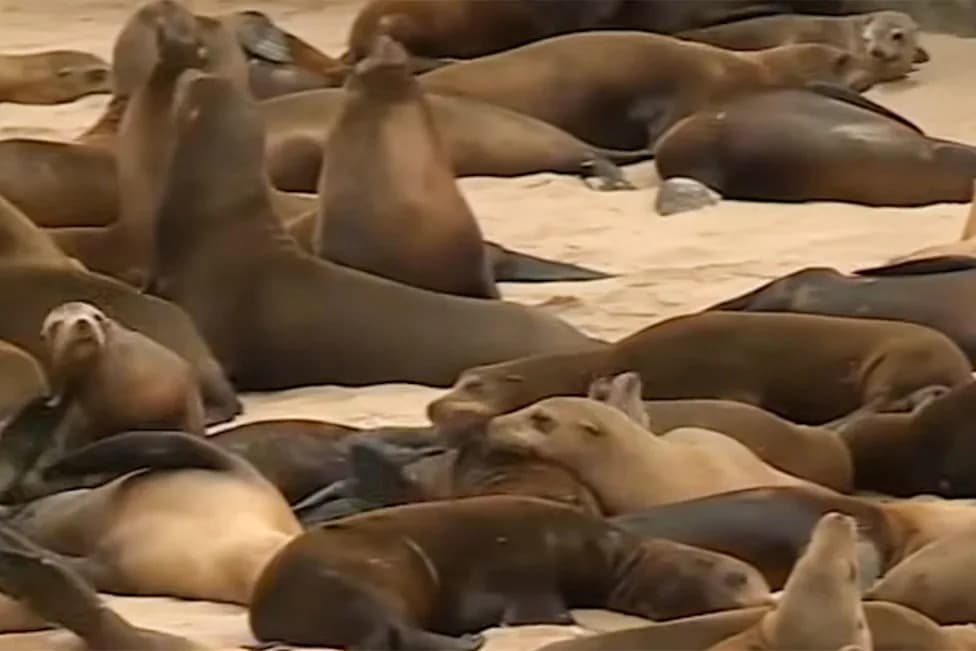
California sea lionsCredit: Getty
Investigations and Possible Causes
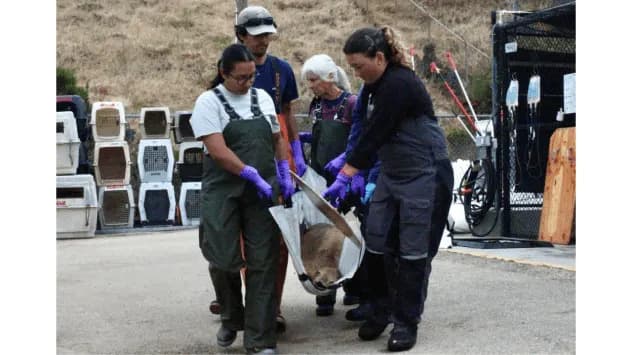
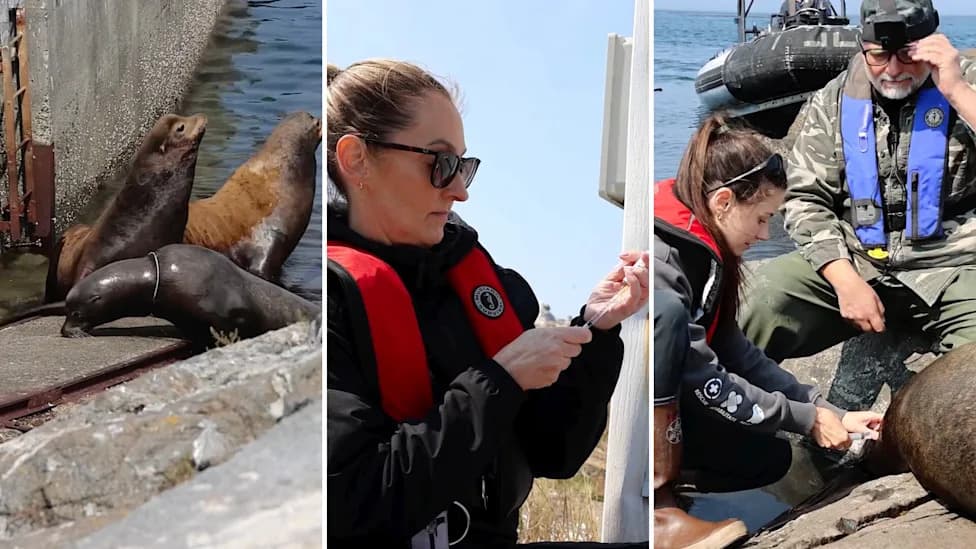
The Marine Mammal Center, a Sausalito-based rescue and conservation nonprofit, said Gray's incident was one of at least two aggressive sea lion encounters reported off Santa Cruz that day. Because the animals were not captured or examined, experts cannot confirm whether the incidents involved the same animal or what triggered the aggression.
Officials noted a worrying pattern earlier in the summer: increased strandings of sea lions and fur seals showing signs consistent with domoic acid exposure. Domoic acid is a neurotoxin produced by some harmful algal blooms and accumulates in small fish that marine mammals eat. In affected animals, it can cause seizures, disorientation and heart problems.
Safety Advice
Authorities and conservationists urged ocean-goers to give marine mammals a wide berth, avoid approaching or feeding them, and calmly move away if they encounter an aggressive animal. While such attacks are rare, observers stress maintaining distance to reduce risk to both people and wildlife.
Note: Investigations into the cause of these aggressive encounters are ongoing.
Help us improve.