Four beluga whales — Osiris (26), Beethoven (34), Rain (20) and Peekachu (23) — have died recently at Chicago's Shedd Aquarium, prompting renewed scrutiny of captivity for large marine mammals. Three of the whales were part of an international relocation from Marineland following the park's 2024 closure. While accredited zoos and aquariums do fund some conservation work, successful reintroductions and measurable changes in visitor behavior are uncommon. Advocates are pursuing alternatives such as a proposed 110-acre coastal sanctuary for retired whales, but it remains years from completion.
Four Belugas Die After Marineland Transfer — What Shedd Aquarium's Losses Reveal About Captivity
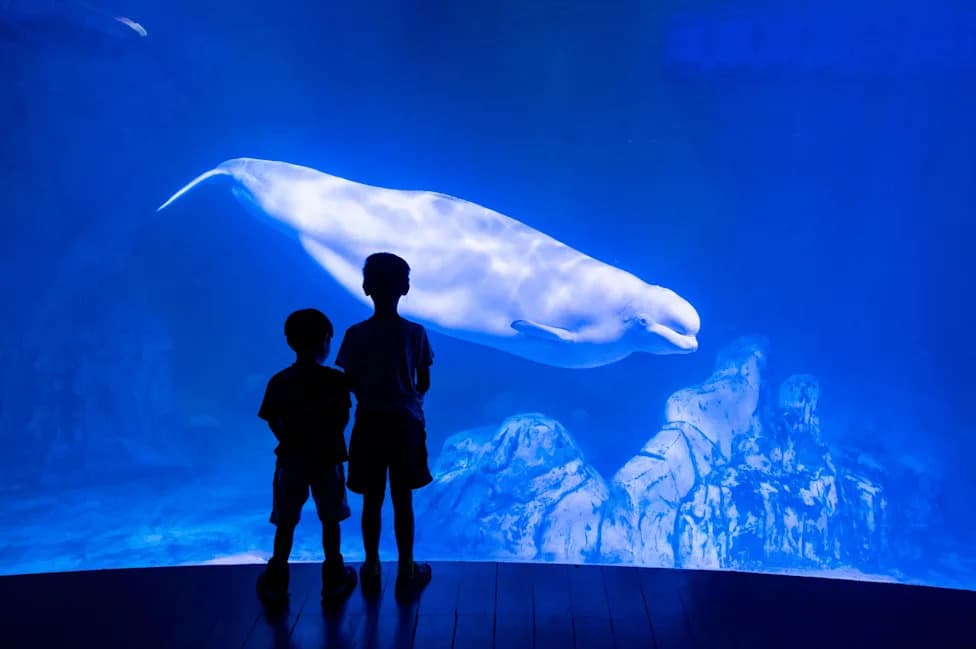
Young visitors watch the beluga whales at L'Oceanogràfic in Valencia, Spain. | Miguel Candela/SOPA Images/LightRocket via Getty Images
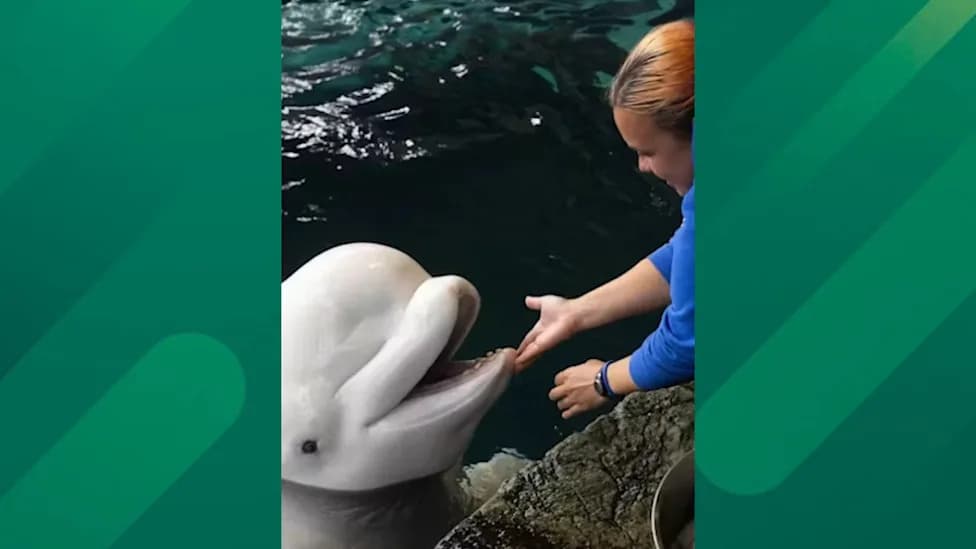
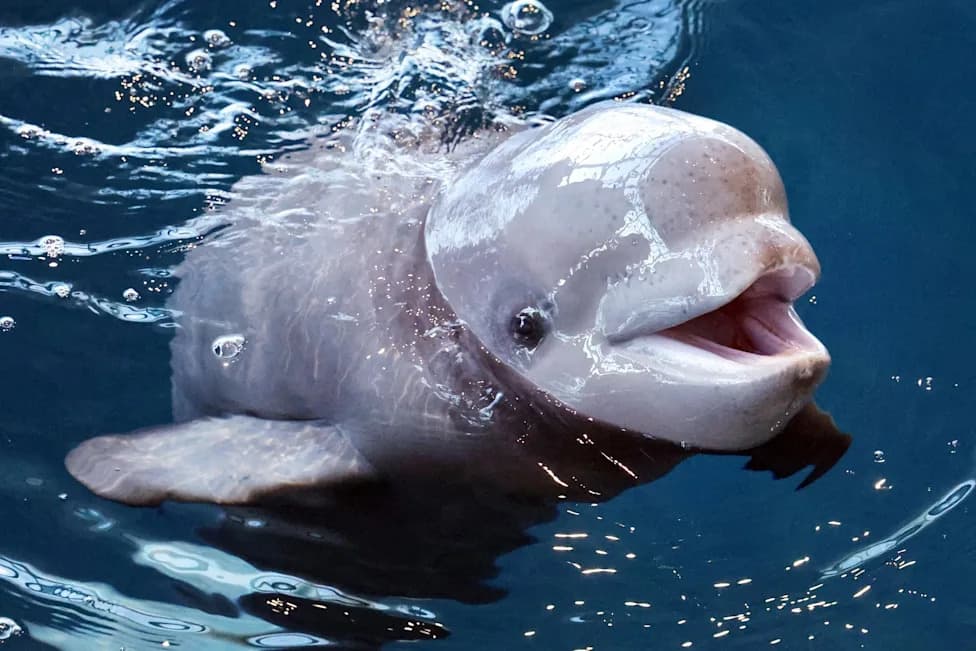
Four beluga whales have died within a month at Chicago's Shedd Aquarium, renewing questions about the ethics and practicality of keeping large marine mammals in captivity.
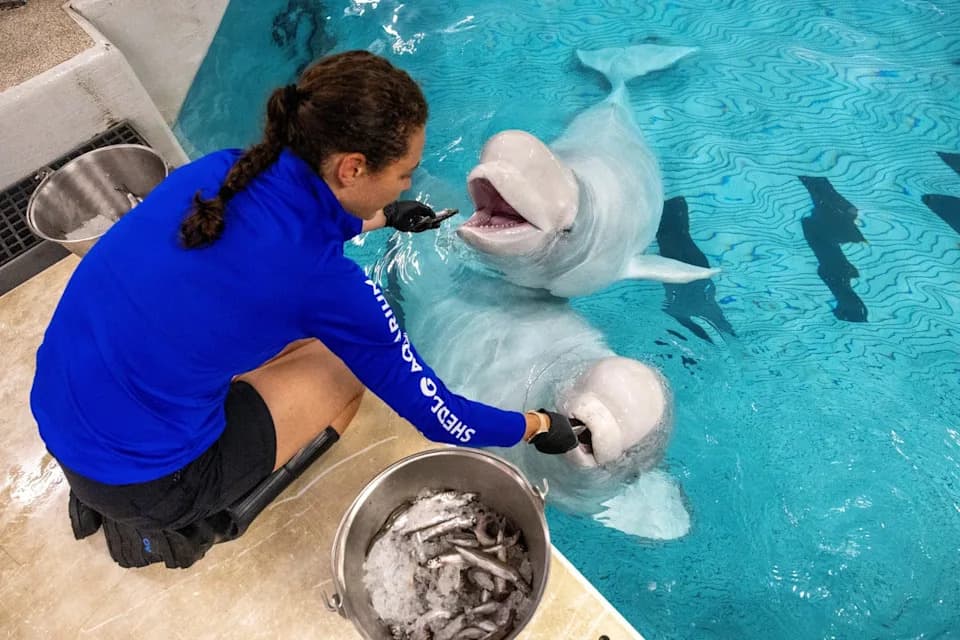
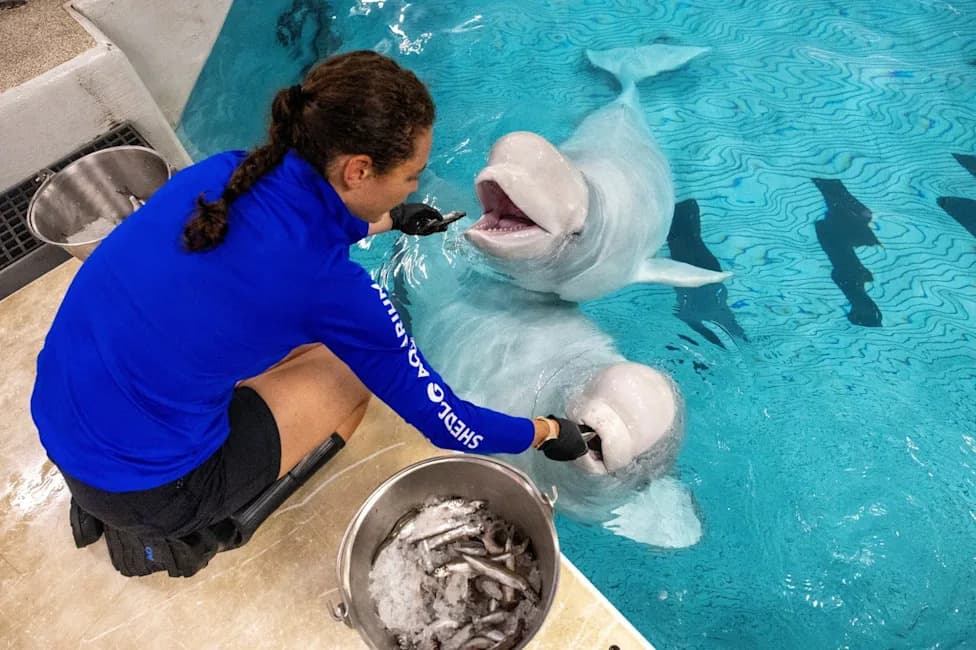
The most recent death was Osiris, a 26-year-old female beluga. She follows longtime Shedd resident Beethoven (34) and two younger whales, Rain (20) and Peekachu (23), who died in late August and early September. Shedd has said the rescued whales were under 24-hour supervision and receiving intensive, specialized care while the aquarium investigates the causes of all four deaths.
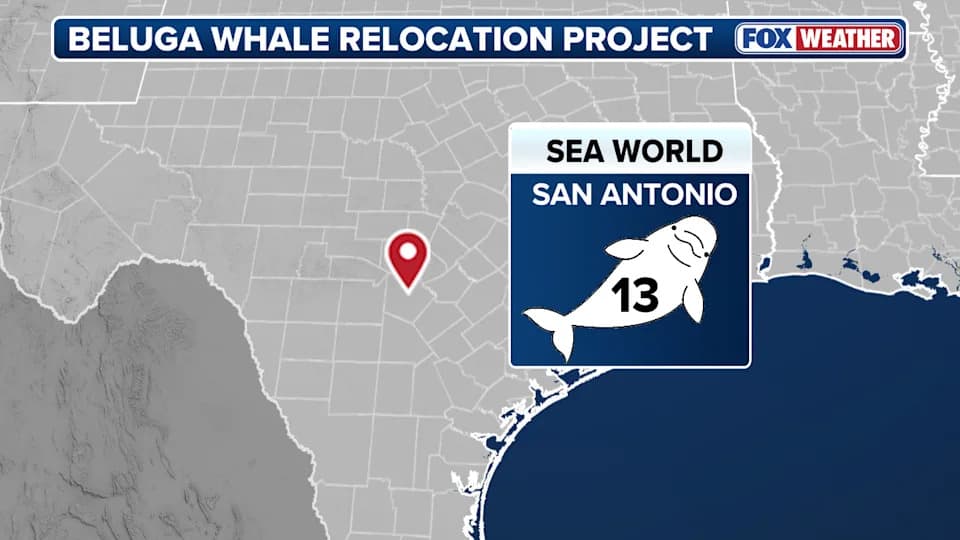
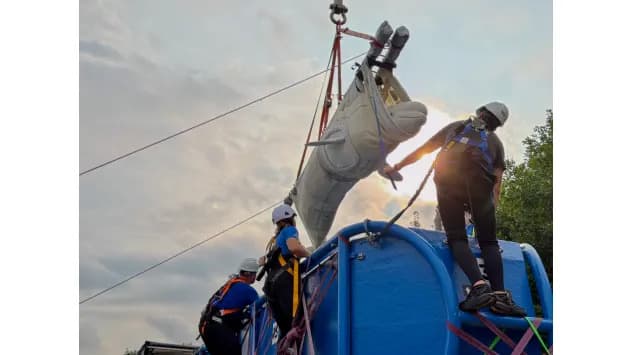
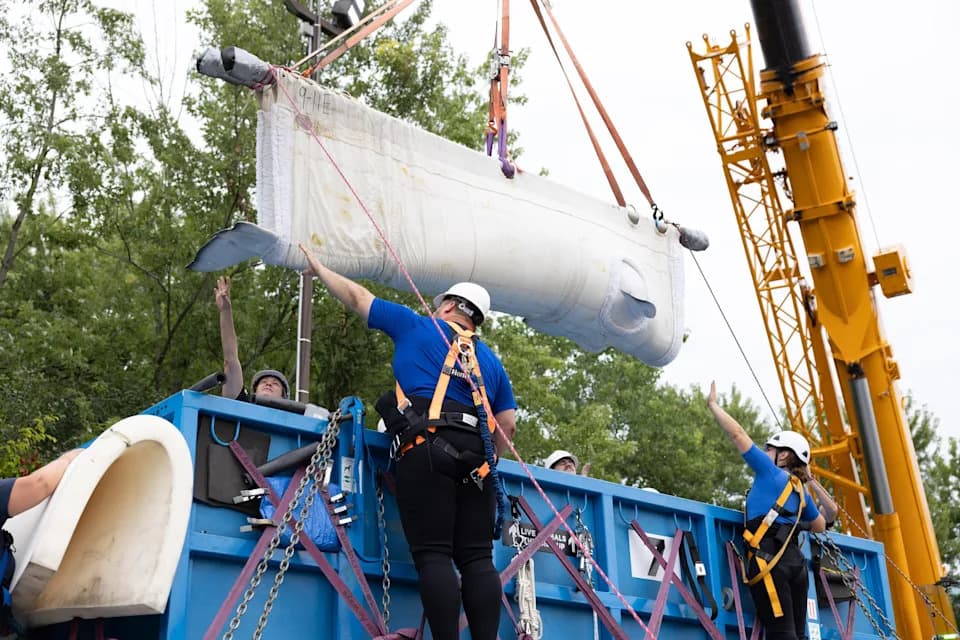
Osiris, Rain and Peekachu were among a large group relocated from Marineland, the scandal-plagued theme park in Niagara Falls, Canada, after its 2024 closure. That relocation involved complex international logistics — padded shipping containers, police-escorted convoys on land and chartered flights — moving four dolphins and roughly 30 belugas to facilities in the United States and Spain.
Why The Deaths Matter
For many observers, the transports were an extraordinary rescue effort. For others, the subsequent fatalities highlight the risks animals face during transfers and while living in captivity, even at well-funded, highly regarded institutions.
Shedd Aquarium has emphasized that the animals were closely monitored and received round-the-clock veterinary attention; formal determinations about cause of death are still pending.
Conservation Claims Versus Reality
Zoos and aquariums commonly justify captivity on three grounds: fundraising for conservation, breeding and reintroduction programs, and public education that inspires stewardship. There is evidence some institutions contribute meaningfully — for example, a group of accredited zoos and aquariums reported spending more than a quarter of a billion dollars on habitat projects in 2022 — but the other claims are harder to substantiate.
Successful reintroductions of endangered species from captive populations are relatively rare and technically challenging. Visitor surveys also suggest that merely viewing animals in tourist settings does not reliably translate into long-term conservation action. Meanwhile, living in enclosed, public-facing exhibits can be stressful for many species.
Alternatives And Limits
Even if aquariums stopped sourcing animals from the wild, thousands would remain—injured, orphaned, born in captivity, or otherwise dependent on human care. One proposed alternative for large marine mammals is a coastal sanctuary: a nonprofit is developing a 110-acre coastal refuge intended for "retired" whales. That project, however, is still years from completion and cannot yet absorb large numbers of animals.
The immediate takeaway is that consumers, institutions and policymakers must weigh the stated public benefits of aquariums against the very real risks to individual animals. These recent deaths at Shedd complicate an already fraught debate about animal welfare, conservation outcomes and what humane alternatives might look like.
Note on Perspective: Ethical choices about zoos and aquariums demand nuance. Pursuing higher standards for animal care and investing in alternatives like coastal sanctuaries are important steps, even as we recognize that instantaneous, perfect solutions are rare.
Help us improve.