Solar electricity output in the U.S. topped both coal and wind in May 2026, with solar producing 47,147 GWh versus 45,119 GWh for coal and 41,157 GWh for wind, according to EIA data. Renewables produced 10.1% more electricity in the first five months of 2026 than a year earlier, driven largely by utility-scale and small-scale solar gains. Over the year to May 31, 2026, nearly 35 GW of new solar capacity was added, strengthening grid resilience when paired with storage.
Solar Surpasses Coal and Wind in May 2026 as U.S. Renewables Extend Their Lead
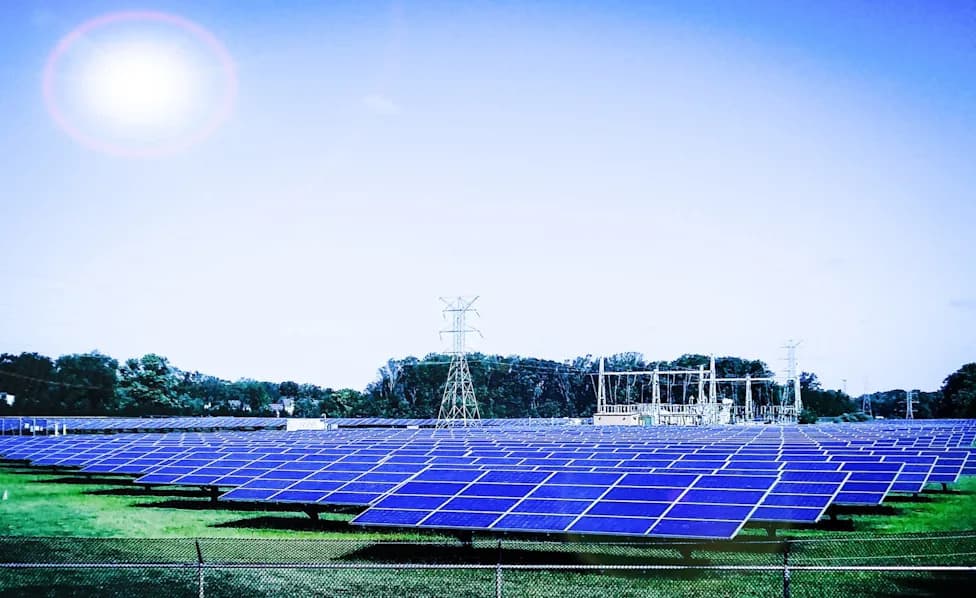
Photo Credit: iStock
In May 2026, solar electricity generation in the United States exceeded output from both coal and wind, marking a notable milestone in the nation’s shifting power mix. Data from the U.S. Energy Information Administration (EIA), reported by Electrek and analyzed by the SUN DAY Campaign, show continued momentum for renewable energy during the first half of 2026.
Key Data
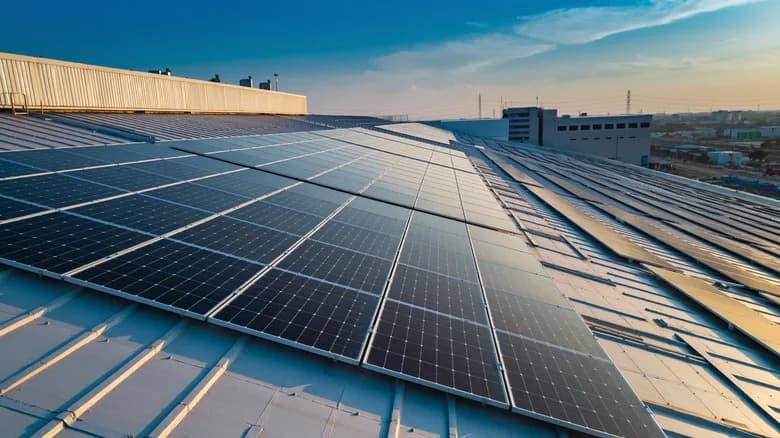
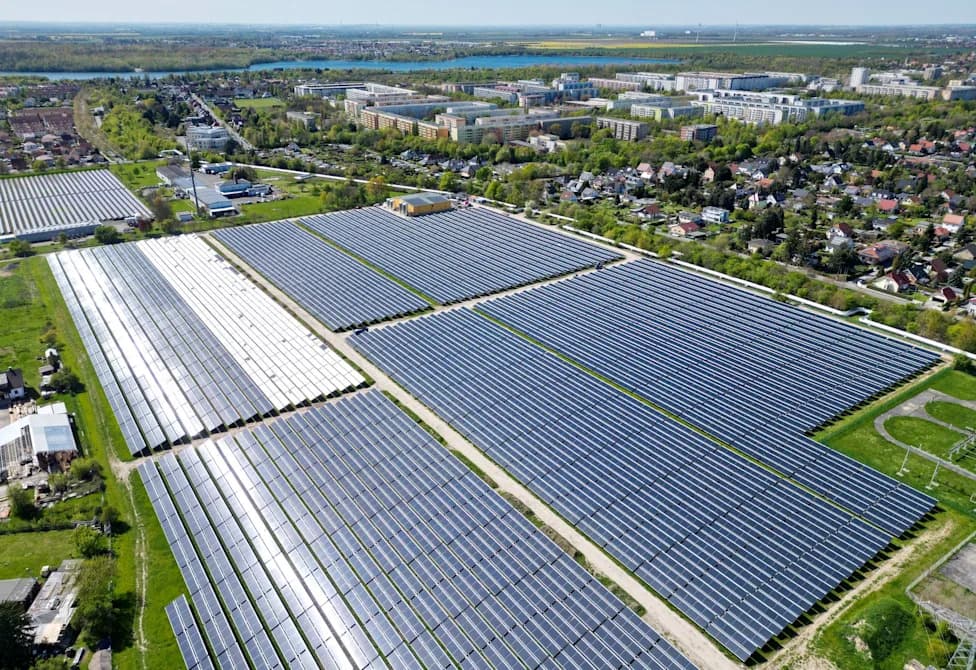
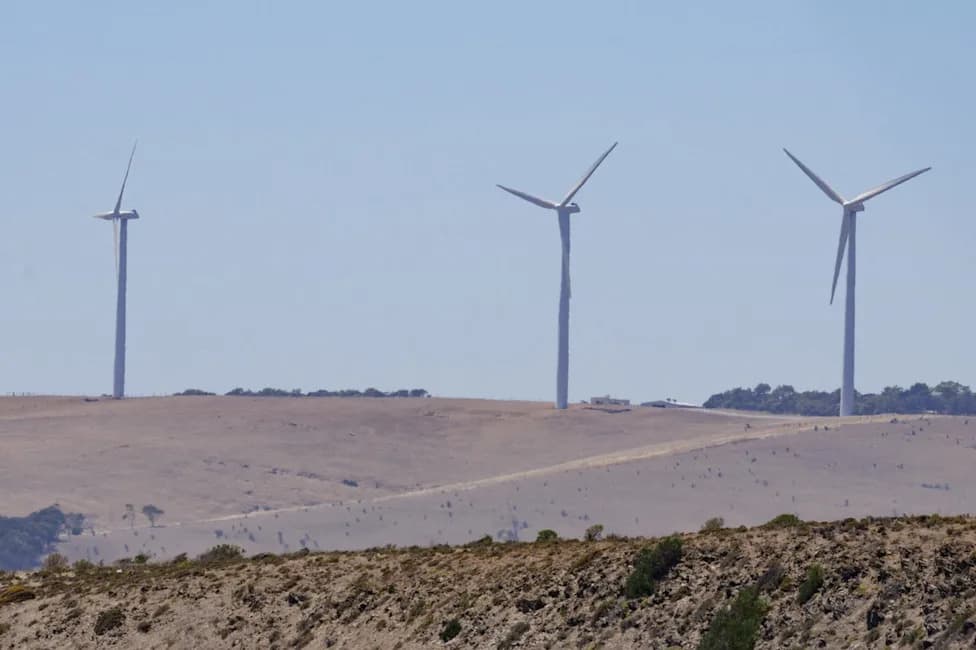
According to the EIA's Electric Power Monthly report through May 31, 2026, solar produced 47,147 GWh of electricity in May, compared with 45,119 GWh for coal and 41,157 GWh for wind.
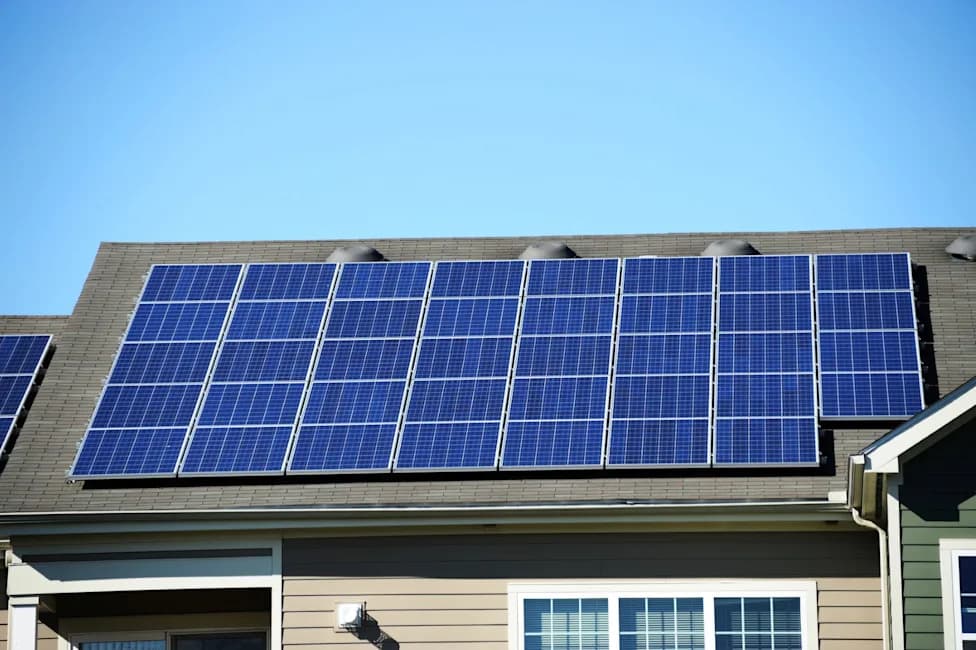
Across the first five months of 2026, renewables generated 10.1% more electricity than in the same period last year. Solar led the gains: utility-scale solar output rose 21.6% year over year, while small-scale (rooftop) solar increased 12.8%. Hydropower improved by 10.8% and wind rose by 4.8%. Outside renewables, natural gas generation edged up 2.5%, nuclear rose 1.3%, and coal generation fell 10.9%.
Capacity Additions and Grid Implications
Over the 12 months ending May 31, 2026, the U.S. added 6,664.3 MW of small-scale solar capacity and 27,995.1 MW of utility-scale solar. Combined, wind and solar (including small-scale installations) supplied more than 22.2% of U.S. electricity for the period.
Greater solar capacity — especially when paired with battery storage and distributed generation — can improve resilience during extreme heat and peak demand, reduce reliance on price-volatile fuels, and lower emissions from fossil fuel generation.
As Ken Bossong, executive director of the SUN DAY Campaign, said, "Notwithstanding all the roadblocks erected by the Trump Administration, the growth of solar, wind, and battery storage is actually accelerating."
What Homeowners Should Know
Marketplace services such as EnergySage say homeowners can save on solar system purchases and installations by comparing quotes and incentives. EnergySage's tools include a free solar map showing average home system costs by state and details on available incentives. The platform also provides information and competitive estimates for adding battery storage — a key option for reducing outage risk and saving on energy bills.
Federal data point to a power sector increasingly weighted toward cleaner energy sources, a trend likely to influence household energy costs and emissions in the years ahead.
Help us improve.