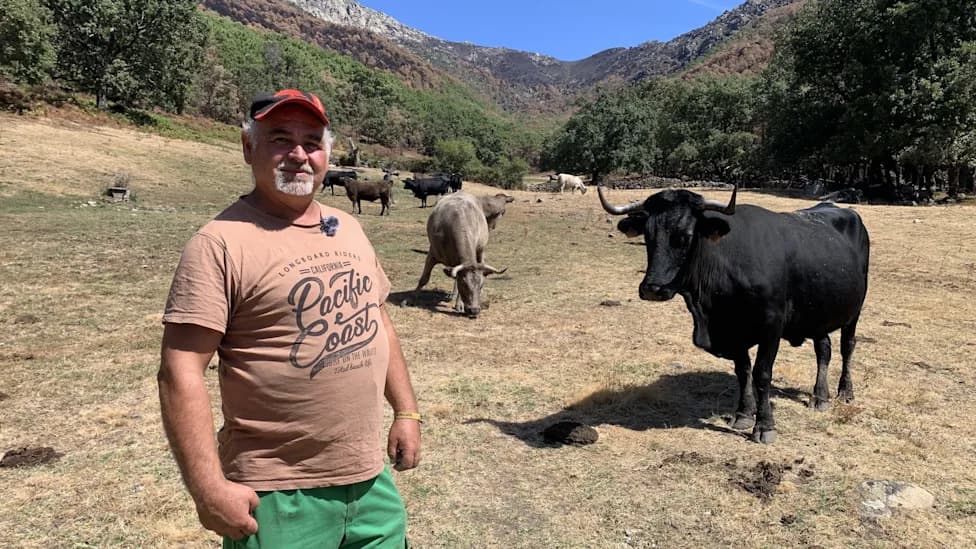
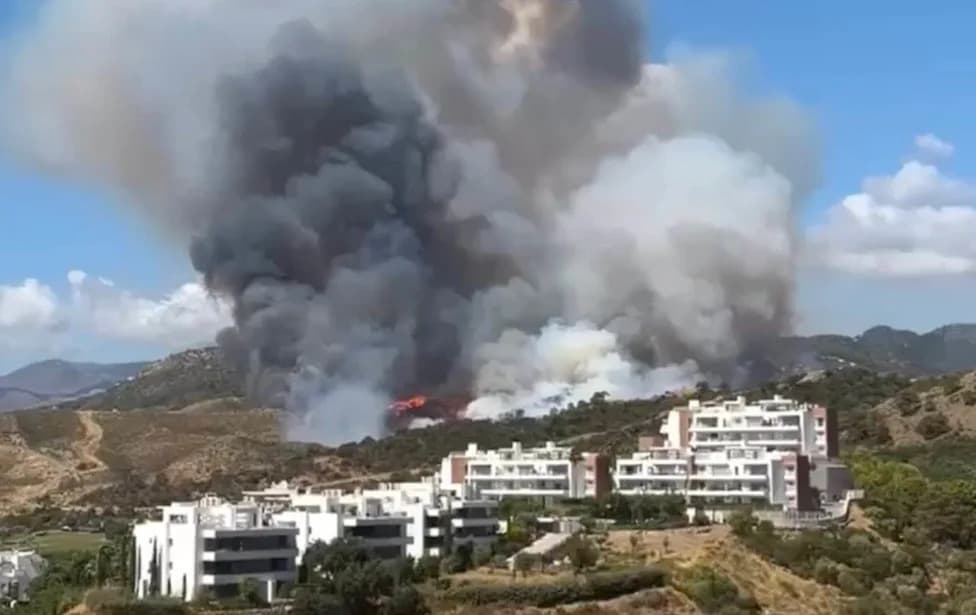
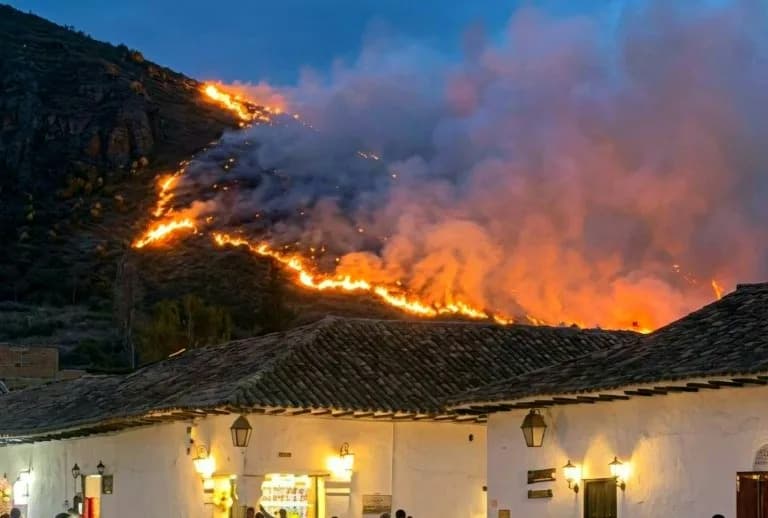
The Burgohondo wildfire has burned more than 50,000 hectares in Ávila, damaging historic Garnacha and Albillo Real vineyards in Sierra de Gredos and forcing thousands to evacuate. While firefighters have largely contained the perimeter, active fronts remained as of July 26, preventing a full damage assessment. Wineries including Bodega El Reventón, Soto Manrique and Indiano Wines confirmed losses — some vines date back to the 1920s. Producers warned that limited vegetation management and scarce resources increase wildfire risk and urged consumers to support the region by buying Gredos wines.
Burgohondo Blaze Ravages Sierra de Gredos: Historic Vineyards and 1920s Vines Destroyed
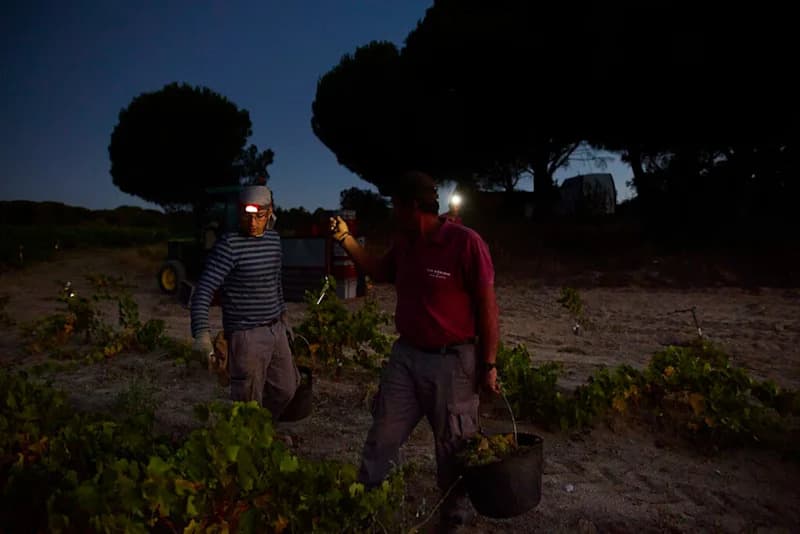
Several men work in the grape harvest, in a vineyard of the Las Moradas de San Martín winery, on Aug. 21, 2021, in Madrid, Spain. (Photo: Europa Press via AP)
Historic vineyards across Spain's Sierra de Gredos have been damaged or destroyed as the Burgohondo wildfire — one of the country's most destructive recent blazes — continues to burn through the province of Ávila.
According to The Drinks Business, the fire has scorched more than 50,000 hectares since igniting near the town of Burgohondo last week, forcing thousands of residents to evacuate and threatening some of Spain's oldest Garnacha and Albillo Real vineyards.
Fire crews have largely contained the blaze's outer perimeter, but several active fronts remained as of July 26, leaving many winegrowers unable to make a full assessment of losses.
Among the confirmed casualties is the historic San Gregorio vineyard, owned by Bodega El Reventón, where vines dating to the 1920s have been severely harmed or lost. The winery, co-owned by Gearóid Lane, Adrianna Catena and Argentine winemaker Alejandro Vigil, described the damage as devastating.
'We have suffered huge damage to our historic San Gregorio vineyard, whose wonderful grapes make one of our two single-parcel wines,' co-founder Gearóid Lane told The Drinks Business. 'We are working to assess the extent of the damage to these old vines... We are heartbroken, but Alejandro, Adrianna and I are unwavering in our dedication to this wonderful region.'
Other producers across Sierra de Gredos have reported significant losses. Chuchi Soto, founder of Soto Manrique, said one vineyard in Cebreros was destroyed and the fate of several other plots remains uncertain. Soto noted that the area's small, tree-enclosed plots and mountainous terrain both define its character and increase fire risk.
'The vineyards in the Gredos area lie in mountainous terrain surrounded by woodland,' Soto said. 'They are small plots enclosed by trees and vegetation that are left to grow unchecked. This is what makes the area so distinctive, but also so dangerous.'
Soto and other producers argue that strict environmental rules limiting vegetation management, combined with scarce resources for year-round land care, have made it harder to reduce wildfire risk across the region.
Indiano Wines reported losing several old vines after flames encircled one of its sites, but credited maintained firebreaks and cleared rows with preventing even greater destruction. Indiano co-founder and viticulturist Charly Gotchac emphasized the need for ongoing maintenance and resources.
'The problem is the lack of resources to manage the land and care for the region throughout the year. We need the firebreaks to be maintained throughout the year. They are vital,' Gotchac told the publication.
As Spain approaches August — traditionally its highest-risk month for wildfires — producers warn the threat is far from over. Many fear the long-term economic and environmental consequences: scorched landscapes, lost old vines that cannot be quickly replaced, and damage to the area's tourism and wine economy.
'The Gredos we know and love no longer exists,' Bárbara Requejo, co-founder and winemaker at Las Pedreras, said. 'This catastrophe... has destroyed our landscape, our greatest asset, and will have catastrophic consequences for the region's economy.'
At the time of publication, no organized fundraising campaign had been established to support the region's wine community. Producers told The Drinks Business that one of the most immediate ways consumers can help is to continue buying wines from Sierra de Gredos as wineries begin recovery efforts.
Why This Matters: The loss of century-old vines not only affects this season's harvest but also erases irreplaceable genetic material and terroir-driven winemaking traditions that define Sierra de Gredos.
Help us improve.