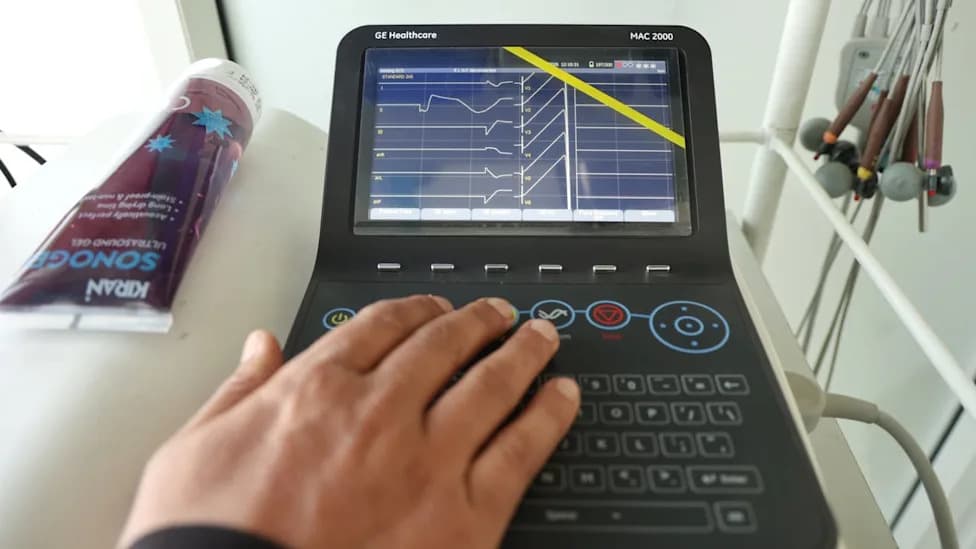
The ASPIRE pilot deployed an interactive clinical app and a WhatsApp chatbot across four hospitals in Zambia and Kenya to support antibiotic prescribing. Early results show fewer antibiotic prescriptions, about a five-fold increase in diagnostic testing, faster recoveries in some patients and cost savings. Clinicians reported improved adherence to guidelines and patients became better informed about antimicrobial use. Developers say the approach could help slow the growth of antimicrobial resistance if scaled up.
Phone Chatbot Cuts Unnecessary Antibiotic Use in Zambia and Kenya, Helping Fight Drug-Resistant Infections

An isolation ward at a hospital in Kenya
A phone-based chatbot and companion clinical app deployed under the ASPIRE pilot have helped clinicians in Zambia and Kenya prescribe antibiotics more accurately, developers say. The tools — an interactive decision-support app and a WhatsApp chatbot for clinicians, plus a patient-facing chatbot — were used by several hundred health workers across four hospitals and produced measurable improvements in prescribing, diagnostics and patient outcomes.
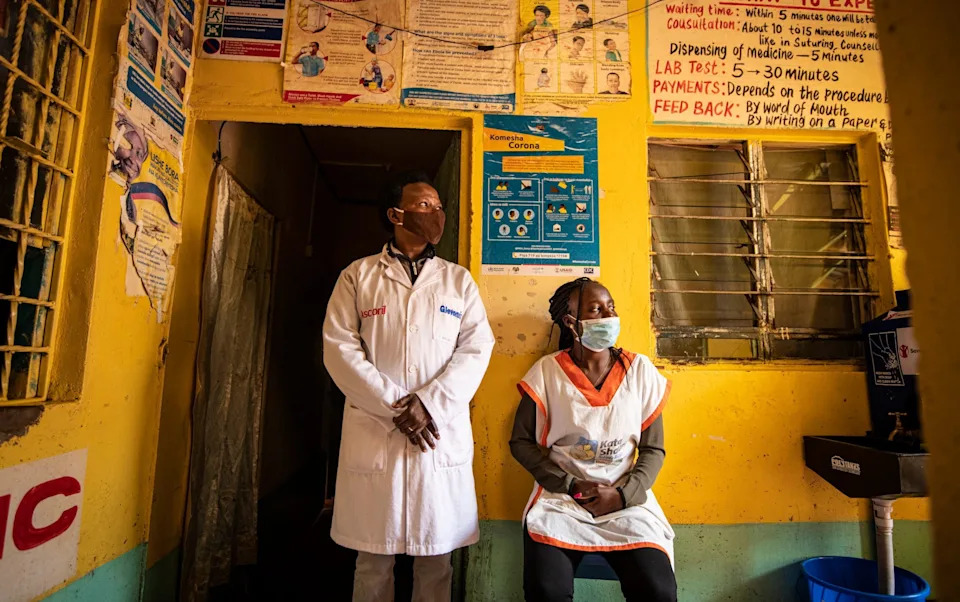
The tools are designed to guide medics as they do their rounds while also increasing their knowledge - Simon Townsley
About the Pilot
The Antibiotic Stewardship Programme through Innovation, Research, and Education (ASPIRE), supported by medical-research charity LifeArc and AMR network ReAct Africa, tested two complementary digital tools in four hospitals in Zambia and Kenya beginning in mid-2025. The aim: to reduce inappropriate antibiotic use and slow the spread of antimicrobial resistance (AMR) by delivering evidence-based guidance at the point of care.

AMR is linked to nearly five million deaths each year - Simon Townsley
Why This Matters
Anti-microbial resistance occurs when pathogens evolve so that medicines such as antibiotics no longer work. AMR is linked to nearly five million deaths each year and could rise substantially in the coming decades. Misuse and overuse of antimicrobials in human health and agriculture — for example, prescribing antibiotics when they are unnecessary, choosing the wrong drug, or using incorrect doses — are major drivers of resistance. With relatively few new antibiotics in development, improving how existing drugs are prescribed is a key strategy.
How the Tools Work
- Interactive Clinical App: Clinicians enter symptoms, vital signs and laboratory results and receive treatment options informed by national protocols and World Health Organization guidance.
- WhatsApp-Based Chatbot for Clinicians: Allows staff to ask natural-language questions about prescribing and get rapid, practical guidance during ward rounds.
- Patient Chatbot: Provides basic education on antimicrobials to help patients understand when antibiotics are needed and how to use them safely.
Results From the Pilot
Early findings from the pilot indicate several positive trends:
- Clinicians prescribed fewer antibiotics overall and were better able to tailor treatments to individual patients.
- Use of diagnostic laboratory tests increased by roughly five-fold, supporting more evidence-based prescribing.
- In some cases patients recovered faster and were discharged earlier, producing cost savings for hospitals and patients.
- Healthcare workers reported improved knowledge and adherence to treatment guidelines, while patients reported greater awareness of appropriate antimicrobial use.
"We clearly have seen an increase in the knowledge of healthcare workers in these facilities. We have seen an improvement in adherence to treatment guidelines and better patient outcomes," said Dr Hope Matafwali, a paediatrician at one of the Zambian hospitals.
Prof Mirfin Mpundu, director of ReAct Africa, added: "There was a lot of overprescribing in these institutions. These tools encourage use of diagnostics and support better prescribing decisions."
The pilot demonstrates that low-cost, widely available technology can strengthen antibiotic stewardship at the bedside. Developers say broader deployment and longer follow-up will be needed to confirm sustained reductions in inappropriate antibiotic use and measure long-term impact on AMR trends.
Help us improve.