Overview: Waymo reports large safety gains based on 220+ million driverless miles, and an IIHS study finds substantial reductions in injury crashes. However, incomplete national reporting — especially the lack of a standardized vehicle miles traveled (VMT) metric — prevents consistent crash-rate comparisons across companies. Experts call for standardized crash-logging practices and mandatory VMT disclosure to allow meaningful, comparable safety assessments.
Autonomous Vehicles' Blind Spot — Why Safety Claims Are Hard To Compare

Illustration: Sarah Grillo/Axios
The industry agrees that self-driving systems should outperform human drivers — but proving that is far more complicated than the claim suggests. Inconsistent reporting and missing context make it difficult to verify safety claims and build public trust in autonomous vehicles (AVs).
Why This Matters
Inconsistent data prevents researchers, regulators and the public from making apples-to-apples comparisons of AV safety. Without a common exposure metric and standardized crash details, headline safety claims are hard to evaluate or replicate.
What Companies Say
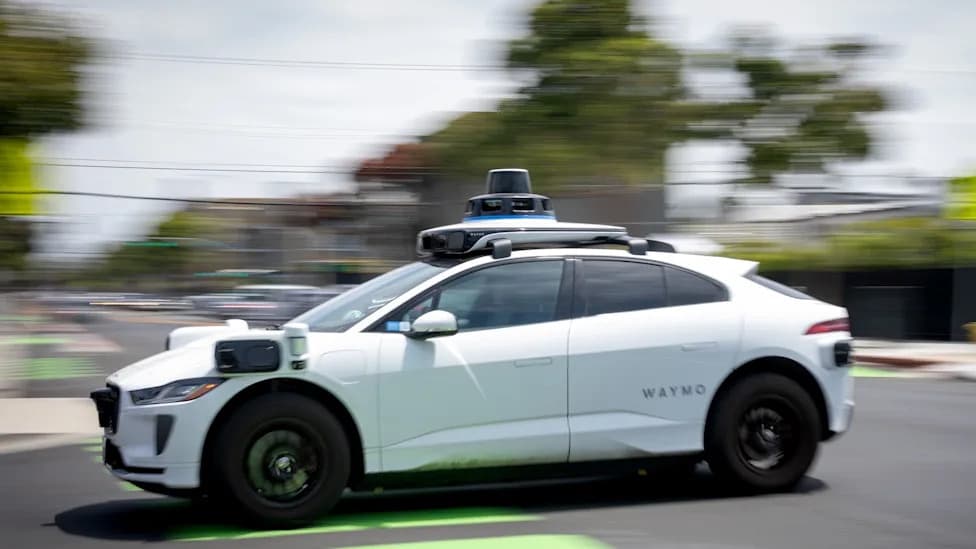
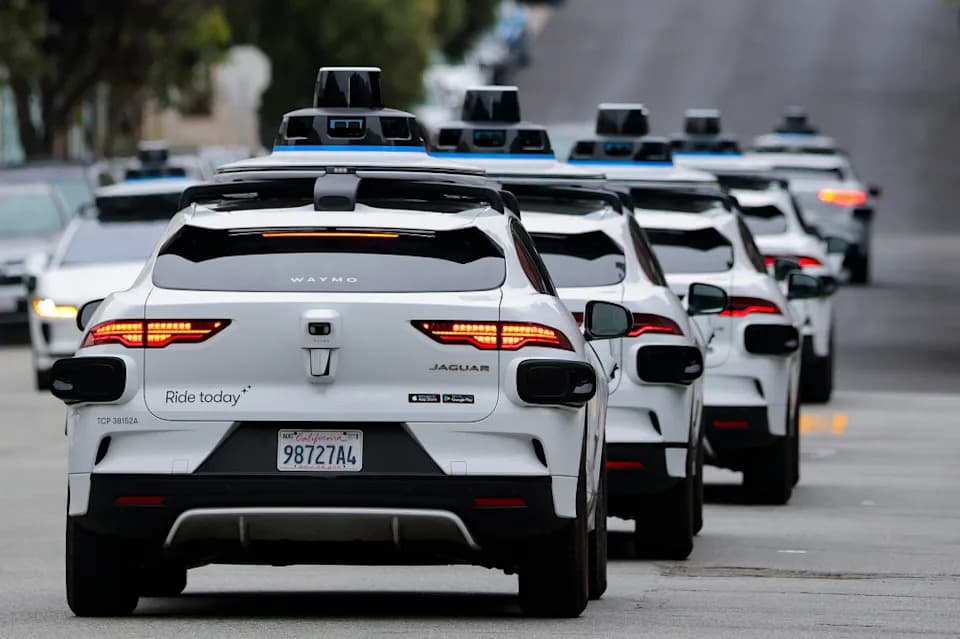
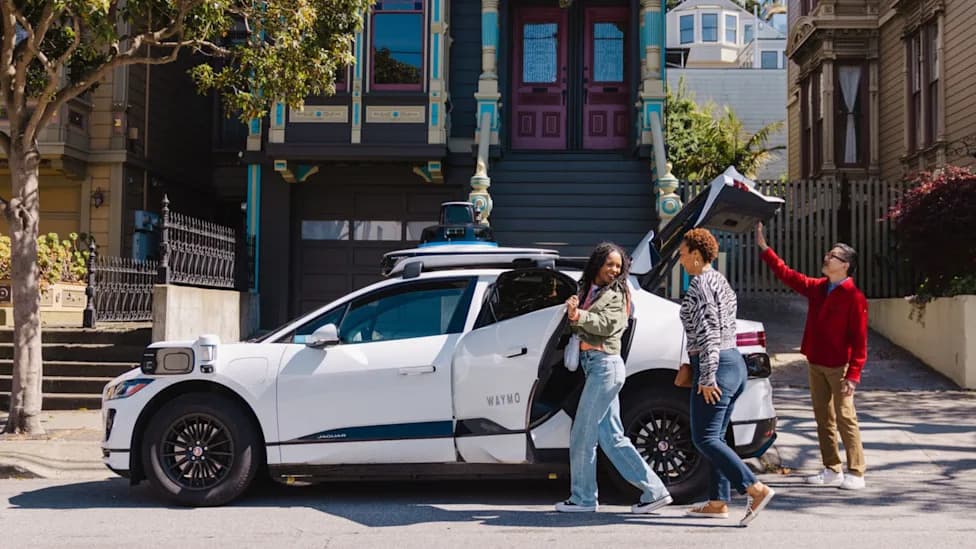
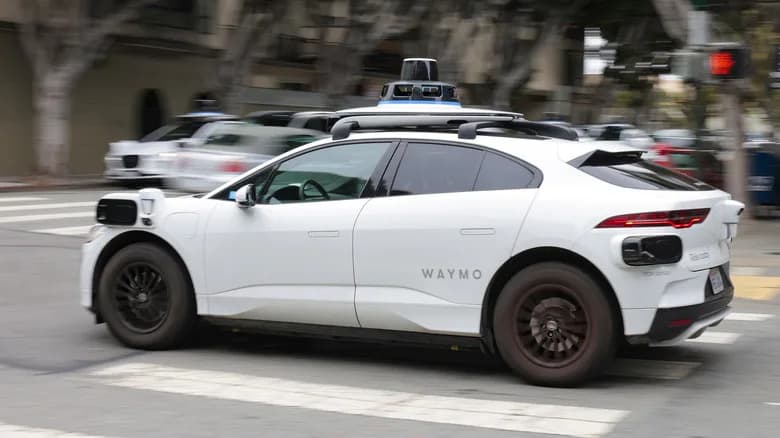
Waymo says its robotaxis are already safer than human drivers — claiming they are "more than 10 times safer than the average human driver." In peer-reviewed research drawing on more than 220 million driverless miles, Waymo reported a 94% reduction in crashes involving serious injury or worse and a 93% reduction in crashes involving pedestrian injuries.
Independent Findings and Limits
An independent analysis by the Insurance Institute for Highway Safety (IIHS) largely supports Waymo’s advantage, finding about 81% fewer injury crashes per mile for Waymo vehicles across four cities the institute studied. However, IIHS also identified a major blind spot: current AV reporting and national crash databases lack the context necessary for ongoing safety monitoring and fair comparisons.
National Database Shortcomings
Since 2021 the National Highway Traffic Safety Administration (NHTSA) has required companies to report incidents involving automated and assisted-driving systems to create a national record for spotting defects and enforcing recalls. But that database omits a standardized exposure measure — vehicle miles traveled (VMT) — and other crash details that researchers need to calculate crash rates and compare systems.
Waymo voluntarily shares VMT, enabling per-mile analyses like IIHS’s. Many other AV developers do not disclose VMT, so researchers lack the critical denominator needed to compute meaningful crash frequencies across companies and technologies.
Comparing AVs To Human Drivers Is Tricky
Even when VMT is available, matching AV crash figures against human-driver statistics remains difficult. IIHS notes that about half of all crashes — and roughly one-third of injury crashes — among human drivers go unreported to police, often because drivers want to avoid insurance-rate increases. Human-driver crash databases also use different injury definitions and severity scales, complicating direct comparisons.
When IIHS examined Waymo crashes in San Francisco, Phoenix, Los Angeles and Austin, it excluded roughly 25% of reported AV incidents because they were duplicates, occurred off public roads, or were incidents unlikely to generate a police report. Using the cleaned dataset, IIHS found Waymo vehicles had 68% fewer "police-reportable" crashes per mile than human drivers in those cities.
Recommendations And Next Steps
Researchers and safety experts urge that robotaxi crash reporting adopt the same standards used in other federal crash datasets — for example, logging airbag deployments and using established injury-severity scales. IIHS recommends that NHTSA require all AV companies to disclose VMT so crash frequency rates can be calculated consistently.
Waymo supports stronger reporting requirements: "More high-quality data is fundamental for building public trust in this technology and ultimately making roads safer for everyone," the company said. The Autonomous Vehicle Industry Association has proposed a national AV data repository, but related congressional legislation has not advanced.
Bottom line: AVs may be safer in some metrics, but better, standardized data collection and mandatory VMT disclosure are essential before safety claims can be reliably compared and validated.
Help us improve.