Minneapolis officials are considering the "Workers Drive Minneapolis" ordinance, which would require licensed human monitors to remain within reach of Waymo robotaxi controls and be paid at least minimum wage whenever autonomous rideshare vehicles operate. Waymo says the rule would effectively block fully driverless passenger service by making it economically unviable. Supporters frame the measure as both a public‑safety step and a way to protect driving jobs; critics point to evidence that some autonomous systems can reduce crash risk. A public hearing is set for September 22.
Minneapolis Proposal Would Require Human Monitors in Waymo Robotaxis to Protect Jobs and Safety
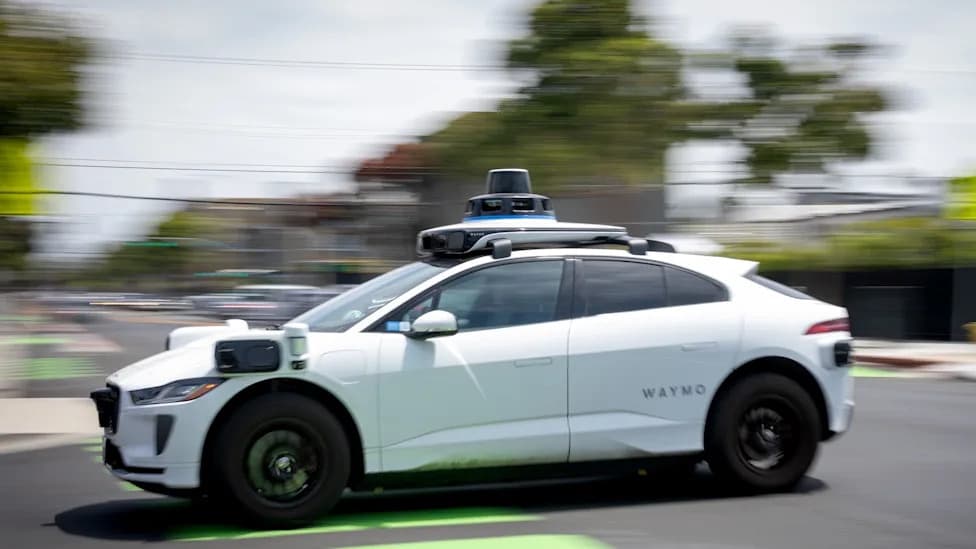
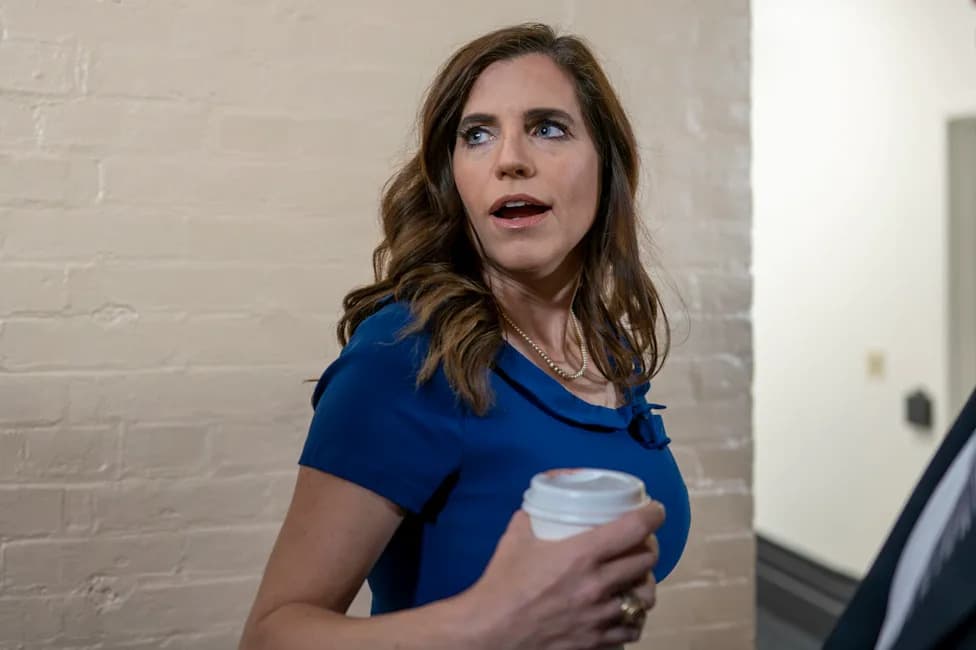
Heather Diehl/Getty Images
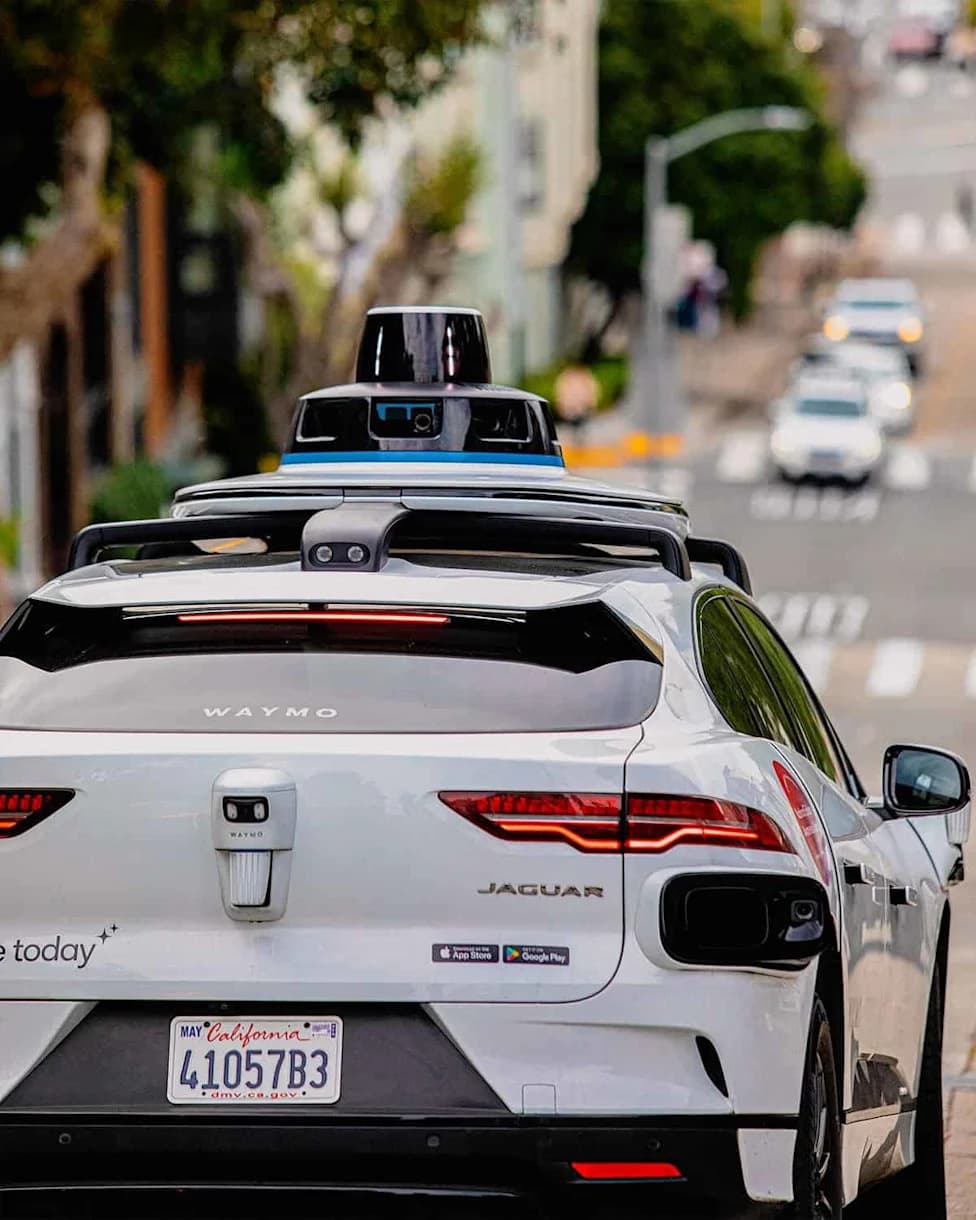
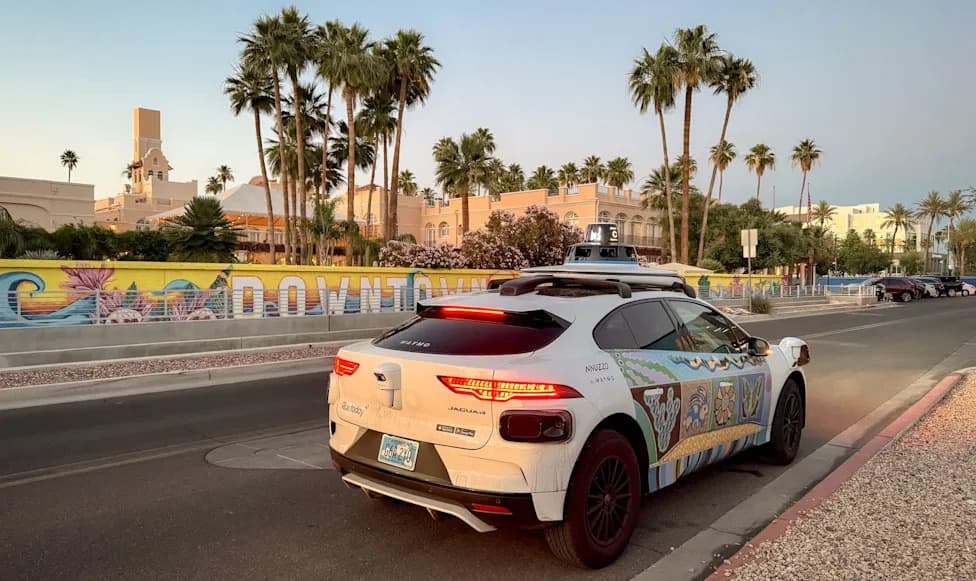
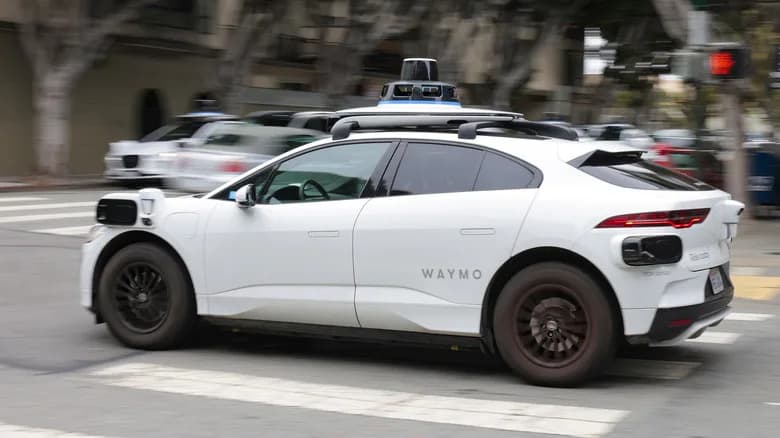
Minneapolis city leaders are weighing a novel ordinance that would require a human monitor to remain within immediate reach of a robotaxi's controls whenever autonomous rideshare vehicles operate in the city. The measure, called "Workers Drive Minneapolis," aims to combine public-safety provisions with protections for driving jobs as companies like Waymo expand their self‑driving fleets.
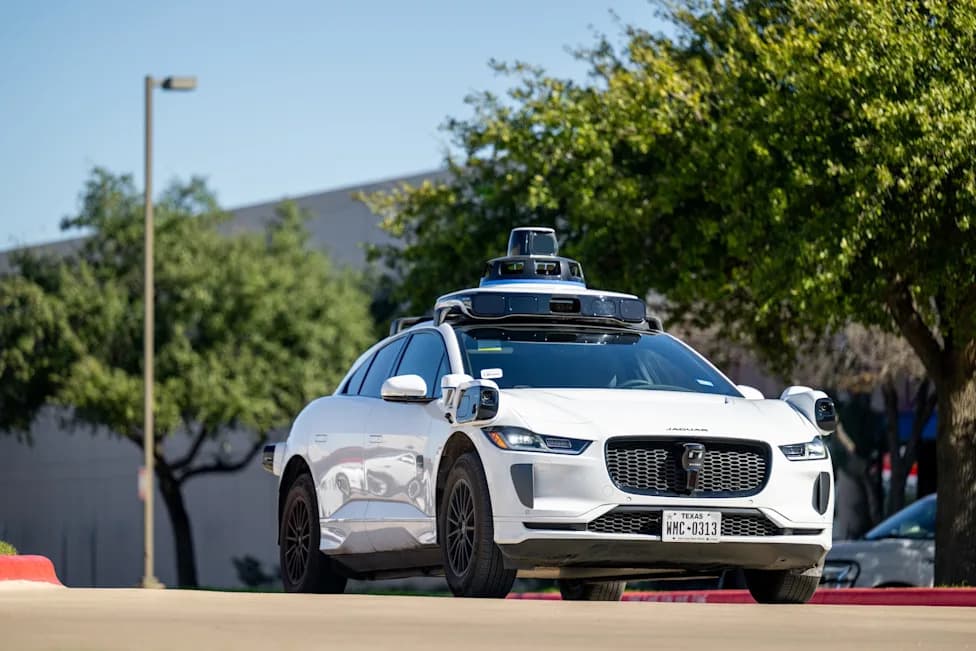
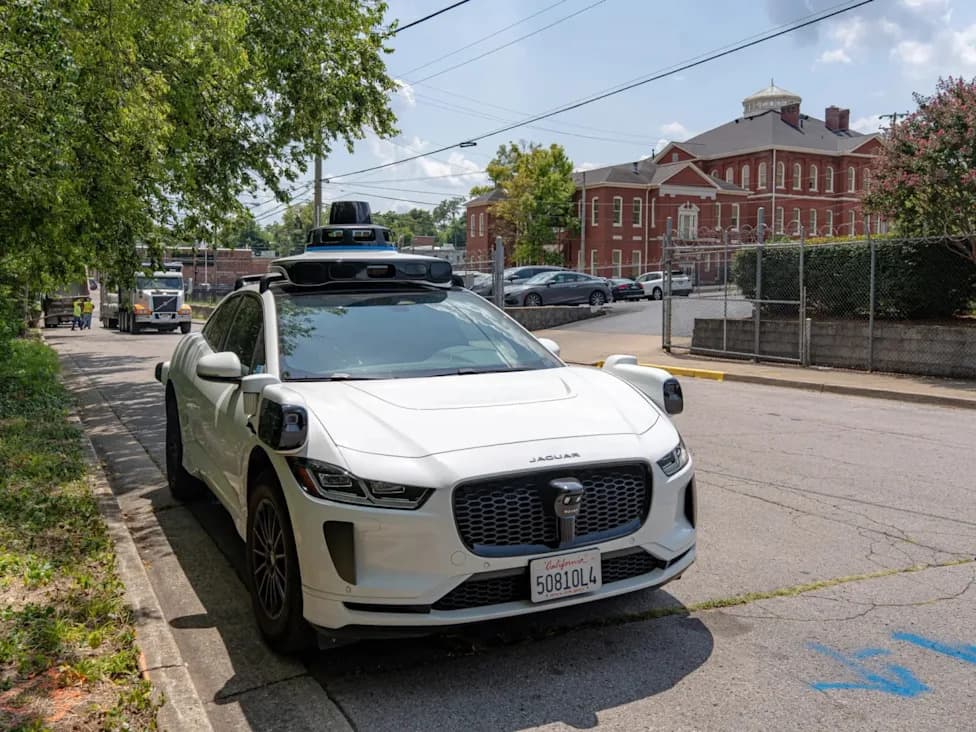
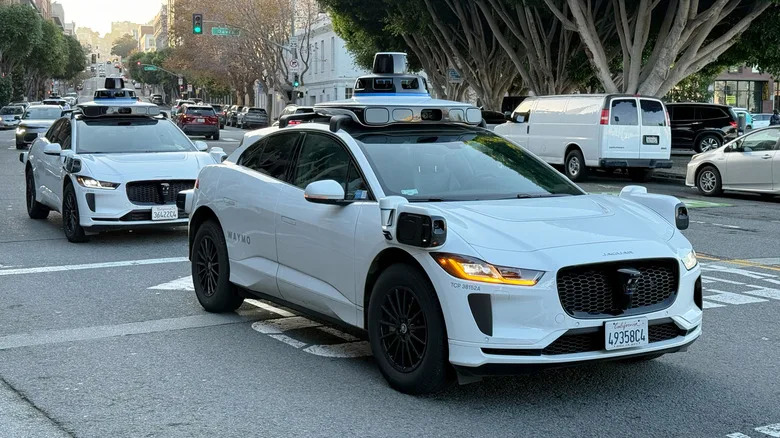
Waymo is already testing in Minneapolis. During this early phase the vehicles do not carry passengers; a human occupant sits in the driver's seat either actively driving while the vehicle gathers data or supervising its autonomous systems. The proposed rule would not change how Waymo currently runs those tests, but it could significantly affect any future passenger service.
According to local reporting, the ordinance would require autonomous rideshare operators to obtain a city license before beginning passenger service. The more unusual element is the mandate that a licensed driver be within immediate reach of the controls at all times and be paid at least the applicable minimum wage while on duty. City Council Member Robin Wonsley framed the proposal as both a safety measure and a way to protect immigrant and other local workers from being displaced by automation.
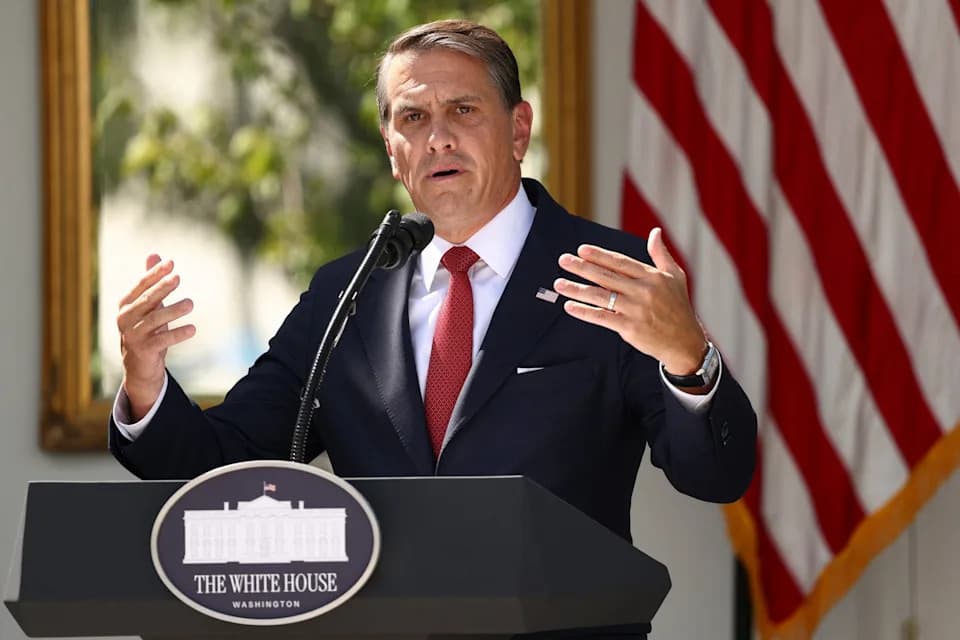
Michael Vi/Getty Images
"Workers Drive Minneapolis is about public safety and protecting immigrant workers from losing their jobs to automation," Wonsley said. "Without it, Minneapolis workers and residents are vulnerable to all the negative impacts of robotaxis without any regulations or accountability mechanisms in place."
Supporters emphasize services human drivers provide that current robotaxis cannot: assisting intoxicated riders, helping elderly passengers with groceries, and offering human judgment and companionship. Abdullahi Abshair, a three‑year rideshare driver and member of SEIU Local 26's Rideshare Driver Organizing Committee, told reporters that keeping humans behind the wheel is both safer and better for the community.
"As a driver, I have helped passengers who are intoxicated get home safely, helped elderly passengers with groceries, listened to passengers who are sad and helped make their days better. Robotaxis can't do those things," Abshair said.
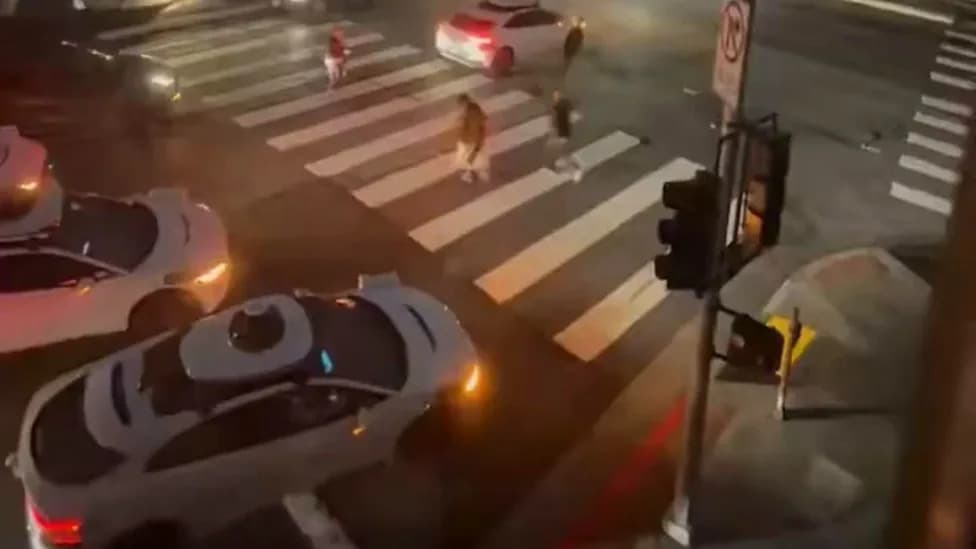
Waymo has criticized the proposal, saying it would amount to "a de facto ban on autonomous vehicles" because the added labor costs and operational constraints could undermine the economics of fully driverless service. The debate over safety is mixed: critics point to incidents in other cities where autonomous vehicles congested roads, impeded emergency responders, or failed to stop for school buses, while organizations such as the Insurance Institute for Highway Safety (IIHS) argue that robotaxis can be safer than human drivers overall.
Minneapolis will hold a public hearing on the proposal on September 22. Supporters say the ordinance demonstrates a middle path between outright banning robotaxis and allowing unfettered deployment without labor protections or added local oversight.
Help us improve.