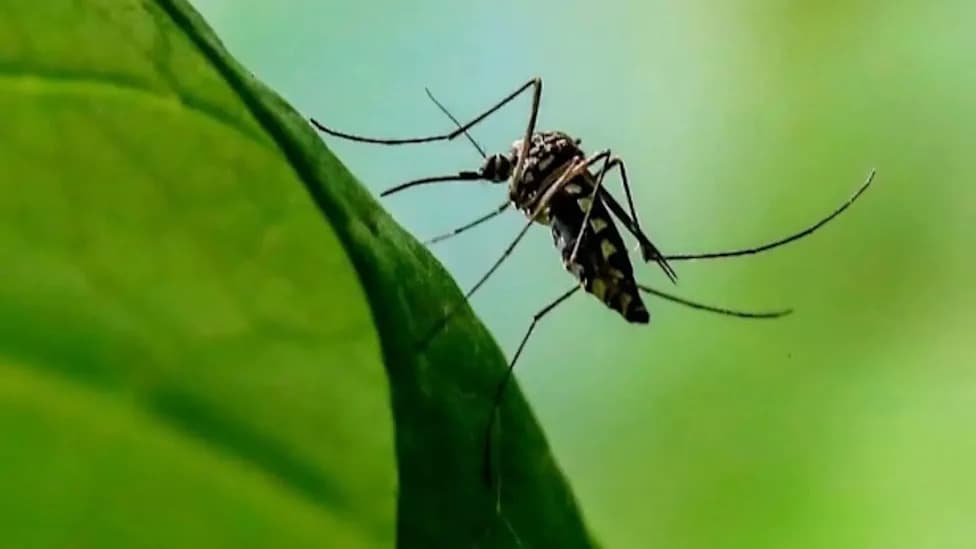
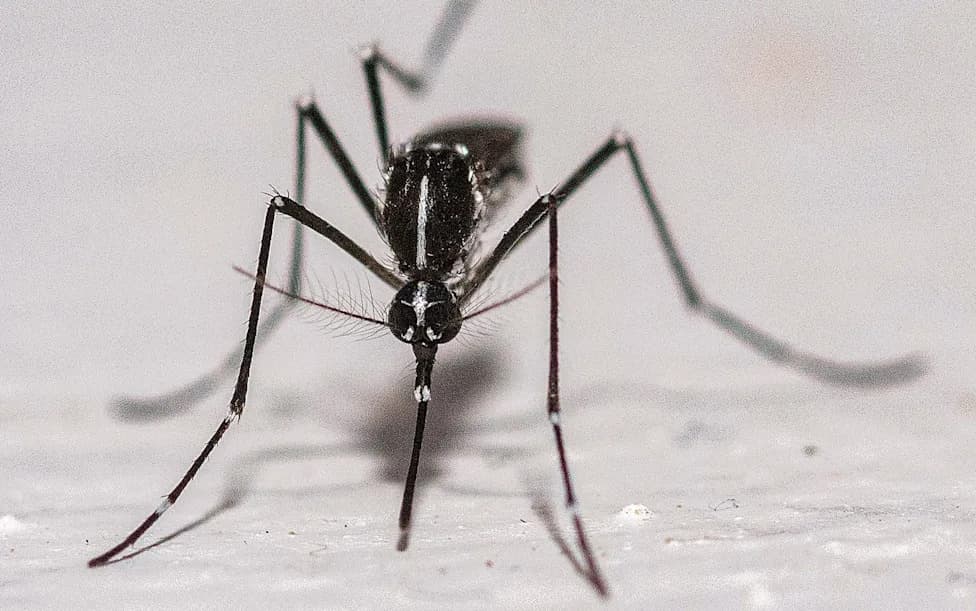
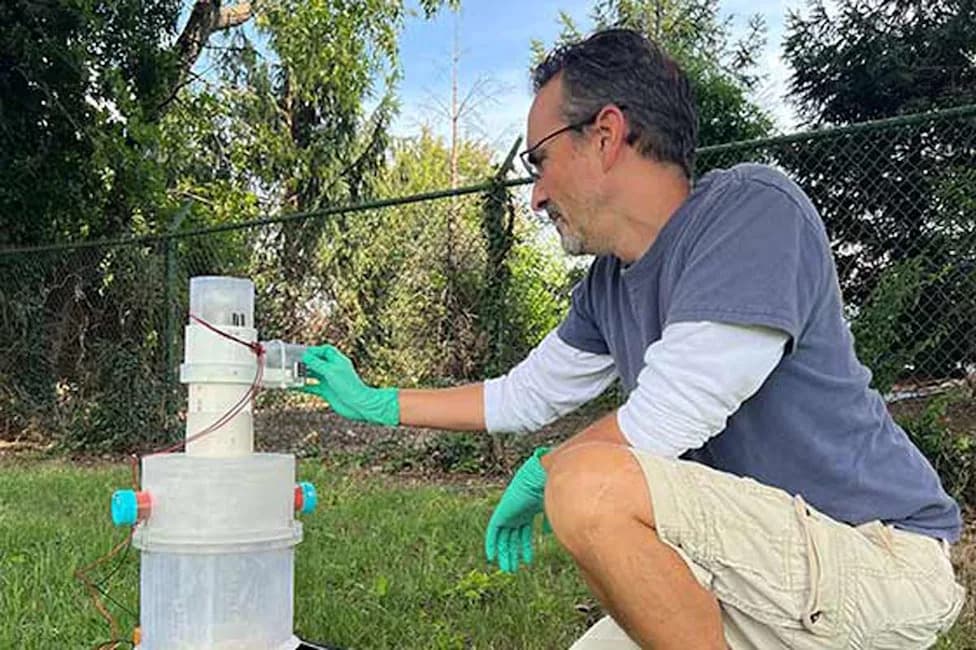
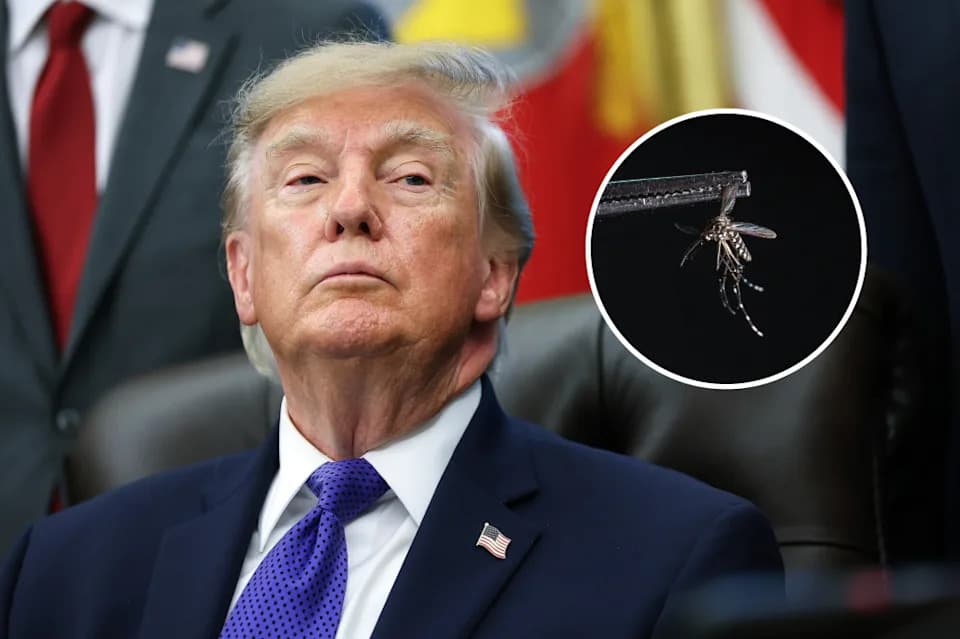
Google's Debug program has applied to the EPA for an experimental permit to release up to 64 million Wolbachia-treated male Culex quinquefasciatus mosquitoes across Florida and California over two years. The approach uses a naturally occurring bacterium to produce incompatible matings so eggs fail to develop, aiming to reduce mosquito populations without pesticides. The EPA has not approved the request; the public comment period closed on June 5, 2026. Experts say the scale and corporate sponsorship raise ecological uncertainties and governance questions that merit careful review.
Google Seeks EPA Permit To Release 64 Million Wolbachia-Treated Mosquitoes In Florida And California
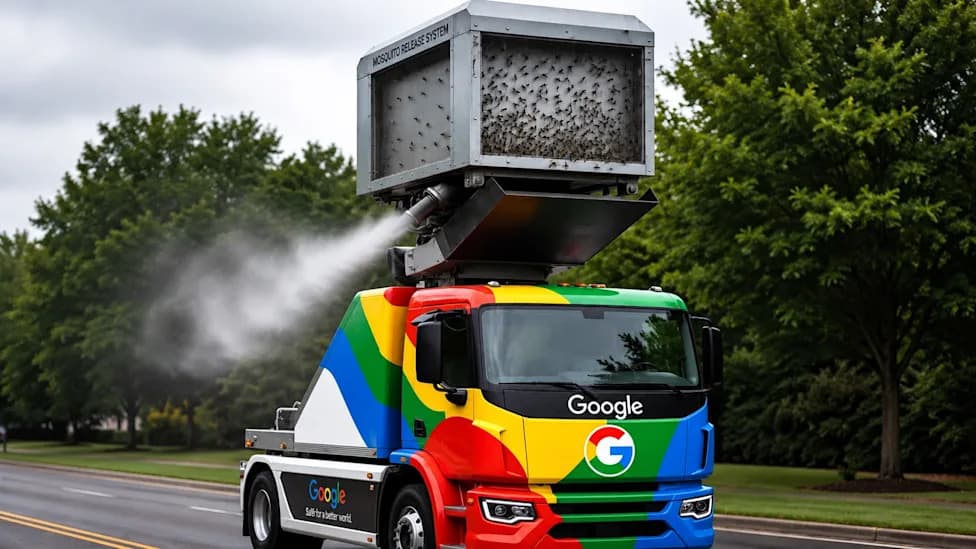
Image: X/@MattWallace888
Google's Debug program has applied for an EPA experimental-use permit to release up to 64 million Wolbachia-treated male Culex quinquefasciatus mosquitoes across Florida and California over two years. The company says the approach would reduce local mosquito populations without pesticides; regulators and critics warn the scale raises ecological and governance questions.
What Google Proposes
The permit application requests authorization to release as many as 16 million treated male mosquitoes per state per year (up to 64 million total across both states over two years). The EPA has not approved the request; the public comment period closed on June 5, 2026, and the agency may approve, deny, or impose conditions on any permit it grants.
How The Technique Works
Wolbachia is a naturally occurring bacterium carried by many insect species. The planned method relies on releasing only male mosquitoes, which do not bite humans. When Wolbachia-infected males mate with wild (uninfected) females, the eggs typically fail to develop — a phenomenon known as cytoplasmic incompatibility. Because Wolbachia is generally maternally transmitted, males do not pass the bacterium to offspring, and advocates say this reduces populations without establishing a permanent infection in the wild.
Why This Proposal Stands Out
Wolbachia-based releases have been trialed before at smaller scales and in other regions, but this application is notable for its scale — millions of insects over multiple states — and for the involvement of a major technology company. The experimental-use permit process exists because open-air biological interventions carry uncertainties that are difficult to fully predict or reverse.
Key Concerns And Unknowns
No Short-Term Rollback: Once released, these mosquitoes cannot be recalled. Any unexpected outcomes would be difficult to reverse quickly.
Other concerns cited by experts and critics include potential ecosystem impacts (for species that prey on mosquitoes), long-term population dynamics, possible interactions with local strains of Wolbachia, and whether an independent expert review has adequately assessed the specific application. Public records available as of the permit filing do not clearly show a completed independent review tailored to this large-scale proposal.
What Happens Next
The EPA will consider the application, any public comments submitted before the June 5, 2026 deadline, and supporting scientific materials before making a decision. The agency may approve the permit outright, impose conditions to limit scope or monitoring, or deny it. Observers note the decision could set an important precedent for how the U.S. regulates large-scale biotech vector-control efforts.
Bottom Line: The technique is scientifically established in principle and has potential public-health benefits, but the proposed scale and corporate sponsorship make independent review, transparent risk assessment, and clear oversight especially important.
Help us improve.