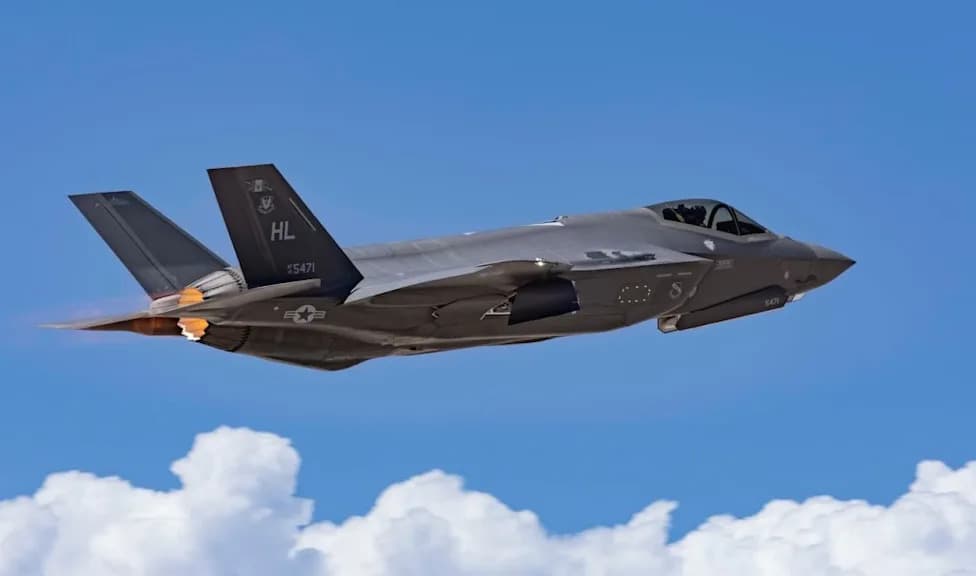
Singapore has opened early, informal talks with GCAP partners to study sixth‑generation fighter technologies without committing to buy the Tempest. The RSAF remains focused on integrating 12 F-35Bs and 8 F-35As, with the first F-35Bs training in the U.S. and arriving in Singapore from 2029. GCAP—led by the UK, Japan and Italy—aims to field a crewed Tempest and a networked AI-enabled combat ecosystem by about 2035. Analysts say Singapore is likely to pursue observer status initially while it continues long-term planning and regional industrial cooperation.
Singapore Opens Exploratory Talks on GCAP as It Eyes Sixth‑Generation Fighter Capabilities
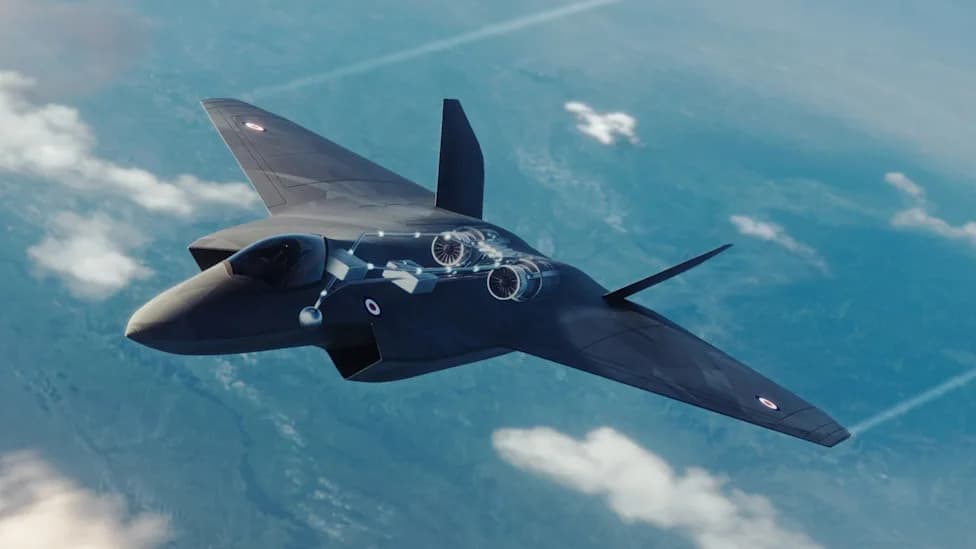
Rolls-Royce delivering critical propulsion milestones and utilising lessons learnt through the Orpheus demonstrator to progress the design of the GCAP engine demonstrator.
Singapore has begun informal, exploratory discussions to assess possible involvement in the Global Combat Air Programme (GCAP), sources say. The government has not committed to joining GCAP or buying the Tempest crewed fighter; the outreach instead reflects Singapore's long-term, research-driven approach to future fighter procurements.
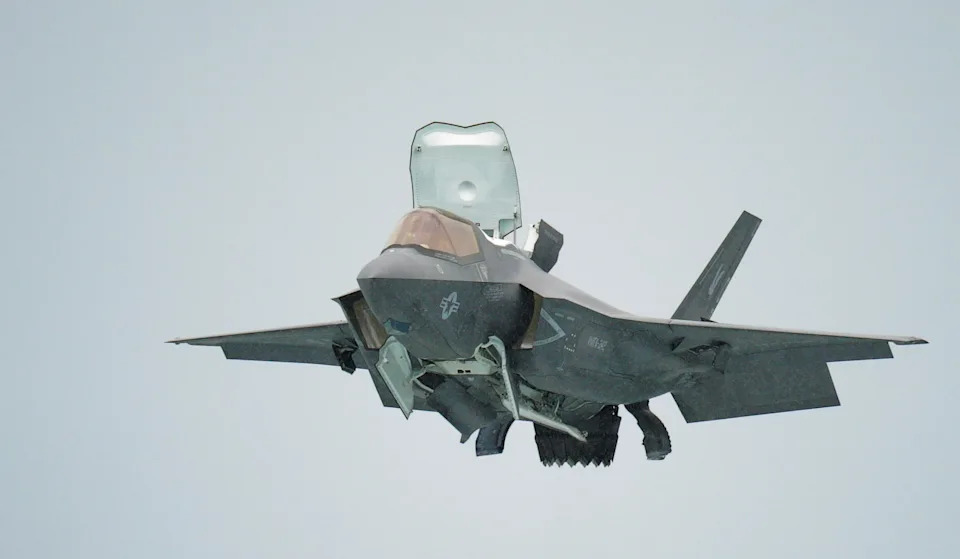
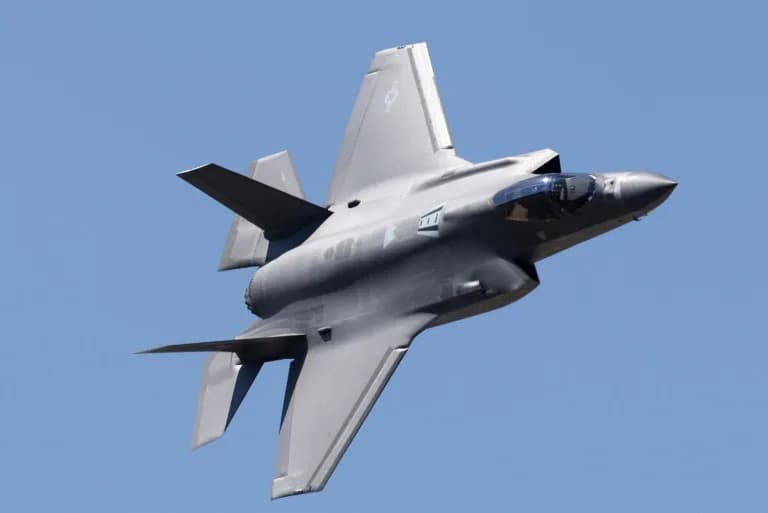
A U.S. Marine Corps F-35B assigned to Marine Fighter Attack Squadron 242, Marine Corps Air Station, Iwakuni, conducts an aerial demonstration during the Singapore Airshow 2022 at Changi Exhibition Center, Republic of Singapore.U.S. Air Force photo by Master Sgt. Richard P. Ebensberger
What GCAP Is
GCAP is a joint next-generation air-combat initiative led by the United Kingdom, Japan and Italy that aims to field the Tempest crewed fighter and an integrated air-combat ecosystem—advanced sensors, AI-enabled systems, networked weapons and autonomous 'loyal wingman' platforms—around 2035. After the collapse of the pan-European Future Combat Air System (FCAS), GCAP is the leading Western sixth-generation fighter effort outside the United States.
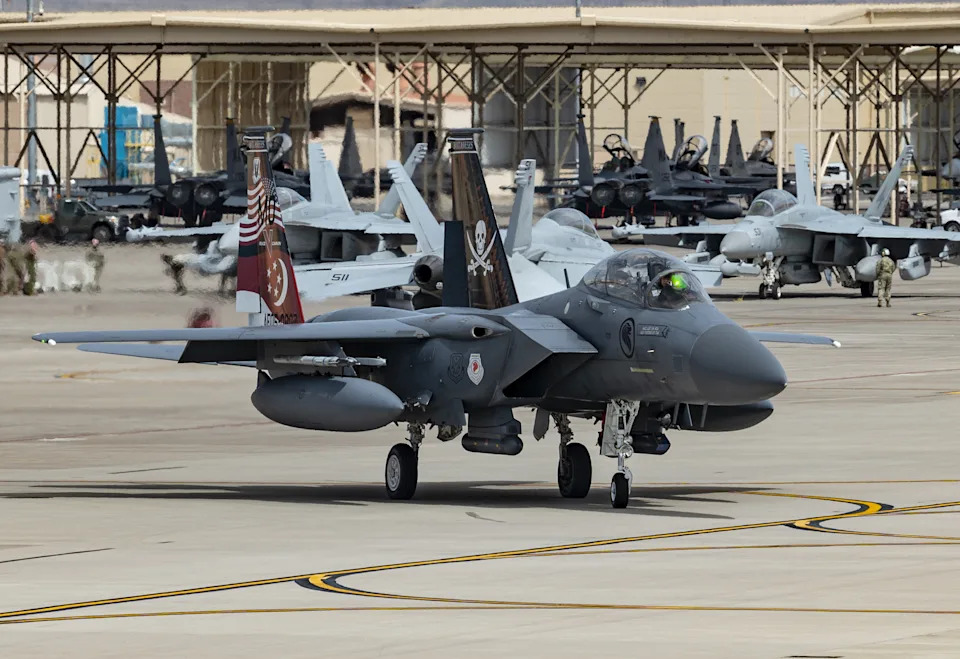
An F-15SG, assigned to the 428th Fighter Squadron, Mountain Home Air Force Base, Idaho, taxis out to take part in a Red Flag 21-2 mission at Nellis AFB, Nevada, in 2021.U.S. Air Force photo by William R. Lewis
Where Singapore Stands
Officials describe Singapore's contacts with GCAP partners as exploratory: Singapore is gathering information rather than negotiating formal membership. That stance aligns with the Republic of Singapore Air Force's (RSAF) near-term priorities, notably integrating incoming F-35 aircraft and upgrading current fleets.
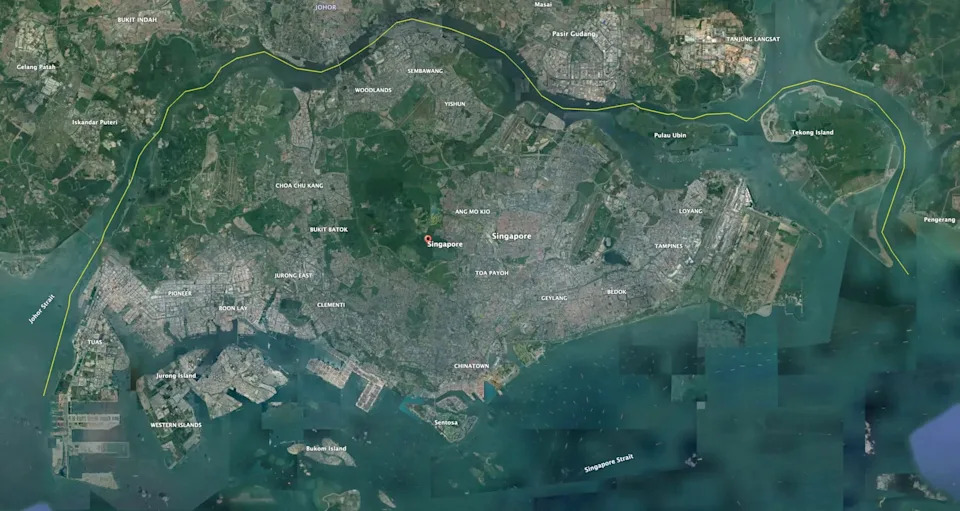
A satellite view of Singapore reveals just how small it is.Google Earth
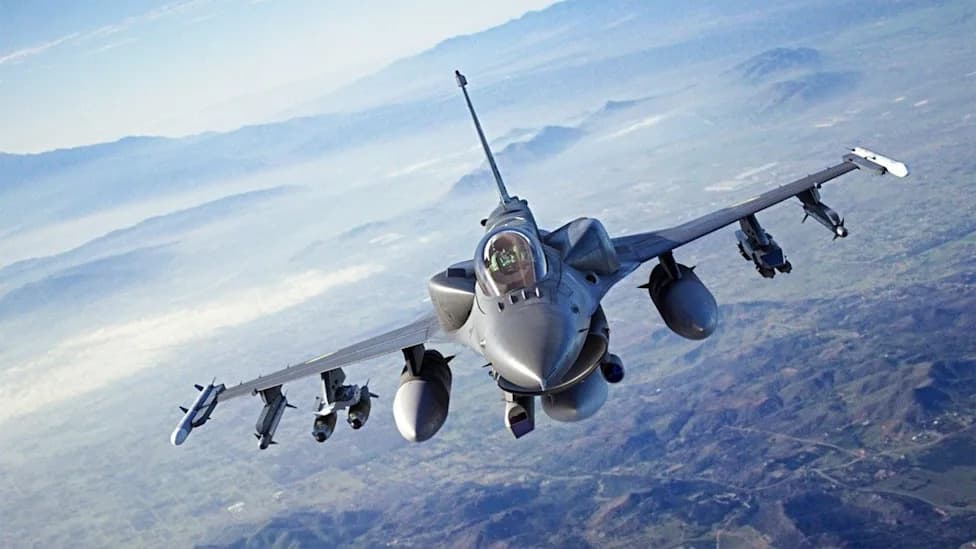
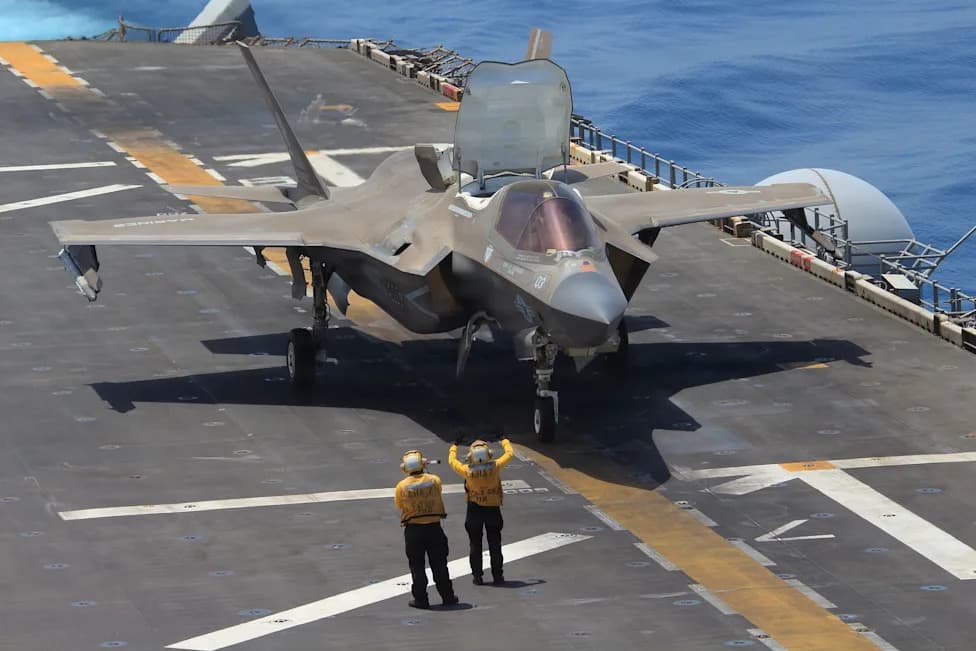
The RSAF today fields a modern combat force including 40 F-15SGs and 49 F-16C/Ds (Block 52 and Block 52+). Singapore plans to add 12 short‑takeoff/vertical‑landing F-35Bs and 8 conventional F-35As; the F-35Bs are due to begin delivery first, with training initially based at Ebbing Air National Guard Base in Arkansas and the first jets scheduled to be stationed in Singapore from 2029.
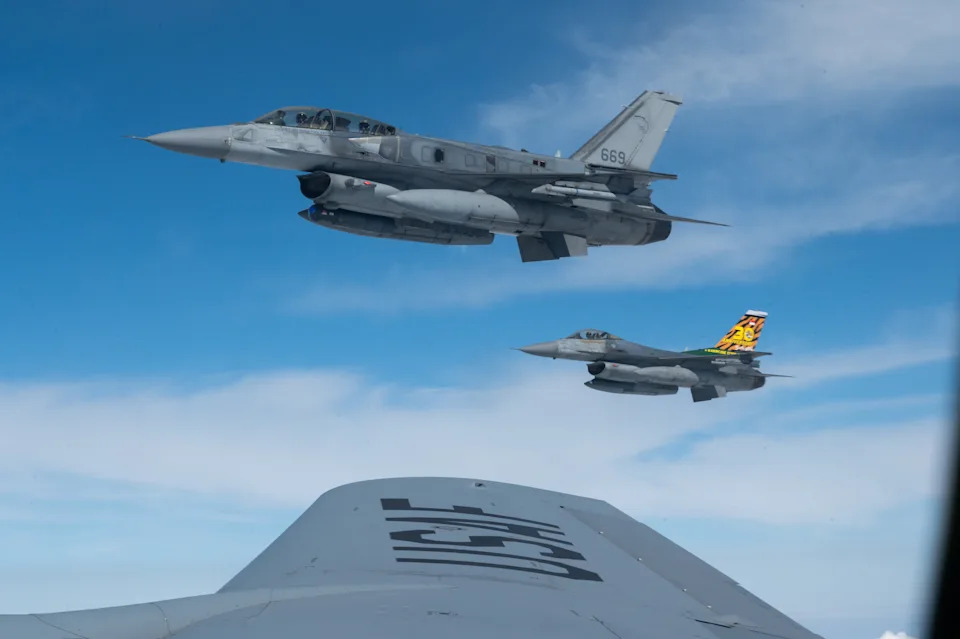
Two Republic of Singapore Air Force F-16s fly alongside a Washington Air National Guard KC-135 Stratotanker during Cope Tiger 2024, Korat Royal Thai Air Base, Thailand, in 2024.U.S. Air Force photo by Tech. Sgt. Hailey Haux
Training and Infrastructure Preparations
Singapore's small geographic footprint—less than 280 square miles—creates unique training and noise-management challenges. To prepare for F-35 operations, the RSAF is extending the runway on Pulau Sudong from roughly 6,500 feet to about 9,800 feet, with completion expected by 2028. This expansion aims to reduce noise in populated areas and expand domestic training capacity.
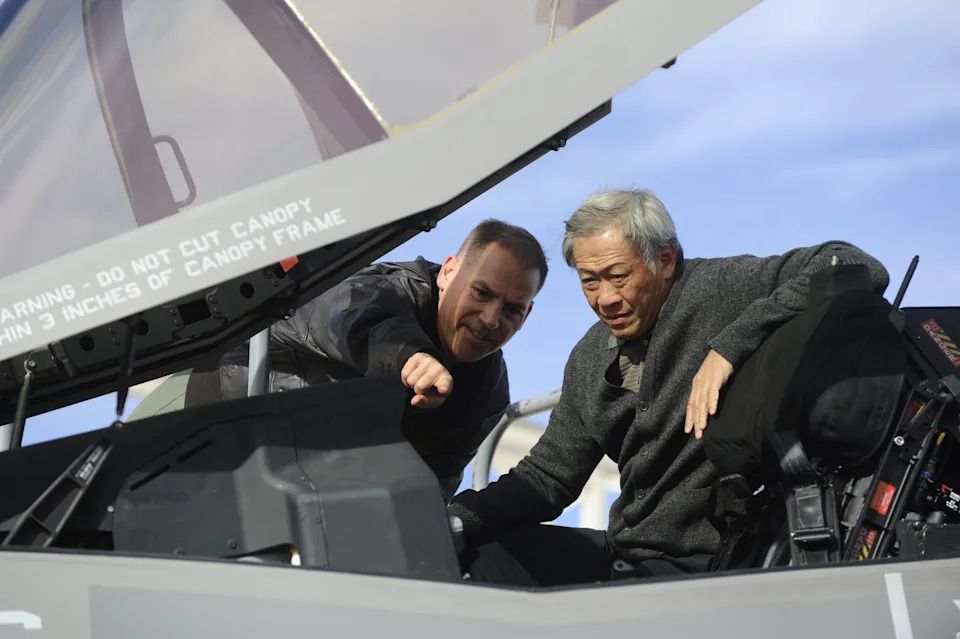
U.S. Marine Corps Lt. Col. Steve Gillette, VMFA-121 squadron commander, explains the capabilities of the F-35B to Dr. Ng Eng Hen, then the Singapore minister of defense, at Luke Air Force Base, Arizona, in 2013.U.S. Air Force photo by Senior Airman Jason Colbert
Procurement Posture and Possible Paths
Singapore typically engages with major defence programs many years before committing. The republic joined the F-35 program as a Security Cooperative Participant (SCP) in 2003 and placed its first F-35 order in 2020—demonstrating a patient, long-range procurement timeline. Analysts expect any deeper GCAP participation to be years away; an initial observer role would let Singapore monitor governance, technology direction and workshare opportunities without early heavy financial commitments, similar to Canada's recent observer arrangement.
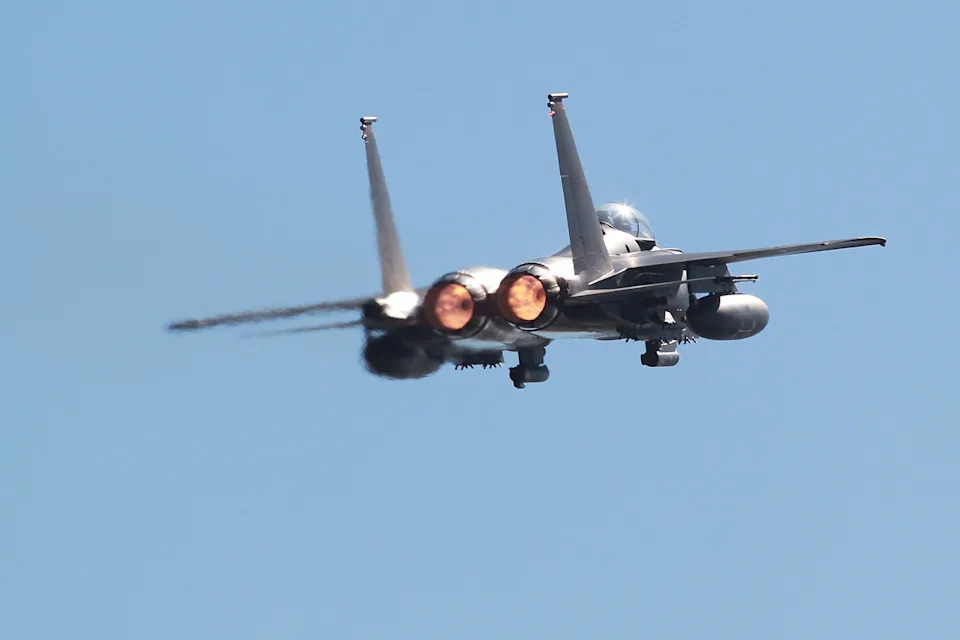
A Republic of Singapore Air Force F-15SG.Australian Department of Defense
"Singapore doesn't have the deep technological base of GCAP's lead partners, so observer status would match its cautious and non-committal approach," said Roy Choo, defence journalist and contributor to The War Zone.
Strategic Context and Regional Cooperation
Strategic concerns also shape Singapore's interest: rising anti-access/area-denial (A2/AD) capabilities in the South China Sea and advances by the People’s Liberation Army Air Force make planning for next-generation air capability prudent. Singapore recently signed an Industrial Base Resiliency Arrangement (IBRA) with Australia to deepen defence-industrial cooperation, enabling cross-sustainment, streamlined equipment transfers and joint supply-chain resilience. Common platforms discussed regionally include unmanned systems such as the MQ-28 Ghost Bat and maritime patrol types like the P-8A, which could enhance interoperability with Australia.
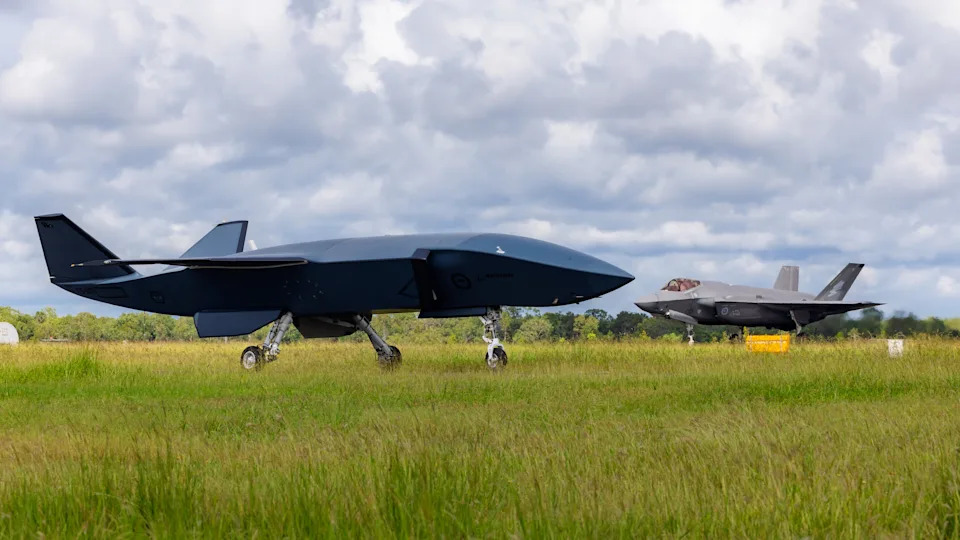
An MQ-28A Ghost Bat on the tarmac as a Royal Australian Air Force F-35A taxis during Exercise Carlsbad at RAAF Base Tindal.Australian Department of Defense
In short, Singapore's reported outreach to GCAP is the first public indication that it is formally examining links to a Western sixth-generation fighter programme. Whether that leads to a Tempest purchase, a workshare role or only ongoing observation remains uncertain, but the move is consistent with Singapore's pattern of long-term study and cautious engagement on major defence programs.
Contact the author: [email protected]
Help us improve.