The regional conflict tied to the Iran war has driven diesel and shipping costs sharply higher, triggering a rapid rise in building-material prices and halting many construction projects in government-held areas of Yemen. Daily-wage workers have lost months of income and reduced their asking rates, while contractors and homeowners pause or scale back projects. Houthi-controlled areas have so far avoided comparable price spikes, highlighting the country’s split economy and its vulnerability from importing nearly 90% of domestic needs.
Fuel Prices Skyrocket Amid Regional War, Stalling Yemen’s Construction Sector
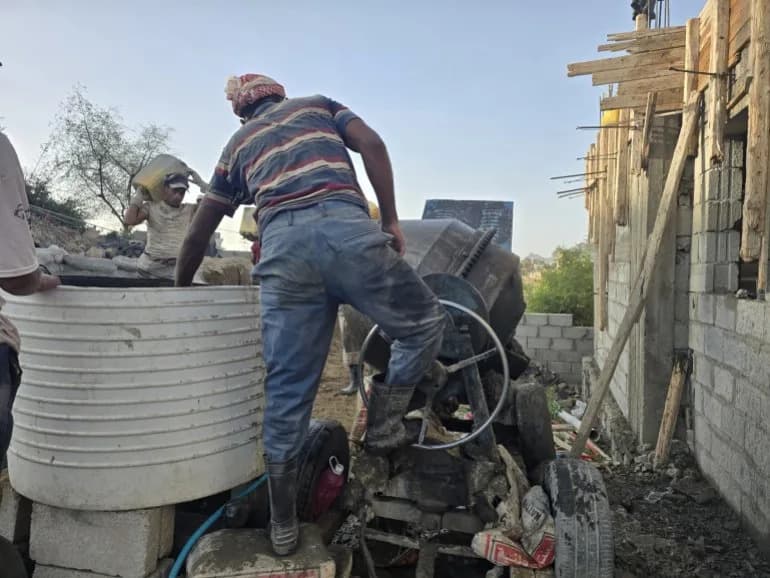
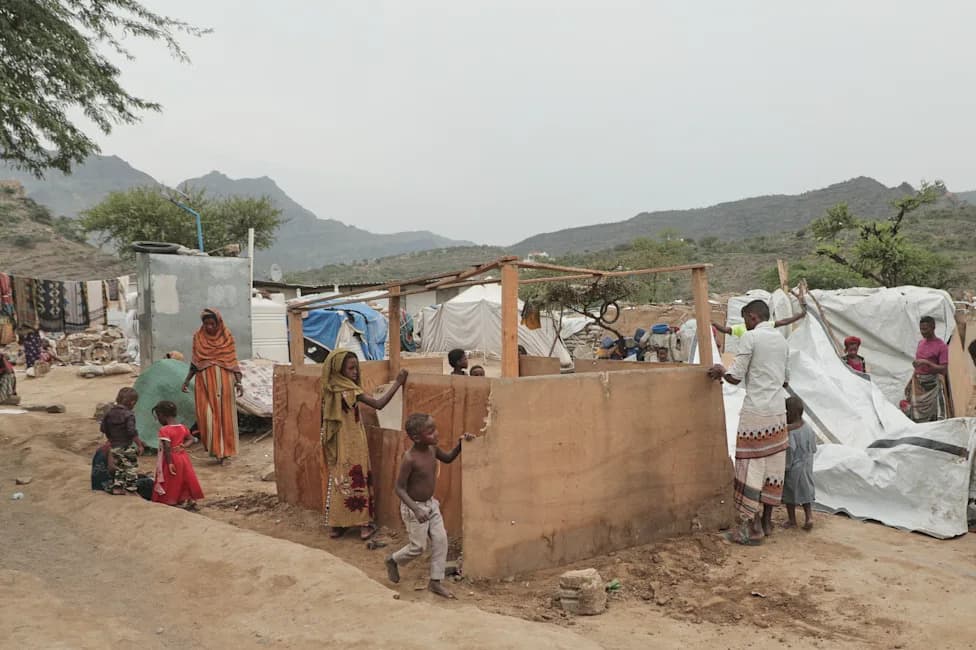
Construction projects in government-controlled parts of Yemen have slowed down, or stopped completely, because of a rise in costs [Nasser Al-Sakkaf/Al Jazeera]
Taiz, Yemen — Fuad Mohammed, a 46-year-old construction labourer with more than 25 years' experience, says work has steadily deteriorated since the country’s civil war began and has worsened further after the recent US–Israel–Iran escalation in late February. "We can barely eke out a living for our families," Fuad told Al Jazeera.
Fuel Shock Triggers Domino Effect
The regional conflict has pushed up global fuel and shipping costs, hitting government-controlled areas of Yemen hard. In January, 20 litres (5.3 gallons) of diesel cost 25,000 Yemeni riyals (about $17); it now costs around 45,000 riyals (roughly $30). That sharp rise has driven up transport and material costs, forcing many building projects in eastern and southwestern government-held areas to halt.
Local Price Increases
Simple construction inputs have surged: a truckload of sand rose from 130,000 riyals (about $87) to 190,000 riyals (roughly $127), and one metre of window glass climbed from 90,000 rials (around $60) to 130,000 rials (about $87). Contractors and homeowners are pausing work, leaving daily-wage labourers without steady income.
"The price hikes in building materials have frustrated both homeowners and construction labourers. Those who want to build find that their budgets are no longer enough, and we are left with no work," Fuad said.
Human Cost
Dependent entirely on daily wages, Fuad has sometimes gone months with little or no work. He has cut his daily rate from 25,000 rials ($17) to 20,000 rials ($13) in a bid to find work. Others who saved to build homes, like Lutf Zuraiqi, have paused projects until prices stabilize.
Economic Drivers And Regional Dynamics
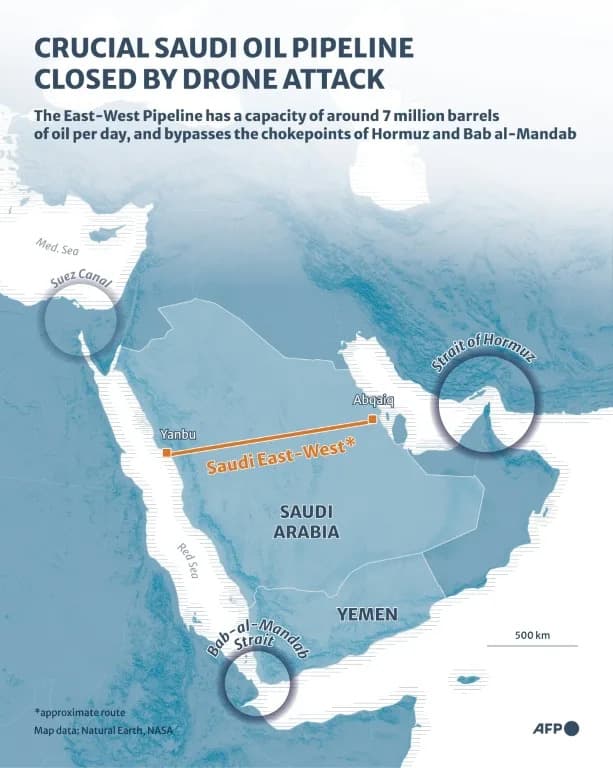
An Aden-based official at the Yemen Petroleum Company told Reuters the diesel spike stems from a worsening supply crisis, higher global fuel prices, disruptions linked to the Strait of Hormuz and rising transportation and marine insurance costs. The official called the measure temporary and tied to the wider crisis.
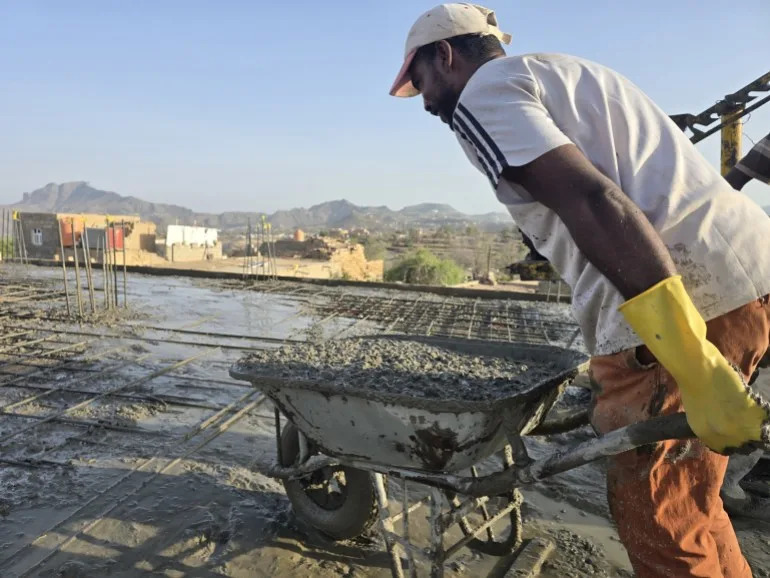
Construction labourers pour a concrete roof in Taiz governorate amid rising building material costs [Nasser Al-Sakkaf/Al Jazeera]
Wafeeq Saleh, executive director of the Taiz Center for Yemeni-Gulf Studies, noted Yemen’s exposure: "Any disruptions in global commodity markets directly affect the local market because Yemen imports nearly 90 percent of its needs." The country’s split economy — with separate central bank operations and exchange rates in Aden and Sanaa — deepens the divergence.
Different Experiences Across Yemen
In Houthi-controlled areas, including Sanaa, fuel prices have not risen as sharply so far. Houthi areas report around 9,500 rials for 20 litres of diesel, which converts to roughly $18 at the Sanaa exchange rate. Saleh suggested this may reflect existing inventories, but warned the impact could emerge when new imports arrive at higher global prices.
The Houthis have also escalated attacks on shipping in the Red Sea after earlier staying out of the regional conflict. Those strikes, combined with tensions in the Strait of Hormuz, have disrupted oil transportation and helped push global oil prices above $100 a barrel for the first time since May.
Industry Responses
Some contractors, like Mohammed Jameel, have trimmed profit margins and reduced rates to keep projects moving. Jameel—who has worked in construction for more than four decades—warns that materials historically trend upward and advises hesitant homeowners to continue building if they can afford to do so.
For many daily labourers and small homeowners, however, the immediate outlook is bleak: paused projects, depleted savings and shrinking opportunities for paid work until prices and regional conditions stabilize.
Help us improve.