Drought and record heat have driven Colorado River reservoirs to historically low levels—Lake Powell was 23.4% full on July 19 and Lake Mead was about 1,041 feet on July 28. Las Vegas draws roughly 90% of its water from Lake Mead, but decades of conservation have reduced regional water use by about 40% since 2002. Still, a requested 28% Colorado River cut for Nevada and the river’s importance to western agriculture mean long‑term risks remain.
Is Las Vegas Running Out of Water? How Conservation Keeps the City Afloat
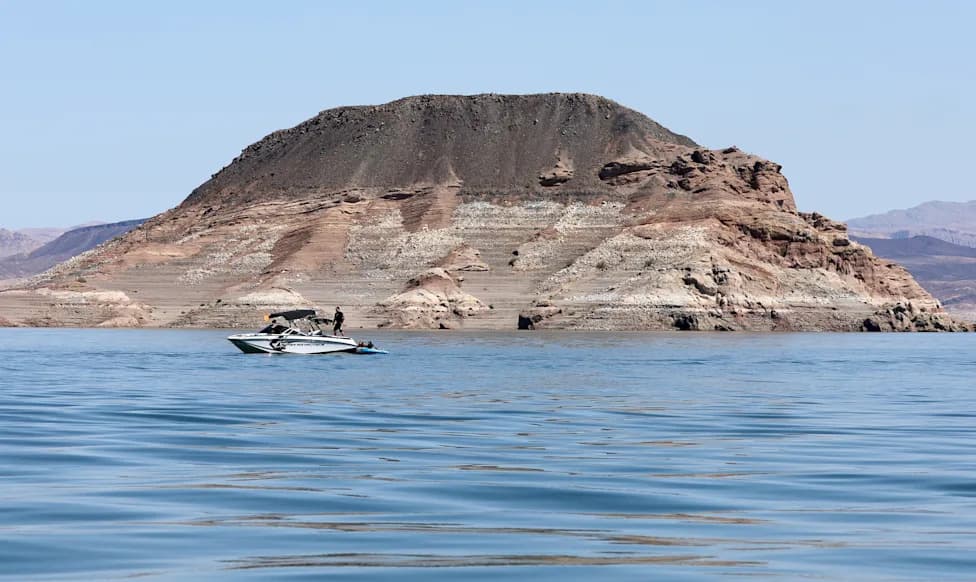
Is Las Vegas running out of water? See the city's conservation efforts
Record heat and prolonged drought across the southwestern United States have pushed Colorado River reservoir levels down, prompting concern about whether cities such as Las Vegas could face municipal water shortages. The short answer: Las Vegas is unlikely to run out of water in the immediate future, but the region faces serious long‑term risks that require sustained conservation and policy action.
Current Reservoir Conditions
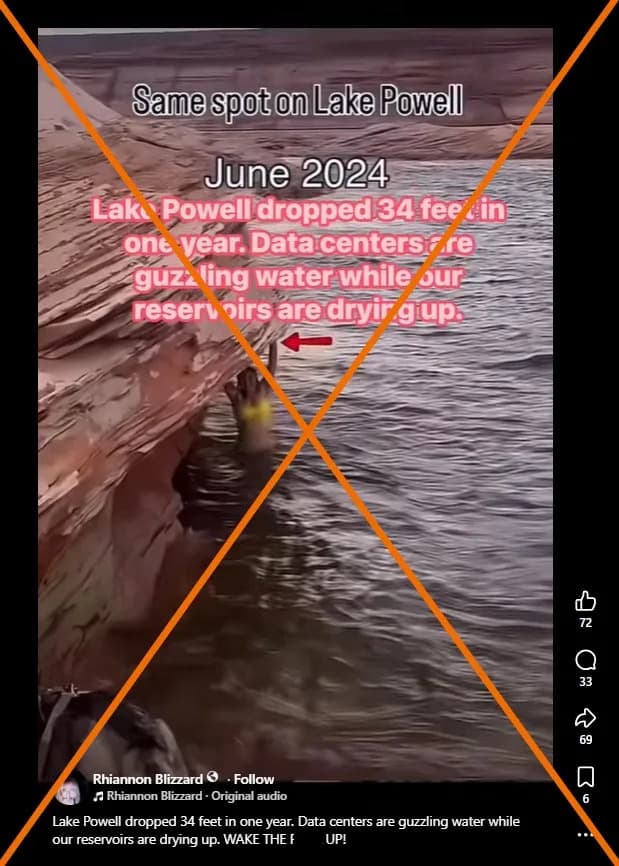
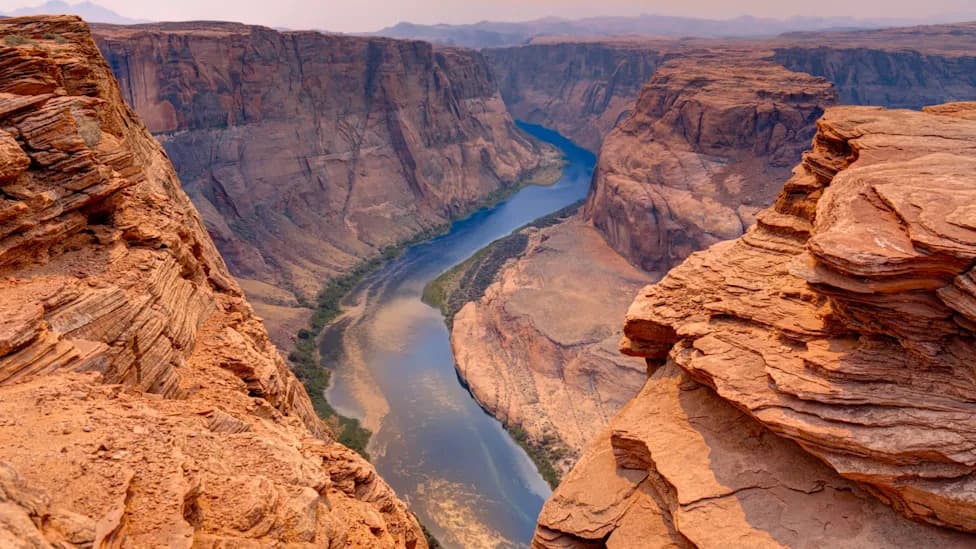
Lake Powell: Measured at about 23.4% of capacity on July 19. If water levels fall much further, the reservoir could reach a "dead pool" stage, when water can no longer be released downstream through the Grand Canyon—threatening hydropower generation and some downstream water deliveries.
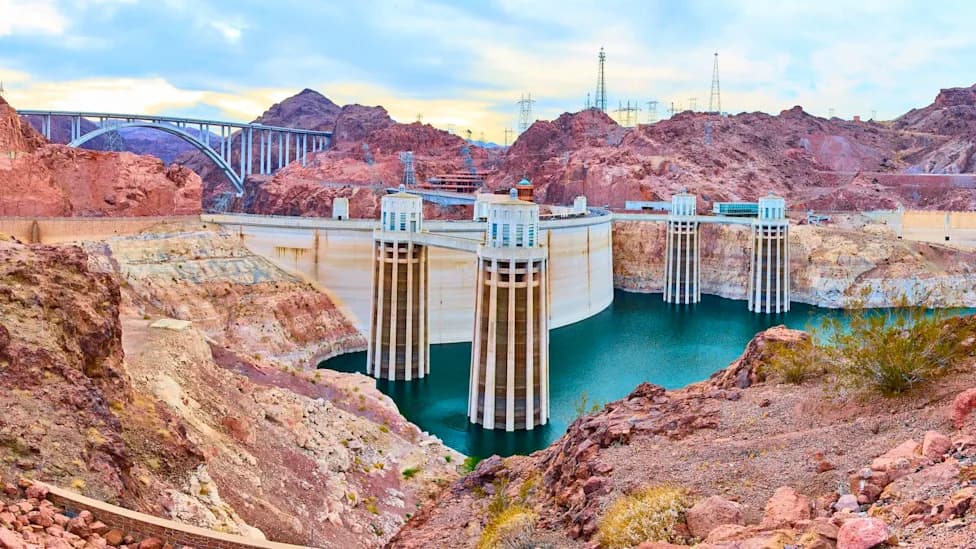
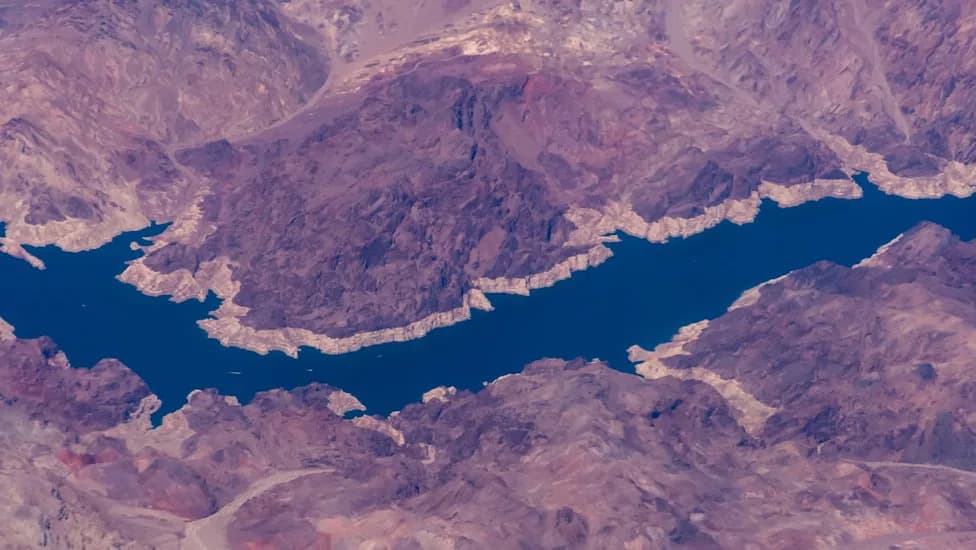
Lake Mead: Reported at roughly 1,041 feet elevation on July 28, hovering near its recent low of 1,040 feet recorded in July 2022, according to the U.S. Bureau of Reclamation. Lake Powell sits upstream of Lake Mead and influences releases that help replenish the Southern Nevada reservoir.
What This Means For Las Vegas
Las Vegas draws about 90% of its water from Lake Mead. Still, decades of deliberate conservation and water management have dramatically increased the region's resilience. The Southern Nevada Water Authority reports that Southern Nevada has reduced overall water use by roughly 40% since 2002, even as the population grew about 55% during the same period.
Federal officials have asked Nevada to reduce its Colorado River water use by about 28% under a two‑year interim plan while the seven basin states negotiate a longer‑term allocation agreement. Those required cuts and continued low reservoir levels could have ripple effects for water deliveries and electricity generation across the Southwest.
Why Agriculture Is Particularly Vulnerable
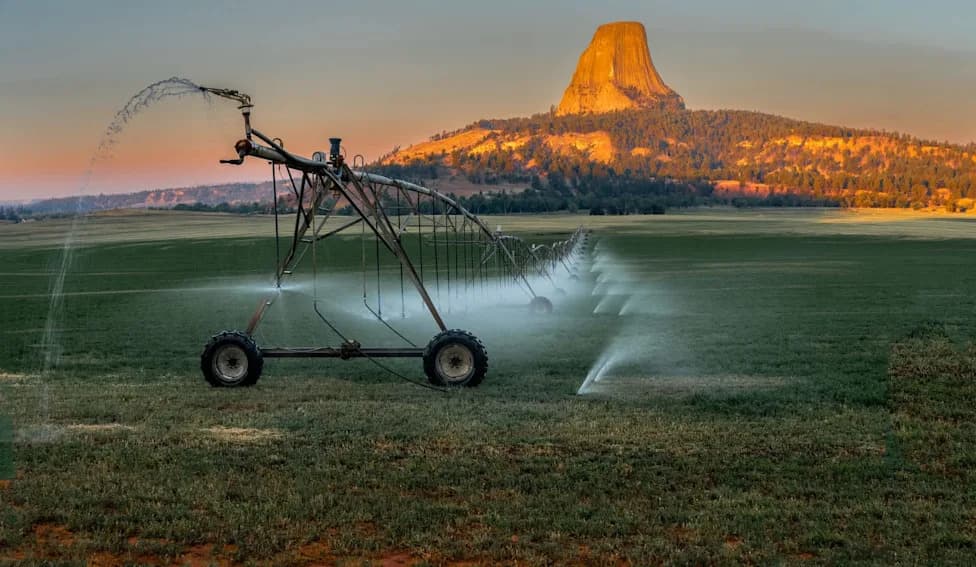
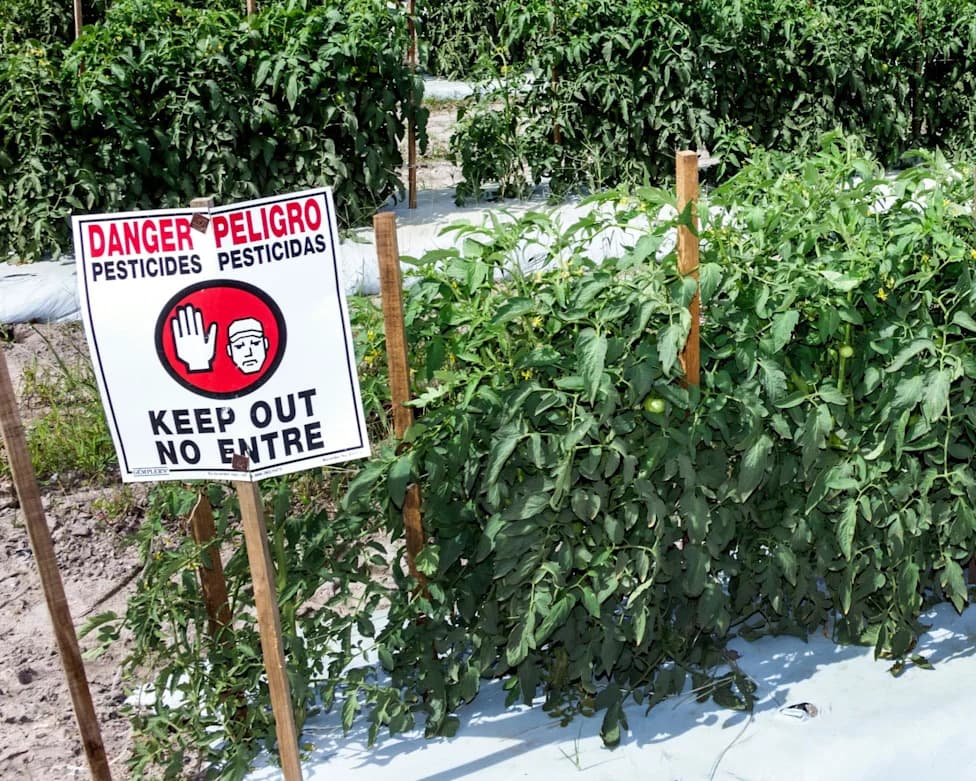
Water from the Colorado River supports a large share of irrigated agriculture in the western U.S. Estimates indicate roughly 52% of Colorado River water is used for irrigated agriculture, while urban consumption in the Southwest accounts for about 18%. Because California produces a large portion of the nation’s fruits, vegetables and nuts, cuts to Colorado River supplies can affect food production and markets beyond the region.
Local Conservation Measures in Las Vegas
Las Vegas has focused on both demand reduction and efficient reuse:
- Indoor Water Recycling: Nearly all indoor water use is treated and recycled, limiting indoor demand on fresh supplies.
- Outdoor Water Reductions: Programs to replace turf with desert‑adapted plants and drip irrigation; paid lawn‑replacement incentives for homeowners; and bans on lawns in many new commercial and residential developments.
- Cooling and Industry Rules: A moratorium on evaporative cooling (swamp coolers) in new industrial and commercial buildings and efforts to phase out older, water‑inefficient systems.
Looking Ahead
Long‑term water security in the Southwest will depend on continued conservation, infrastructure investments, and regional agreements that allocate increasingly scarce river flows. While Las Vegas’s policies and past progress make immediate municipal shortages unlikely, persistent drought and mandatory cuts to Colorado River allocations mean the broader region—especially agriculture—remains at risk.
Bottom line: Las Vegas is not on the verge of running out of municipal water today, but the Colorado River crisis requires ongoing action to protect future supplies for cities, farms and ecosystems across the West.
Help us improve.