Nearly 1,000 Effingham County residents confronted OpenAI and county leaders after a $20 billion, 2,600-acre data-center proposal was disclosed with little public notice. OpenAI says the project will create about 400 jobs, provide roughly $80 million in local benefits and become the county's largest taxpayer after operations begin in 2028. Residents pushed back over secrecy, environmental impacts, and strain on power and water; a petition opposing the plan has collected over 7,000 signatures and nearby counties are weighing moratoriums.
Nearly 1,000 Confront OpenAI Over Secret $20B Data-Center Plan in Effingham County

Photo Credit: Getty Images
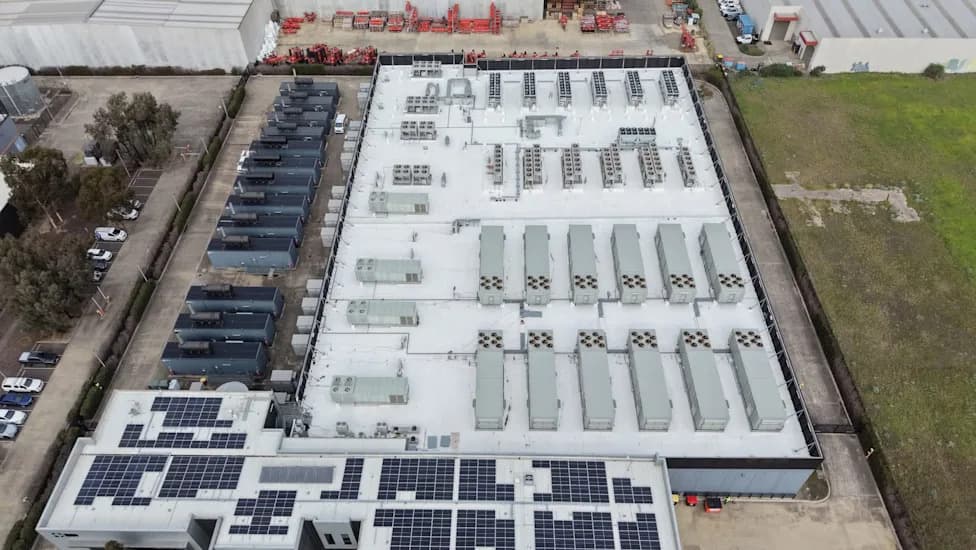
Nearly 1,000 residents of Effingham County, Georgia, packed a community meeting to challenge OpenAI and local officials over a newly revealed $20 billion, 2,600-acre data-center proposal that critics say was negotiated with little public notice.
Meeting Erupts Over Secrecy, Oversight
What was billed as a routine listening session devolved into a heated, hours-long confrontation marked by sharp questioning, vocal protests and repeated complaints that county leaders excluded residents from a decision that could reshape the region.
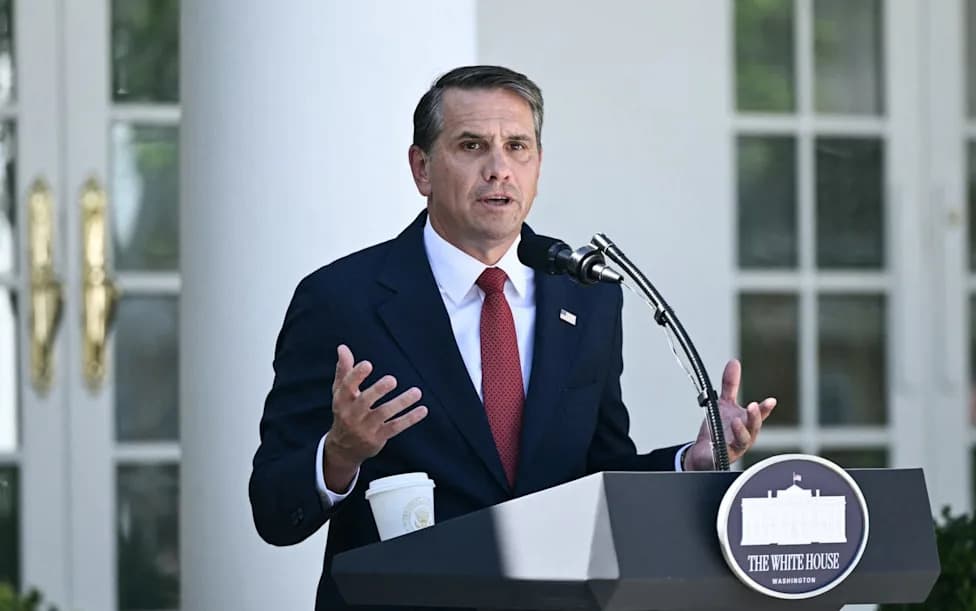
Local reporting by The Current says county officials disclosed the scope of the project only days before the meeting, prompting swift backlash. OpenAI Vice President for Communications Aaron McLear told attendees the project would receive temporary tax breaks during construction and is expected to become Effingham County's largest taxpayer once operations begin in 2028.
Company Promises and Local Skepticism
OpenAI has projected the campus will create at least 400 jobs and deliver about $80 million in local benefits, including recreational facilities and student training on OpenAI products. Officials also pointed to a fact-finding trip to OpenAI's Abilene, Texas, facility to argue that modern data centers can operate quietly and efficiently.
It stinks. That's not how democracy is supposed to work.
For many residents, the core grievance was not the jobs or promises but the process itself: how the deal was arranged, the speed of disclosure and the perceived lack of meaningful public input.
Environmental, Infrastructure, And Community Concerns
Attendees raised a wide range of local concerns: light pollution, increased traffic, strain on electricity and water supplies, higher utility costs, and broader environmental impacts. Teachers and parents expressed unease about developing heavy industrial infrastructure in a community where they teach children about sustainability.
I think it would be kind of hypocritical for us to develop this data center in the middle of our county when we're teaching our kids that that's not good for their future. They're going to inherit this community.
The dispute mirrors a national debate over rapid AI infrastructure expansion. Data centers support technologies that can improve forecasting, optimize energy systems and boost local industry, but they also demand large amounts of power and water, raising concerns about local resource pressure, security and social impact.
Politics And Organizing
The controversy has intensified political debate along Georgia's coast. Nearby Camden County has approved a moratorium on new data-center projects, Bulloch County is considering one, and Port Wentworth residents are pressing for restrictions, according to The Current.
Residents organized quickly: by Thursday evening a petition opposing the project had gathered more than 7,000 signatures. Some attendees said they plan to use electoral pressure and continued public scrutiny to push for greater transparency and enforceable guarantees on energy, water use and community benefits.
I've seen the industry blueprint before. They make promises with no guarantees, and this is something people here are going to regret.
OpenAI and county officials are now working to persuade residents that the project's economic and community benefits outweigh the risks. Officials emphasize job creation, projected tax revenue and local investments, while residents call for clearer commitments, independent environmental review and stronger public participation in decision-making.
Help us improve.