Sen. Ben Allen introduced Senate Bill 1301 on Feb. 20, 2026, which would require California homeowners insurers to give specific reasons for policy nonrenewals and provide homeowners 90 days to fix identified issues. The bill targets remediable problems (for example, aging roofs) rather than large-scale wildfire risk that drives market exits. Consumer advocates say it improves transparency and offers a path to keep coverage; industry groups warn the 90-day rule could be abused or create practical challenges. Homeowners should document issues, communicate with insurers and servicers, and explore alternatives early.
California Bill Would Force Insurers To Explain Home-Insurance Nonrenewals And Give Homeowners 90 Days To Fix Issues

Image Credit: Mike Newbry/Unsplash.
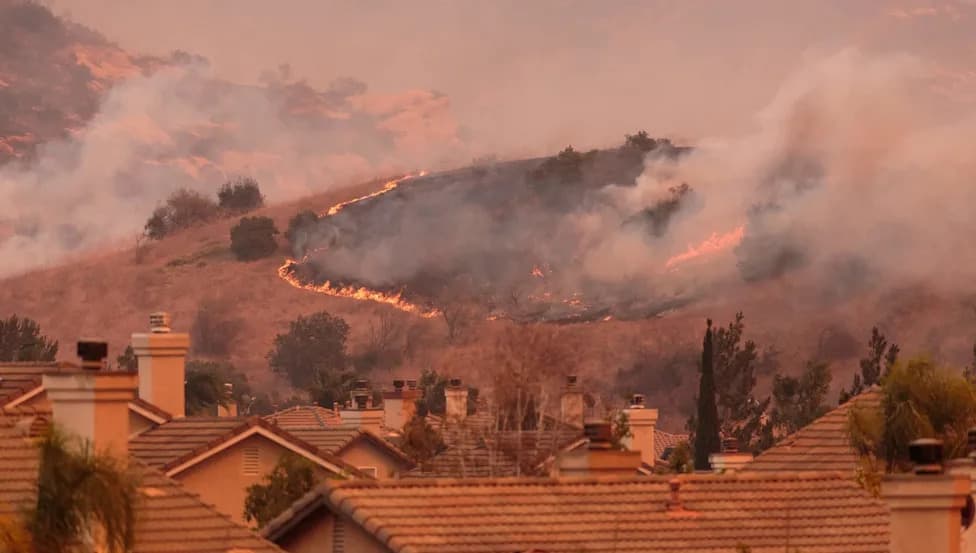
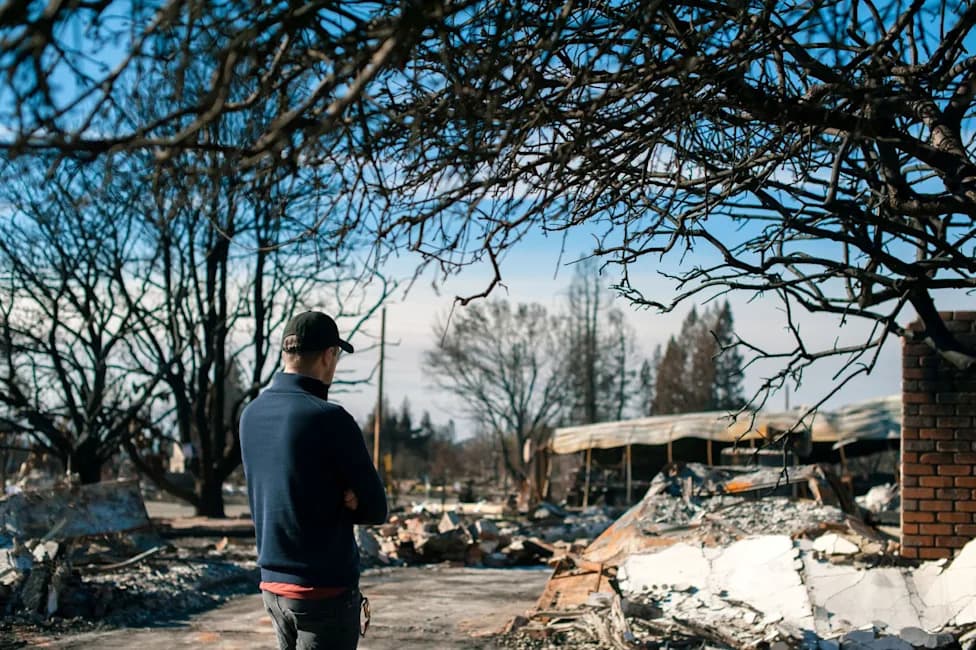
Climate change has increased the frequency and severity of storms, wildfires and other disasters — and insurers have felt the financial strain. In some markets, including parts of California hard hit by wildfire, homeowners insurance providers have pulled back or declined renewals. State Senator Ben Allen has proposed a bill to give homeowners clearer explanations and a chance to address fixable problems before losing coverage.
What Senate Bill 1301 Would Do
Senate Bill 1301, introduced Feb. 20, 2026, would require homeowners insurance (HOI) companies doing business in California to provide a specific reason when they decline to renew a policy. Insurers would also have to give policyholders a 90-day window to remedy the identified issue before the nonrenewal takes effect, according to the California Legislative Information site and reporting from The Center Square.
The requirement would not stop insurers from exiting extremely high-risk areas — such as some zones affected by recurring, severe wildfires — but it is aimed at preventing nonrenewals for reasons that homeowners can remediate.
How It Would Work—An Example
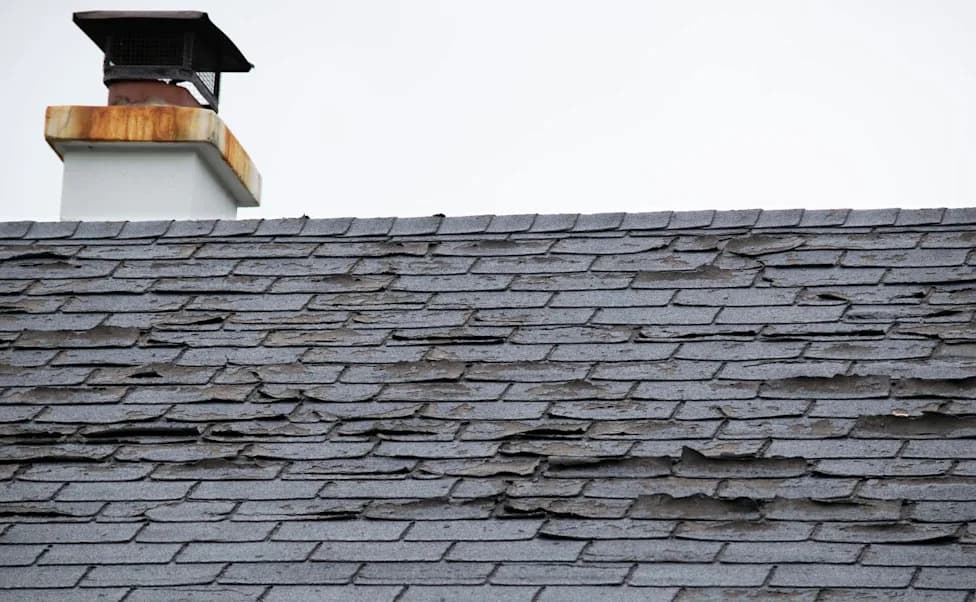
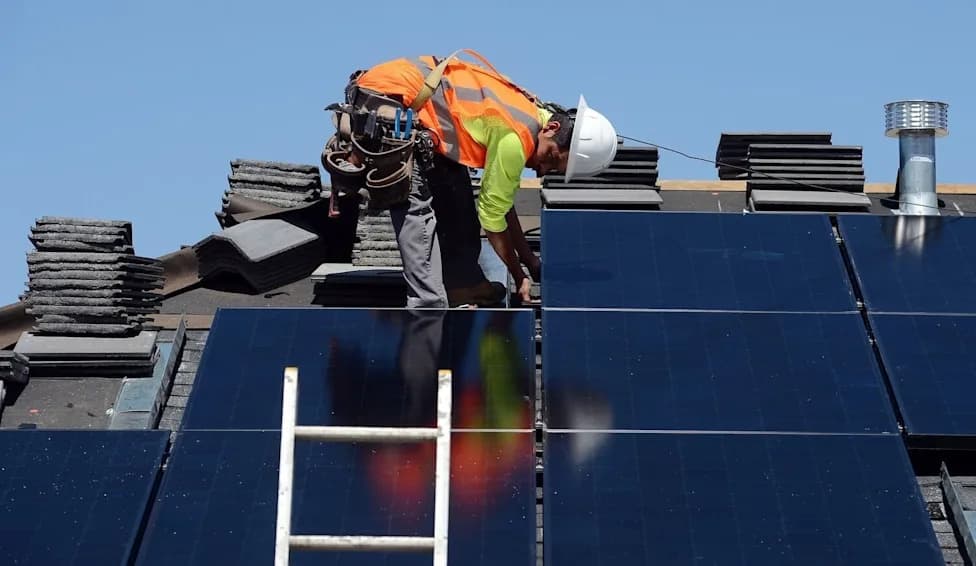
If an insurer refuses renewal because a roof is 40 years old, the company would need to notify the homeowner that roof age triggered the decision and then provide a 90-day period to replace the roof before terminating coverage.
"Consumers often have little information about the reason for the nonrenewal, and have no path to correcting a problem before their policy gets cancelled," said Carmen Balber, executive director of nonprofit Consumer Watchdog. "This bill gives folks more notice, a path to remediate the problem if there is one, and the ability to keep their coverage."
Industry Concerns
Insurance industry groups have pushed back, arguing the bill could create practical problems. Mark Sektnan, vice president of the American Property Casualty Insurance Association, said the 90-day remediation window, as drafted, could be abused.
"The way the bill was drafted, it would have created a situation where a homeowner could basically hold on to their policy for two years and not do any mitigation," Sektnan told the outlet.
Why This Matters To Homeowners And Lenders
Maintaining homeowners insurance is often required by mortgage servicers. Experian warns that lacking an active, valid HOI policy can trigger lender actions such as force-placed insurance and, in extreme cases, lead to foreclosure proceedings if coverage lapses and the borrower does not respond.
Force-placed insurance is purchased by the lender or servicer to protect its financial interest; it is typically more expensive and offers less protection than a homeowner-initiated policy.
What Homeowners Should Do
Policyholders facing a nonrenewal notice should:
- Carefully read the insurer's explanation and note any required repairs or mitigation.
- Document communications, receipts, and photographs of completed work.
- Reach out to the insurer, a licensed contractor, and their mortgage servicer if needed.
- Contact the California Department of Insurance for guidance or to file a complaint.
- Shop for alternative coverage early if remediation is impractical or costly.
SB 1301 aims to increase transparency and give homeowners a practical window to address fixable risks — though its fate will hinge on balancing consumer protections with insurer concerns about timing and operational impacts.
Help us improve.