Save the Children reports that two-thirds of Western European children were exposed to extreme temperatures in the first 6.5 months of 2026 — three times the total for 2025 and the highest level since 2003. Germany and the UK experienced particularly sharp increases, with Germany's first-half total surpassing the previous five years combined and about 10 million children affected in the UK. Experts warn the surge endangers children's health and education and call for a rapid shift from fossil fuels to renewables; limiting warming to 1.5°C could spare roughly 38 million children born in 2020 from lifelong extreme-heat exposure.
Two-Thirds of Western European Children Exposed to Extreme Heat in Early 2026, Save the Children Warns

Two-thirds of children exposed to extreme temperatures in Europe
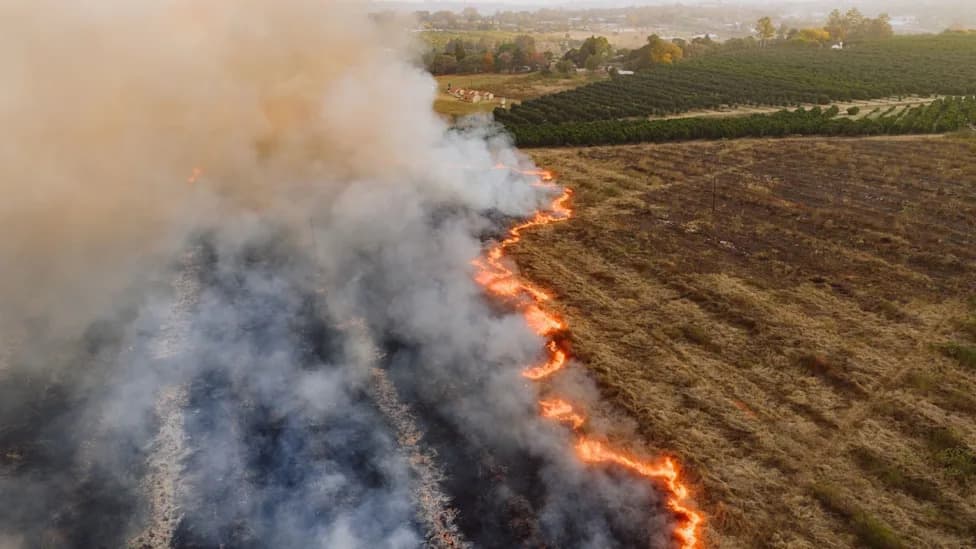
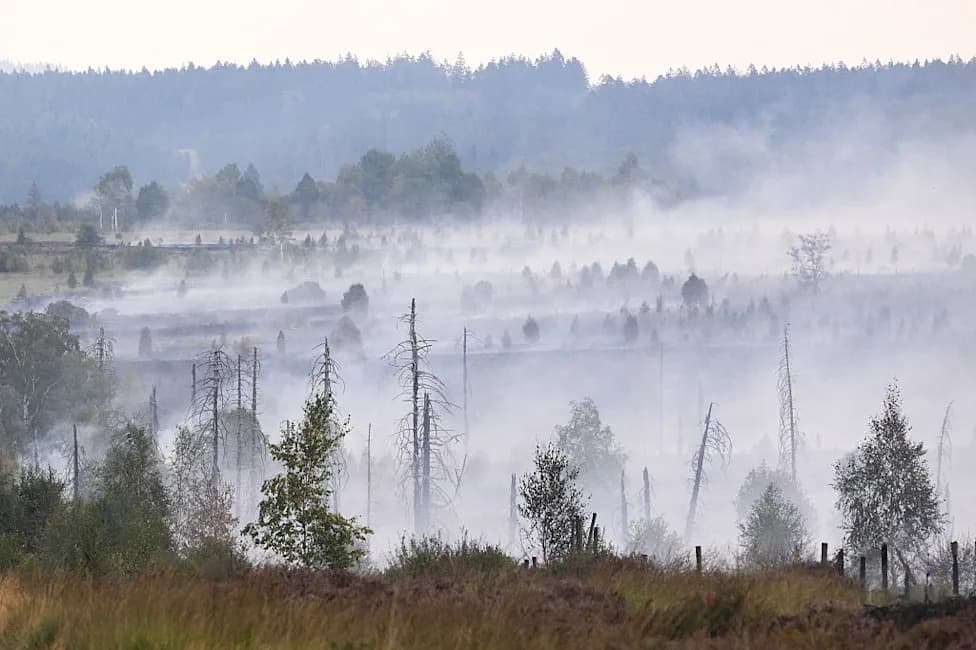
Two-thirds of children across Western Europe experienced extreme temperatures during the first six and a half months of 2026 — a rate three times higher than the total for all of 2025 and the highest level recorded since 2003, according to Save the Children.
Key findings:
- Save the Children reports that Germany’s number of children exposed to extreme heat in the first half of 2026 exceeded the combined totals of the previous five years.
- About 10 million children in the United Kingdom were exposed to extreme heat in the same period — more than in any single year of the past 30 years.
Children are especially vulnerable to high temperatures because their bodies are still developing and they have a reduced ability to regulate body temperature. Exposure can increase the risk of electrolyte imbalance, fever, respiratory illness and kidney disease.
Matilde Angeltveit, senior adviser and global climate advocacy lead at Save the Children, told Euronews: "With climate change — and specifically heatwaves and wildfires — everything that affects everyone affects children even more. As climate change worsens, the impacts on children are growing each year."
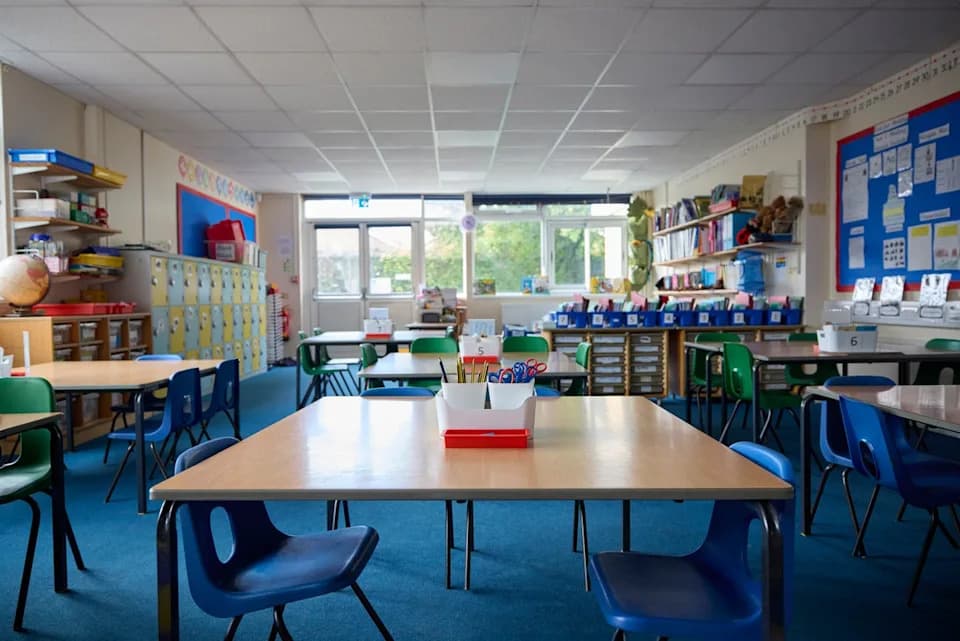
Angeltveit warned that the burden falls heaviest on children already facing poverty, poor health or other disadvantages, calling climate change an "inequality exacerbator." The heatwave also disrupted schooling: authorities in France and the UK closed schools in June to protect pupils as temperatures surged.
Save the Children cautioned that the full-year total is likely to be even worse because the current dataset already includes winter and spring months; the organisation expects exposure to climb as the year progresses.
The charity urged governments to accelerate the transition from fossil fuels to renewable energy, saying rapid mitigation would sharply reduce children’s exposure to climate-related hazards. A report published last year by Save the Children and the Vrije Universiteit Brussel estimated that nearly a third of children born in 2020 — roughly 38 million — would avoid a lifetime of unprecedented extreme-heat exposure if global warming is limited to 1.5°C above pre-industrial levels by 2100.
Without swift, drastic emissions reductions, Save the Children says, children in low- and middle-income countries will shoulder many of the most dangerous consequences of the climate crisis.
What to watch: national heat preparedness plans, school safety policies during extreme heat, and policy commitments to accelerate renewable energy deployment and emissions cuts.
Help us improve.