Study: Children born in Europe in 2025 are projected to face roughly an 84% increase in lifetime exposure to extreme fire-weather days compared with those born in 1950—equivalent to more than three extra years of exposure. The Mediterranean could see the largest rise, up to 2.5 times exposure under a 2.6°C warming scenario. Country examples include Portugal rising from ~14 to ~32 extreme-fire days per year by 2100. Rapid emissions reductions—limiting warming toward 1.5°C—would avoid much of this additional risk.
Children Born Today in Europe Will Face Nearly Twice As Many Extreme Fire-Weather Days, Study Finds
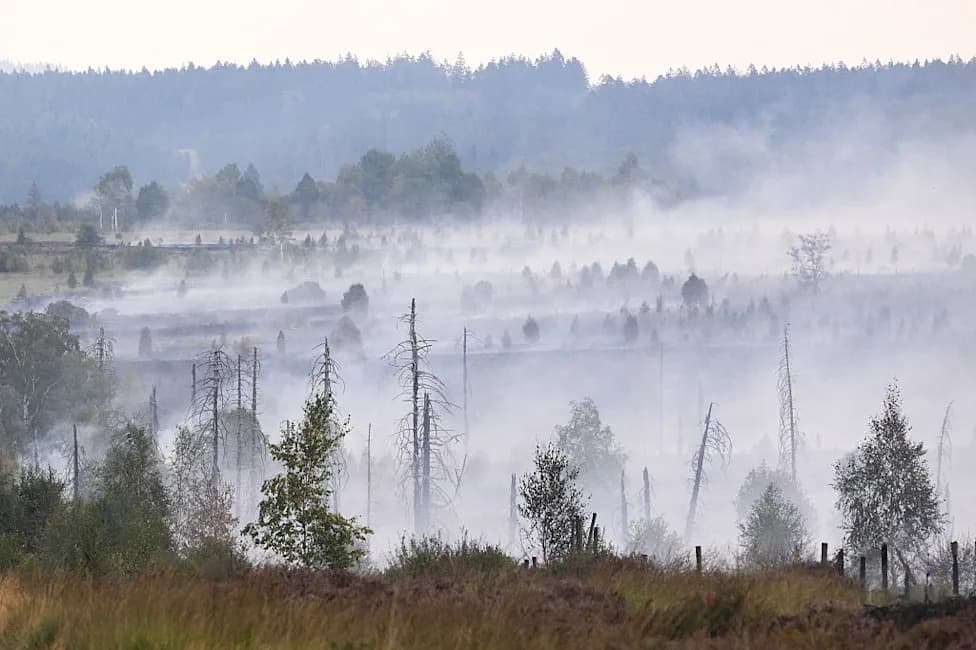
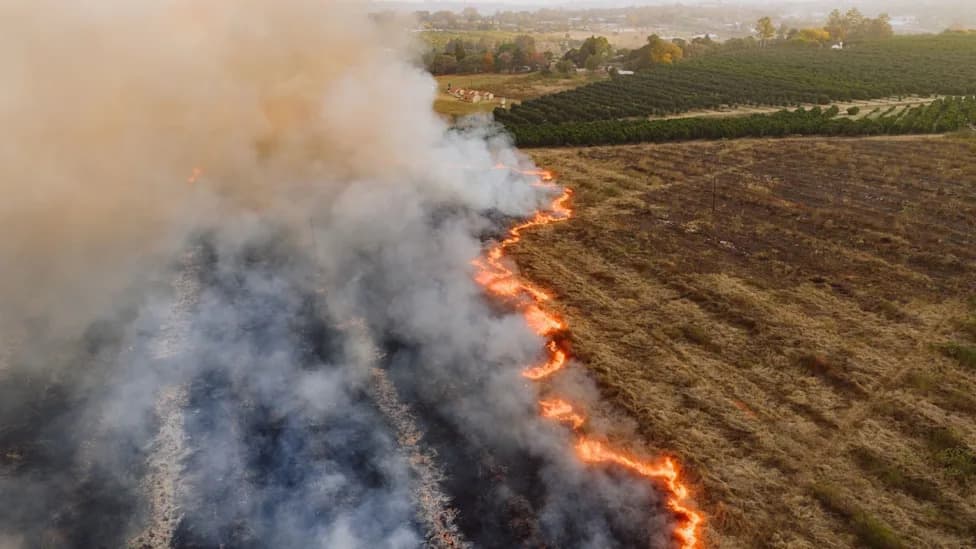
Smoke emanating from burnt soil and vegetation during a wildfire at the Hautes Fagnes (High Fens) nature reserve near Baelen, south east of Brussels, on Aug. 17, 2026. —John Thys—Getty Images
A major new study published in Environmental Research Letters warns that children born in Europe in 2025 will experience dramatically more days with extreme fire-weather conditions than people born in 1950. Across Europe the lifetime exposure to extreme fire-weather days is projected to rise by about 84%—almost doubling for the youngest generation.
The researchers used climate-model projections of the Fire Weather Index—a metric combining temperature, humidity, wind and other factors that increase wildfire risk—to estimate lifetime exposure. They define "extreme fire weather" as days when the index exceeds the top 5% of that country's days during the 1985–2014 baseline period.
On average, a child born in Europe in 2025 can expect more than three additional years of extreme fire-weather days over their lifetime compared with someone born in 1950. The Mediterranean region is projected to see the largest increases: under a scenario consistent with current global climate and energy policies (about 2.6°C of warming by 2100), exposure in some Mediterranean countries could rise up to 2.5 times—equivalent to more than five extra years of extreme fire-weather days.
Country Examples
Portugal—already one of Europe's most fire-prone countries—could see extreme fire-weather days more than double under current trajectories, rising from about 14 days per year (1950–1970) to roughly 32 days per year by 2100. The study also quantifies the effect of each additional degree of warming: one extra degree of global warming by 2100 would add roughly 272 days of extreme fire weather to the life of a Portuguese child born in 2025. A child born in Greece could face about 473 additional days, while children in Spain and Italy could each face roughly 448 additional days over their lifetimes.
"It doesn't mean that there will be a wildfire on all of those days, but it does mean that the risk is much higher," says Rosa Pietroiusti, lead author of the study and a PhD researcher at Vrije Universiteit Brussel.
Health and Social Impacts
Days with extreme fire-weather raise the likelihood of large wildfires and prolonged smoke exposure. Short-term health effects of wildfire smoke include stinging eyes, wheezing, coughing and shortness of breath. Long-term or repeated exposure is linked to aggravated lung and heart disease, cognitive impairment and increased risk of premature death. Beyond health, more frequent extreme fire weather stresses emergency services, damages infrastructure and reduces air quality and economic productivity.
Policy Implications
The authors emphasize that rapid and deep emissions cuts would reduce projected exposure across all regions. Limiting warming to 1.5°C by 2100 could avoid a substantial share of the added lifetime hazard faced by children born today. However, current policy pathways make staying under 1.5°C increasingly unlikely: a recent U.N. report concluded the world is likely to exceed that threshold within a few years, with plausible scenarios peaking at 1.8°C or higher.
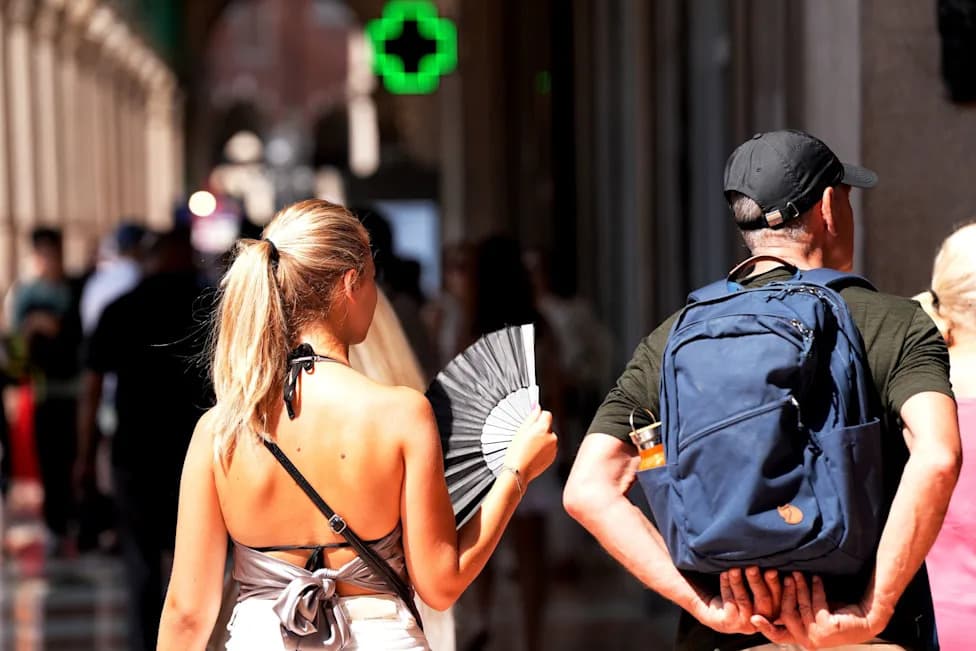
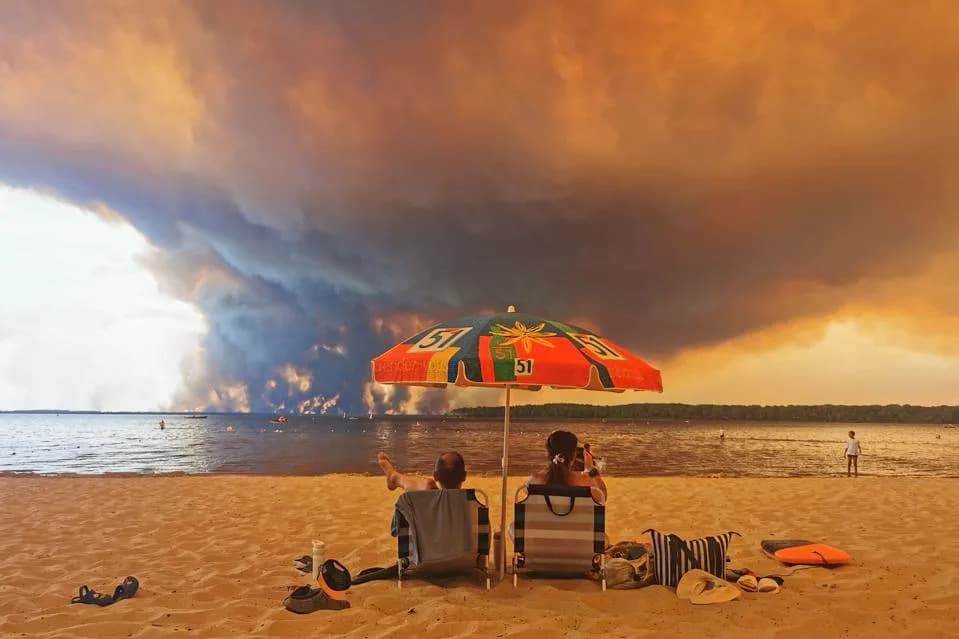
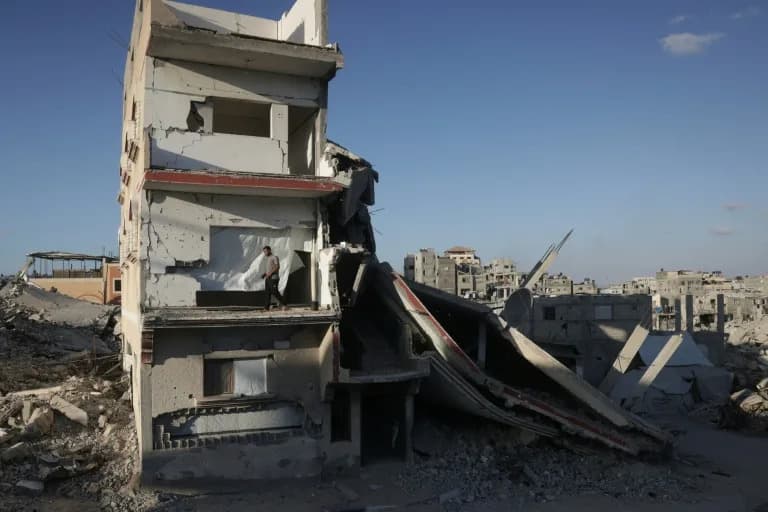
Europe is warming faster than any other continent, with average temperatures rising by about 0.56°C per decade since the mid-1990s—more than double the global rate. This summer's heatwaves and wildfires underline the trend: the European Forest Fire Information System reported over 668,000 hectares burned across the EU, including Belgium’s worst wildfire in a century and record fires in France and Spain.
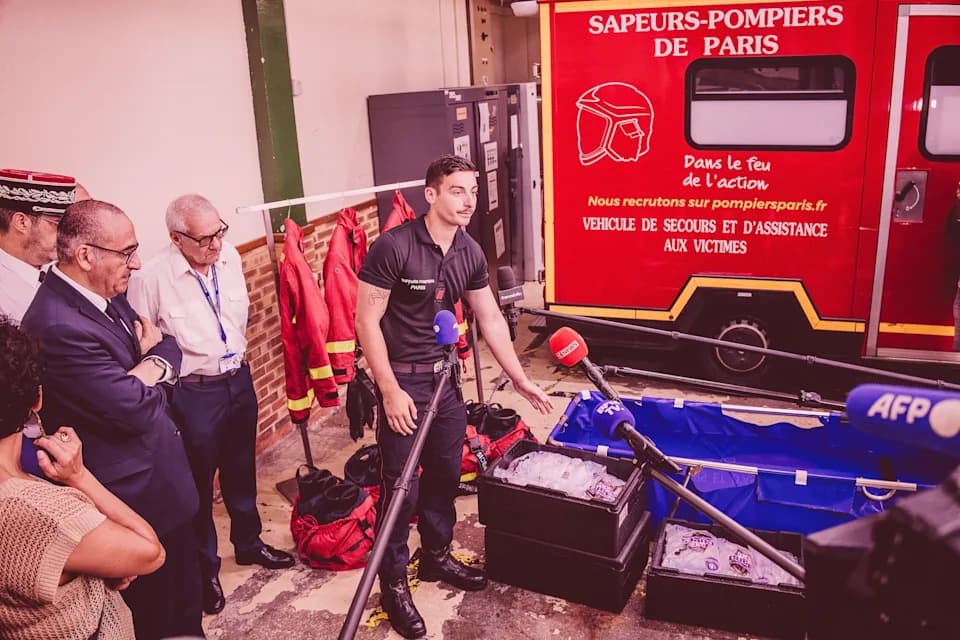
European Commission leaders have proposed new measures, including a European Heatwave Plan and a dedicated firefighting aircraft fleet, to respond to rising risks. "We're really seeing that these conditions are not just climate model projections... but they're really real world conditions and risks," Pietroiusti adds.
Help us improve.