The article examines a rising wave of climate-liability lawsuits against major oil companies, highlighted by Misti Leon's wrongful-death suit after the Pacific Northwest's record heat in June 2021. Courts have allowed multiple cases to proceed into discovery, strengthening the chance for trials that would put executives under oath. In response, the oil industry, conservative groups and some lawmakers are pushing legal shields and challenging attribution science, while federal agencies have intervened in state cases. Observers warn that upcoming court rulings and legislation will shape whether fossil fuel producers face accountability similar to Big Tobacco.
As Climate Lawsuits Advance, Big Oil Faces an Escalating Legal Threat
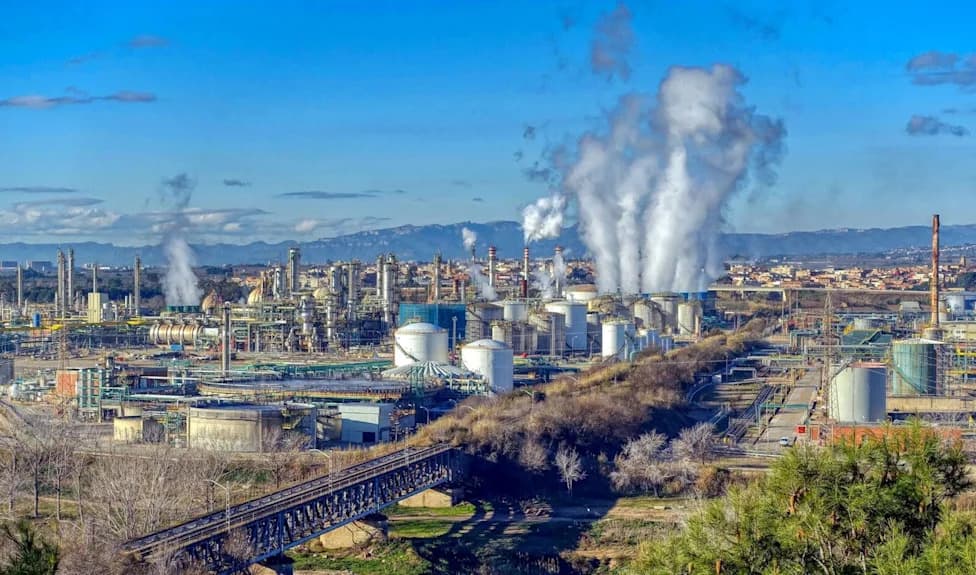
Photo by Josep M Bové - Reus on Unsplash
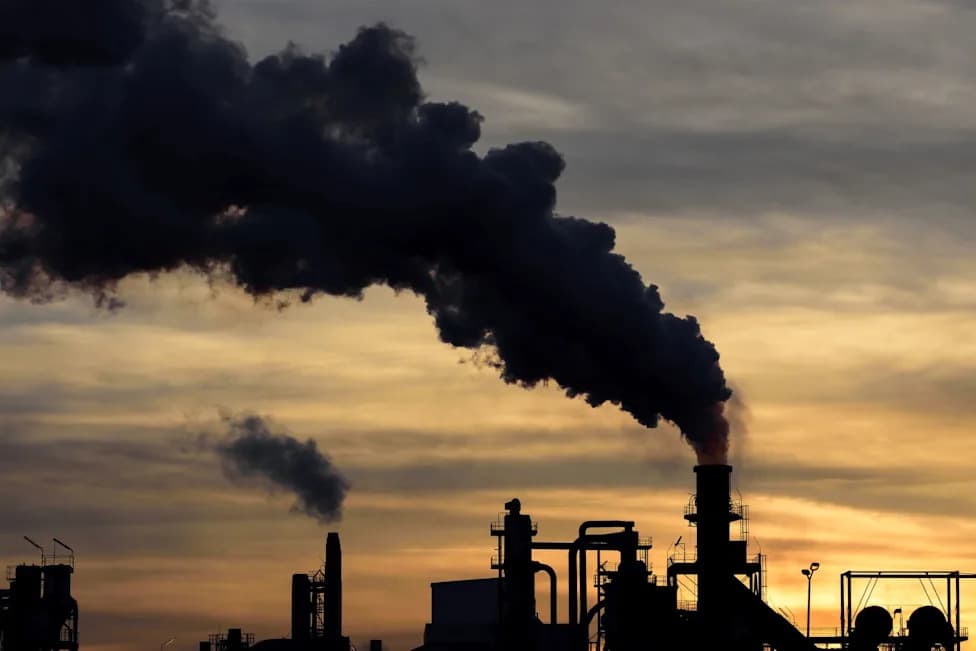
Could major oil companies be held legally responsible for the deadly heat that contributed to a woman's death in Washington state? That question sits at the center of a novel wrongful-death suit filed by Misti Leon after her mother died from overheating during the Pacific Northwest's record heat wave in June 2021, when temperatures reached 108°F. Scientists say the heat dome that week was "virtually impossible" without human-caused climate change, and researchers estimate roughly 1,200 people in the region died during that prolonged event.
Background
Leon sued Exxon Mobil, BP, Chevron, Shell and other oil majors last year, alleging the companies knew for decades that burning fossil fuels would cause catastrophic harm but publicly misled the public and delayed action that might have reduced those harms. In April this year a King County judge denied the oil companies' motions to dismiss, allowing Leon's case to move forward toward trial. Advocates say that ruling signals these claims have legal merit.
Legal Landscape
More than a decade after reporting showed ExxonMobil understood the risks of global warming as early as the 1970s, climate-related lawsuits against fossil fuel companies have proliferated. Nearly 40 cases are now pending nationwide, and at least five—filed by Massachusetts, Vermont, Connecticut, the District of Columbia and Honolulu—have advanced into discovery, the phase before trial when both sides seek documents and testimony to build their cases.
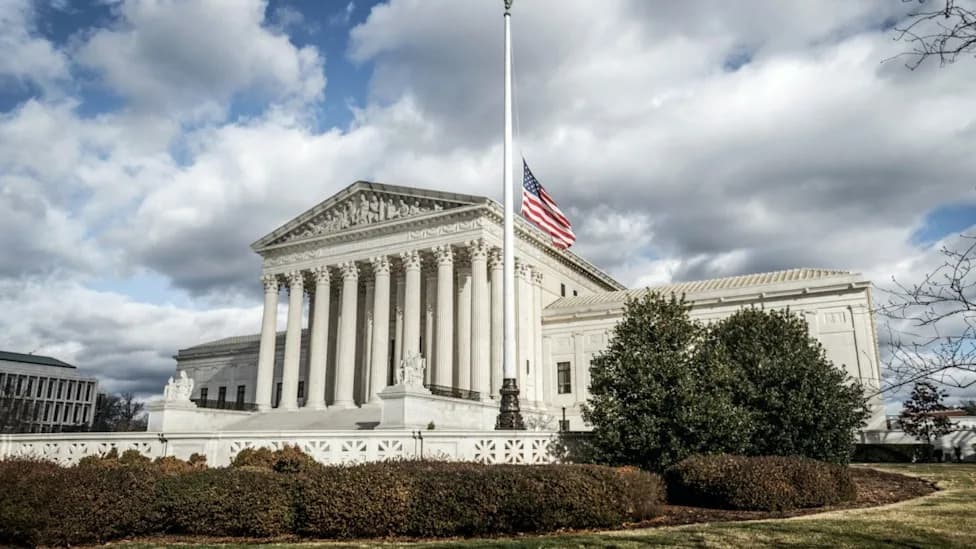
Some suits are paused while courts await a separate Supreme Court decision in a Boulder, Colorado case this fall. Boulder city and county allege ExxonMobil and Suncor violated state law by concealing product harms and seek funds to adapt infrastructure for heightened threats like heat waves, wildfires and floods; the outcome could reshape other climate litigation strategies.
Industry Response And Political Pushback
The oil industry, organized trade groups and allied conservative organizations have mounted a coordinated counteroffensive. The American Petroleum Institute listed stopping "extreme climate liability policy" among its priorities for 2026. Republican state legislatures have passed laws in Utah, Iowa, Tennessee, Oklahoma and Louisiana to limit or bar greenhouse-gas lawsuits; Montana and Utah also narrowed the legal definition of "public nuisance" to restrict climate liability claims. Federal legislation with similar immunity aims has been introduced in Congress with API support.
An April ProPublica investigation reported coordinated efforts behind these "liability shield" laws involving conservative groups tied to activist Leonard Leo; documents shared with watchdog Fieldnotes show ties between Koch Industries, Exxon and organizations such as ALEC and the American Tort Reform Association.
Federal Intervention
The federal government has also intervened. Following an executive order from President Trump directing the attorney general to prioritize blocking state climate litigation, the Department of Justice filed suit against Minnesota in May as that state's case entered discovery. The DOJ argued that Minnesota's claims improperly regulate greenhouse gases and undermine national energy policy—echoing industry legal positions. Separately, longtime Exxon attorney Robert Levy recently joined the Justice Department's renamed "Energy and Natural Resources Division."
Science, Scrutiny, And Courtroom Evidence
While industry lawyers have tried to delay or block cases, the scientific foundation for tying extreme weather to climate change has strengthened. A major report from the National Academies of Sciences, Engineering, and Medicine found that attribution science—particularly linking climate change to extreme heat, extreme cold and heavy precipitation—has become increasingly robust. That report drew intense scrutiny: opposition researchers requested internal communications from the panel, an action some scientists say was an attempt to discredit the process rather than the science itself.
"We saw pushback to not the science itself, but the process," said Carly Phillips, a senior scientist at the Union of Concerned Scientists' climate litigation hub. "For me, that was really illustrative, because the science is really sound."
Why It Matters
Legal observers compare these efforts to hold fossil fuel companies accountable to the decades-long litigation against Big Tobacco, which ultimately paid large settlements after evidence showed companies misled the public. Plaintiffs are refining legal theories, while industry lawyers and allied policymakers press for legal protections and challenge the science that links emissions to specific harms. As one industry attorney put it at a panel: "They just need to find one they can get through." The coming months—discovery battles, appellate rulings, and potential Supreme Court decisions—will shape how climate accountability is pursued in U.S. courts.
Help us improve.