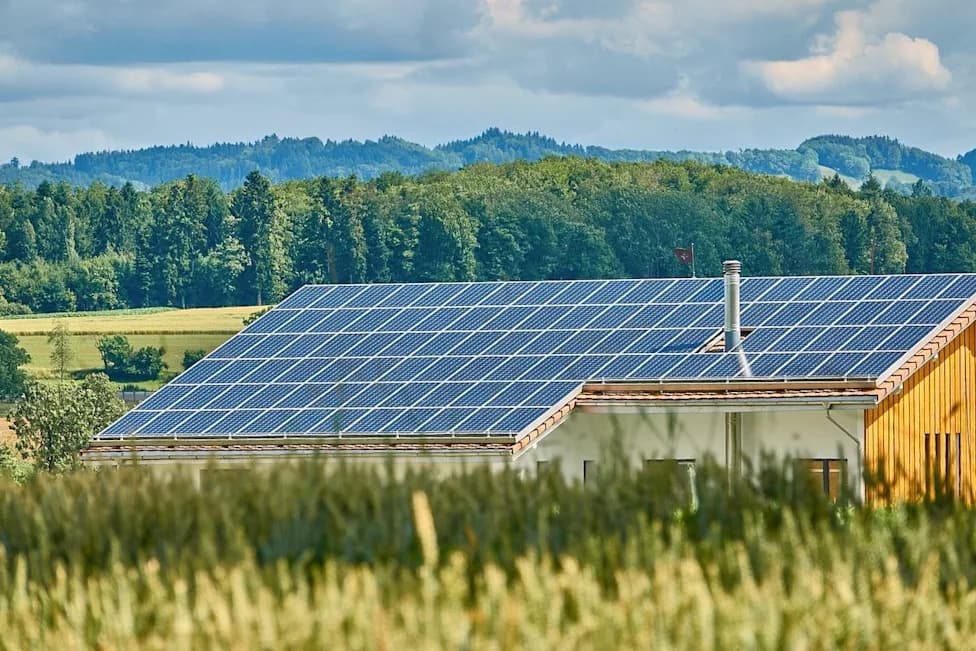
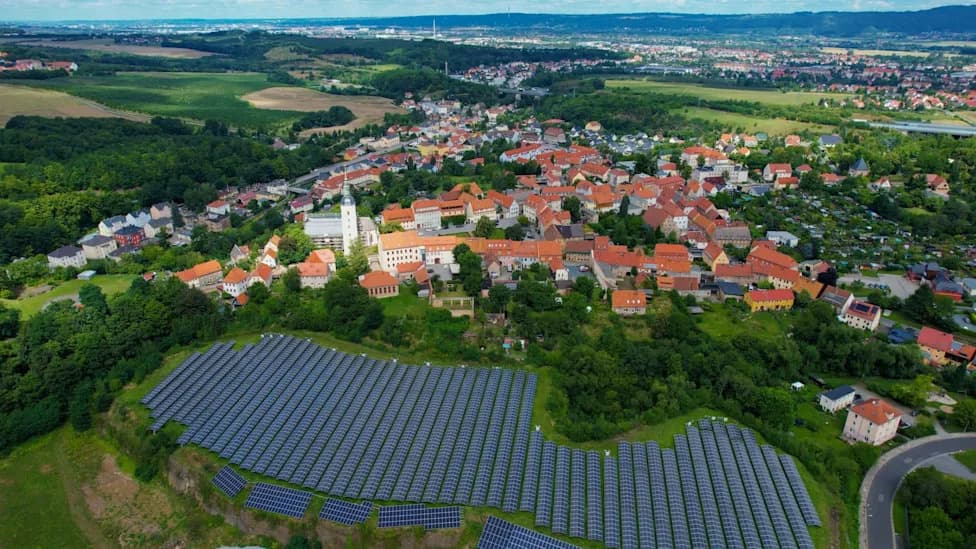
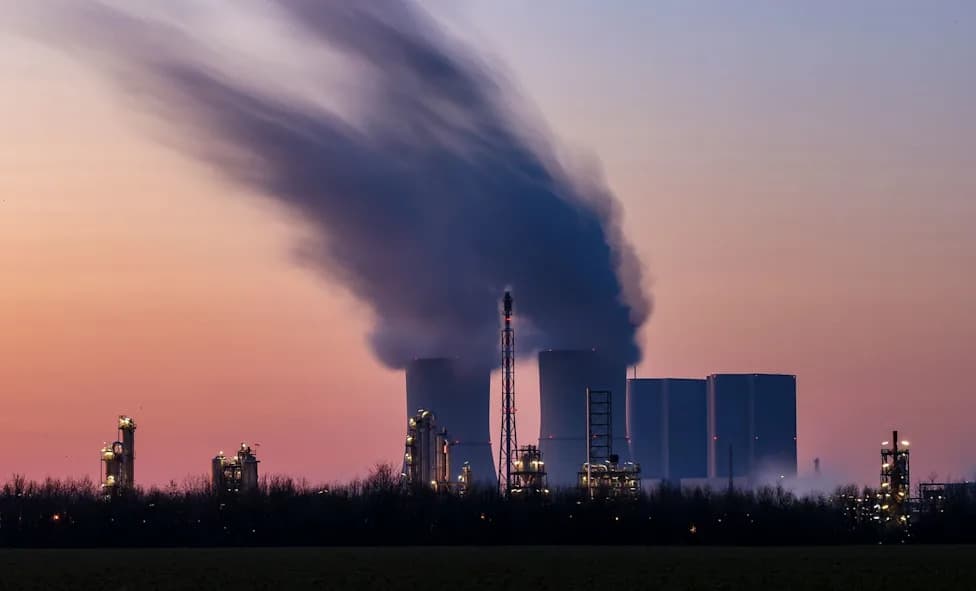
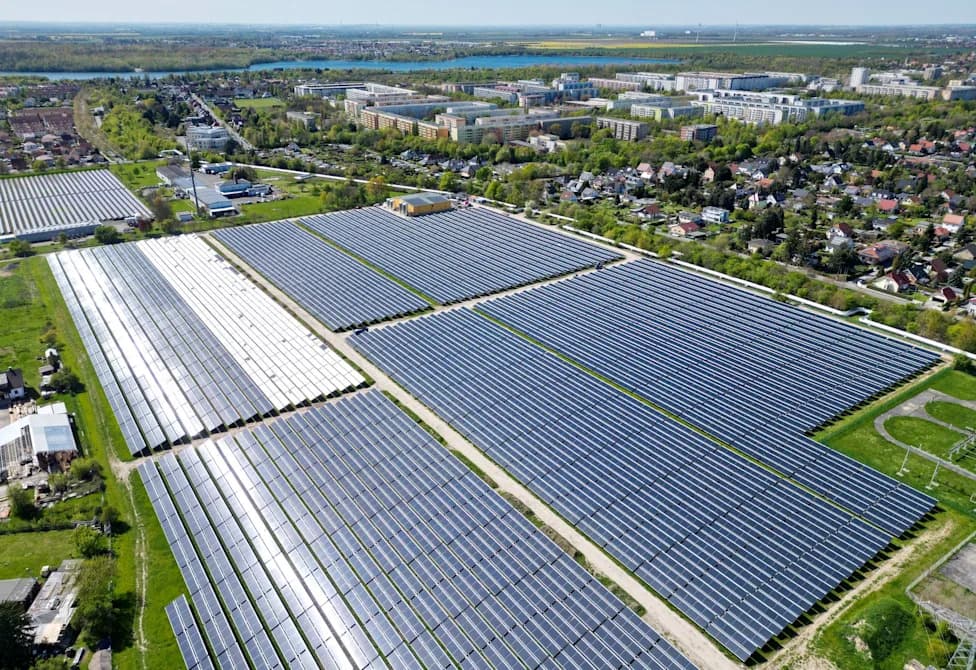
For the first time, Germany drew more electricity from wind and solar than from fossil fuels, marking a milestone in the country's long-running Energiewende (energy transition).
Renewables vs. Fossil Fuels: Wind and solar together supplied about 44% of Germany's electricity last year, compared with roughly 43% from fossil fuels, according to the Energy Institute, a London-based think tank. These figures signal a major step toward decarbonizing the power sector.
Policy Moves and Infrastructure
Germany closed its final nuclear power plants in 2023 and has a formal target to phase out coal-fired electricity by 2038, though many analysts expect the coal exit to happen sooner. As part of its plan to reach net-zero greenhouse gas emissions by 2045, the government aims to convert any remaining gas-fired plants to run on green hydrogen.
Rapid expansion of wind and solar has been supported by reforms to permitting and approvals: officials have digitized application processes, accelerated permitting timelines and designated renewable projects as being of "overriding public interest," a legal classification that reduces the risk of delays from court challenges.
Regional Impact
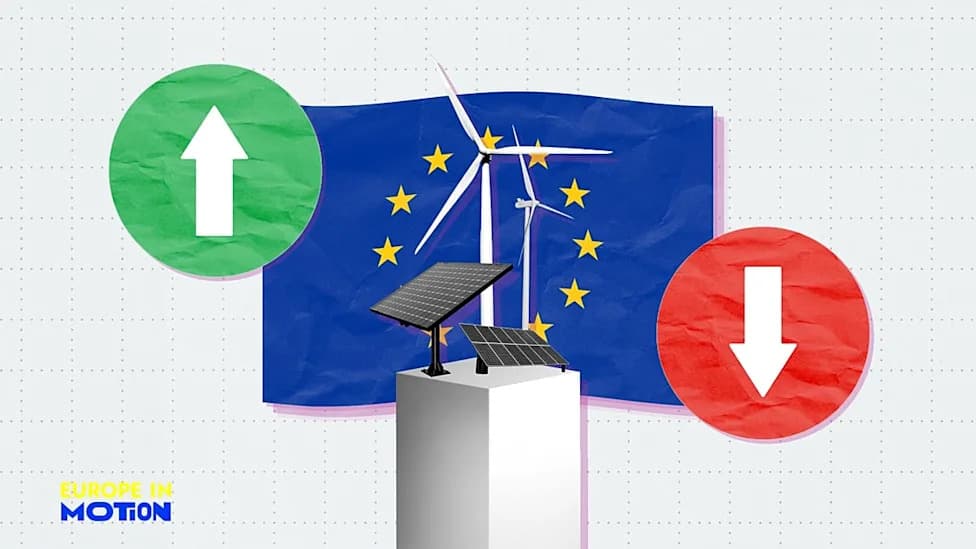
Germany is the largest economy in Europe and the third-largest in the world. Its move toward renewables has helped shift the region's energy mix: Ember, an energy think tank, reports that wind and solar supplied 30% of the European Union's power in 2025 versus 29% from fossil fuels, with nuclear and hydropower providing most of the remainder.
Outlook and Challenges
While the milestone is a clear signal of progress, experts emphasize the need for continued investment in grid upgrades, energy storage, sector coupling (including green hydrogen), and flexible capacity to manage variability and ensure reliability as renewables grow.
Bottom line: Germany's surge in wind and solar generation is a pivotal moment for its Energiewende and for Europe's broader clean-energy transition, but meeting long-term climate goals will require sustained policy support and infrastructure investment.