At its Busan session, UNESCO's World Heritage Committee added six sites to the List of World Heritage in Danger, invoking emergency procedures for three properties in South Sudan, Lebanon and the occupied West Bank. The inscriptions respond to immediate threats including armed conflict, infrastructure development, poaching, trafficking and climate-related pressures. Notable emergency listings include South Sudan's Boma-Badingilo Migratory Landscape, Lebanon's Mount Amel Castles and the archaeological village of Sebastia.
UNESCO Declares Six World Heritage Sites 'In Danger' — Three Emergency Listings in Palestine, South Sudan and Lebanon
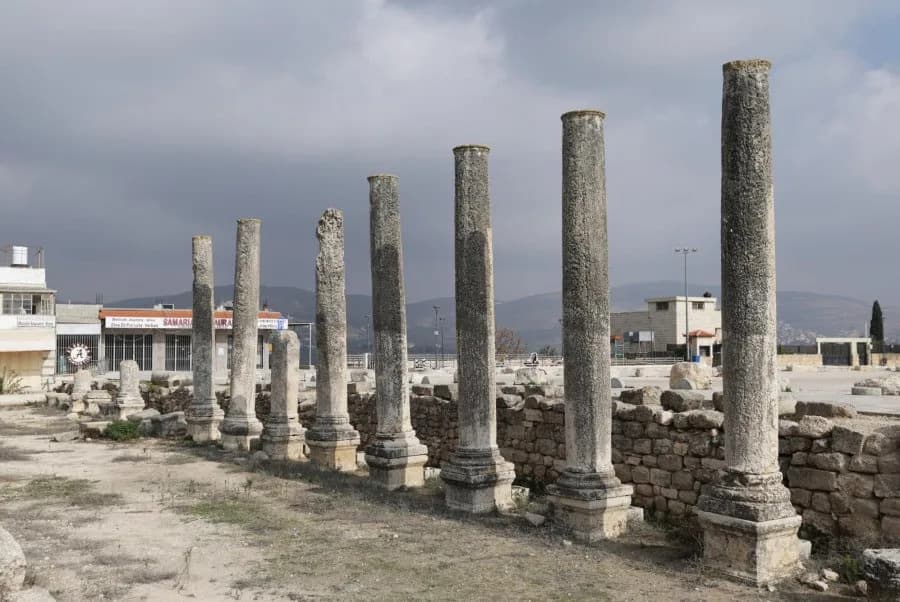
The archaeological site at the Palestinian village of Sebastia, near the West Bank city of Nablus, is one of six sites added to UNESCO's List of World Heritage in Danger on Sunday, and one of three inscribed on an emergency basis. File Photo by Alaa Badarneh/EPA
UNESCO's World Heritage Committee on Sunday voted to add six properties to its List of World Heritage in Danger, invoking emergency procedures for three sites facing imminent threats. The decision was taken during the committee's session in Busan, South Korea.
What Was Added and Why
The committee placed South Sudan's Boma-Badingilo Migratory Landscape, Lebanon's Mount Amel Castles and the village of Sebastia in the occupied West Bank on the Danger list as emergency inscriptions. Three other already-listed properties were also added to the danger register: the Ancient City of Taurica Chersonese and Its Chora in Russian-occupied Ukraine, the Historic Inner City of Paramaribo in Suriname, and the city of Tyre in Lebanon.
Committee Statement
Committee members said emergency action was necessary because "numerous crises of diverse nature, including armed conflict and climate change, are heavily affecting heritage and exposing it to serious threats."
Sites Highlighted
Boma-Badingilo Migratory Landscape (South Sudan)
The site is a vast East African savanna that hosts the world’s largest known terrestrial mammal migration. UNESCO warned it faces major pressures from infrastructure development, commercial poaching and wildlife trafficking, which endanger migratory mammal populations and the landscape’s ecological integrity.
Mount Amel Castles (Lebanon)
This ensemble of five fortifications illustrates regional defensive systems from the Crusader period through the late 19th century. UNESCO said the castles have already sustained heavy damage and cited the direct conflict between Israel and Hezbollah militias as an urgent threat to the site's conservation.
Sebastia (Occupied West Bank, Palestine)
Located about seven miles northwest of Nablus, Sebastia contains archaeological layers from at least the 9th century BCE through Hellenistic, Roman, Byzantine and Islamic periods. UNESCO expressed concern about Israel's "planned expropriation" of land and the proposed creation of a national park, which could fragment the property. The committee also noted pressures from development, land-use planning, governance challenges and erosion.
Other Additions
The Ancient City of Taurica Chersonese and its Chora (in Russian-occupied Ukraine), the Historic Inner City of Paramaribo (Suriname) and the city of Tyre (Lebanon) were also moved onto the Danger list because of "serious threats to the values that justified their inscription."
What Comes Next
Listing on the Danger list is intended to mobilize international attention and resources, prompt protective measures, and encourage cooperation to safeguard outstanding universal value. The committee's emergency inscriptions underscore how armed conflict, development pressures, illicit trade, and climate-related threats can rapidly undermine cultural and natural heritage.
Help us improve.