Henna cultivation around Al-Damer in northern Sudan is under pressure from water shortages, El Niño-related low rains and the conflict that began in April 2023. Disrupted Nile-fed irrigation and damaged agricultural infrastructure have reduced yields and quality, threatening a crop that supports livelihoods and cultural traditions. Though processing and exports continue in pockets, producers are rerouting shipments and warn that persistent shortages and instability could further imperil the industry.
Sudan's Henna At Risk: Drought, War and Climate Threaten A Cherished Tradition
A Sudanese farmer cultivates henna amidst water shortages in El-Damer in the Nile River State (-)
Inside a beauty salon in northern Sudan, henna artist Najwa Mubarak carefully sketched crimson floral designs across a client's hands, preserving a craft that has long marked weddings and family celebrations. Yet the shrub that produces the dye faces mounting threats from water shortages, climate disruption and conflict.
Threats to Production
Farmers around Al-Damer, the capital of River Nile state, say irrigation has become unreliable. Many rely on Nile-fed canals now suffering from sporadic supplies and neglected waterways. The conflict between Sudan's military and the Rapid Support Forces, which began in April 2023, has damaged irrigation networks, left pumps idle and interrupted routine water management.
At the same time, El Niño-linked weather patterns have delayed seasonal rains and contributed to lower Nile water levels. The UN Food and Agriculture Organization reported rainfall across key agricultural regions from June to mid-August was as much as 30% below the long-term average, worsening drought and reducing both yields and crop quality.
Cultural And Economic Importance
Henna is both a cultural tradition and an economic lifeline in River Nile state. The plant's leaves are dried, milled into powder and sold domestically and abroad. Agriculture provides livelihoods for roughly 65% of Sudan's population, and henna historically has been one of Sudan's notable exports to markets in the Gulf, Europe and North America.
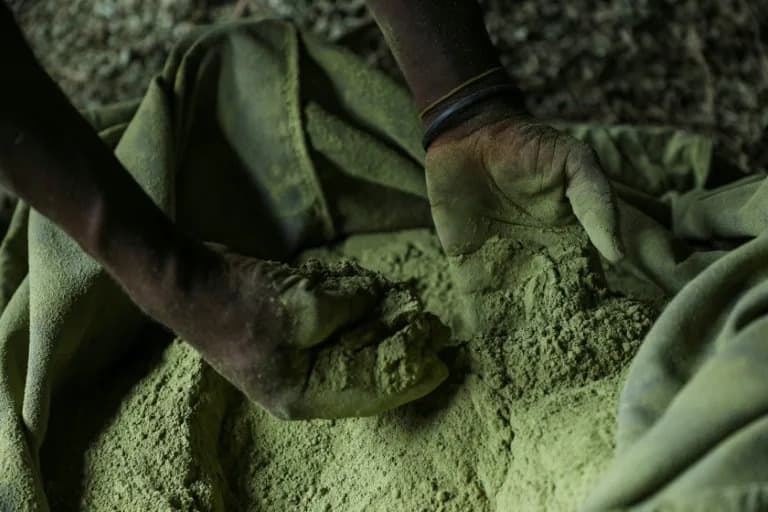
At local processing plants in Al-Damer, workers spread cut henna leaves to dry, feed them into grinding mills and pack the fine green powder into sacks for sale. Factory owner Mohamed Ramadan said exporters have increasingly rerouted shipments through Egypt since fighting disrupted traditional corridors such as those through Chad.
Voices From The Ground
"Water arrives at long intervals and cuts off just when we need it most," said farmer Abdallah Mohammed, who has cultivated henna for decades. "Access to water is the biggest obstacle limiting our production and causing the land to go thirsty."
"Henna is both a hobby and a heritage for us," henna artist Najwa Mubarak told AFP. "I apply henna for brides as it is an integral part of the bride's joy. For me, it is both a passion and a source of livelihood."
Environmental activist El-Rasheed Ali Mahdy emphasized the crop's local importance, while salon owner Omnia El-Sayed expressed confidence that henna's cultural role will help it endure despite mounting pressures.
Outlook
River Nile state has been relatively less affected by fighting than other areas, and pockets of vibrant henna fields still persist. However, sustained water shortages, damaged infrastructure and disrupted trade routes pose immediate risks to producers, processors and artisans who depend on the crop. Continued instability and changing climate patterns could further erode production unless irrigation and trade linkages are restored.
Help us improve.