Divers are returning to the submerged ruins of Tyre after a fragile ceasefire following the Israel–Hezbollah war. UNESCO has documented substantial underwater remains and in July 2026 placed Tyre on its List of World Heritage in Danger. Lebanese authorities cite protection challenges and plan surveys, new laws and underwater archaeological parks to boost tourism and preserve heritage. Visitor interest is rising, though numbers remain below prewar levels.
Tyre’s Sunken City: Divers Return to Explore Ancient Ruins After Ceasefire
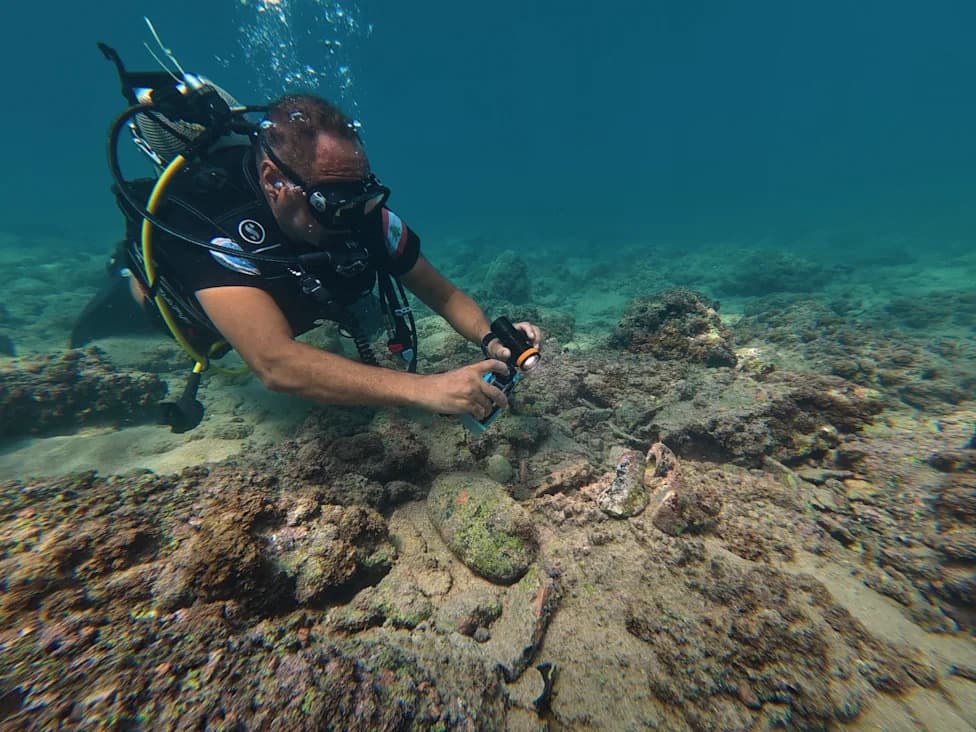
Manager of the Lebanon Diving Center, Youssef Jundi, takes video of pieces of ancient pottery at an archaeological site near the coast in the southern port city of Tyre, Lebanon, Thursday, Sept. 17, 2026. (AP Photo/Bilal Hussein)(AP Photo/Bilal Hussein)
Beneath the Mediterranean off southern Lebanon, the waters around Tyre conceal stone walls, harbor structures and a submerged road — tangible traces of a once-thriving city now offering an underwater window into millennia of history.
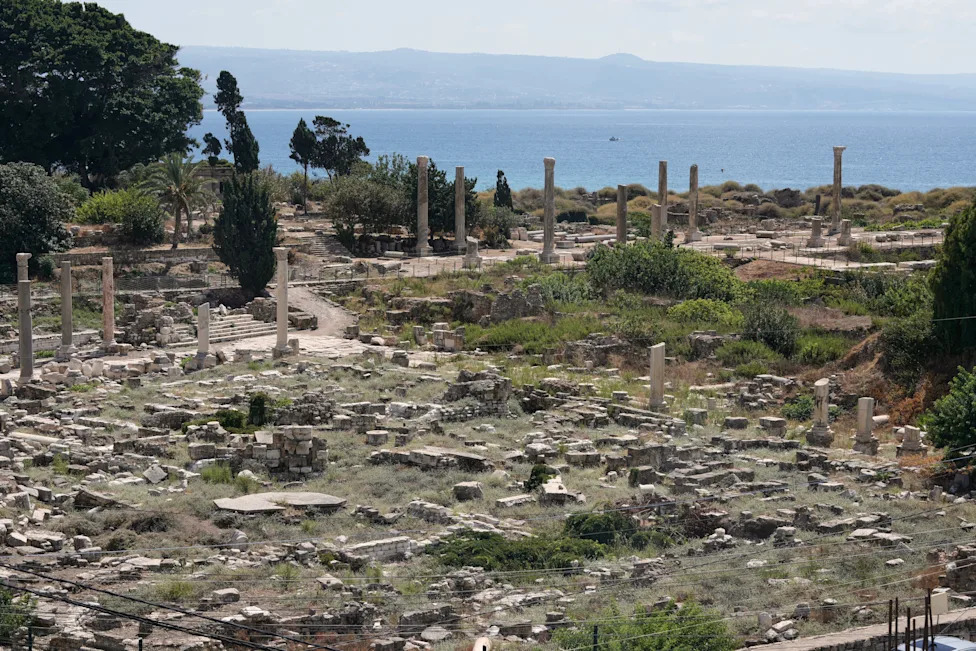
Roman-era columns stand at an archaeological site in the southern port city of Tyre, Lebanon, Thursday, Sept. 17, 2026. (AP Photo/Bilal Hussein)(AP Photo/Bilal Hussein)
Visitors Return After Fragile Ceasefire
With a fragile ceasefire in place after the latest Israel–Hezbollah conflict, divers and tourists have begun returning to Tyre. Local diving operators say interest in the underwater archaeological sites is rising, even though overall visitor numbers remain below prewar levels.
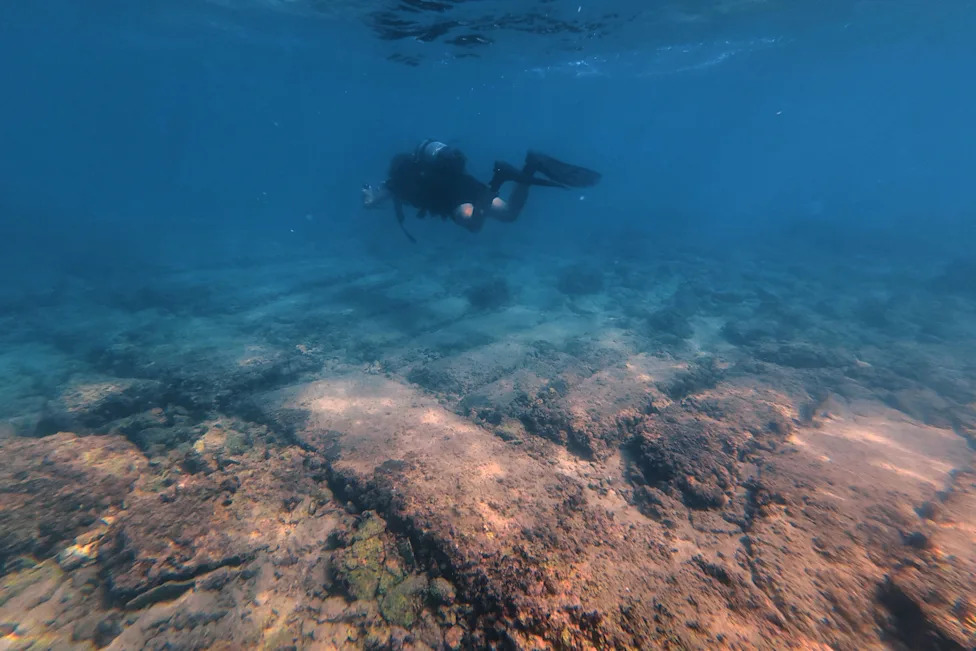
Manager of the Lebanon Diving Center Youssef Jundi passes above an ancient passageway at an archaeological site near the coast in the southern port city of Tyre, Lebanon, Thursday, Sept. 17, 2026. (AP Photo/Bilal Hussein)(AP Photo/Bilal Hussein)
"The diving season is not like it used to be before, but the number of people coming to dive to see the ruins is increasing day by day," said Yousef al-Jundi, manager of the Lebanon Diving Center.
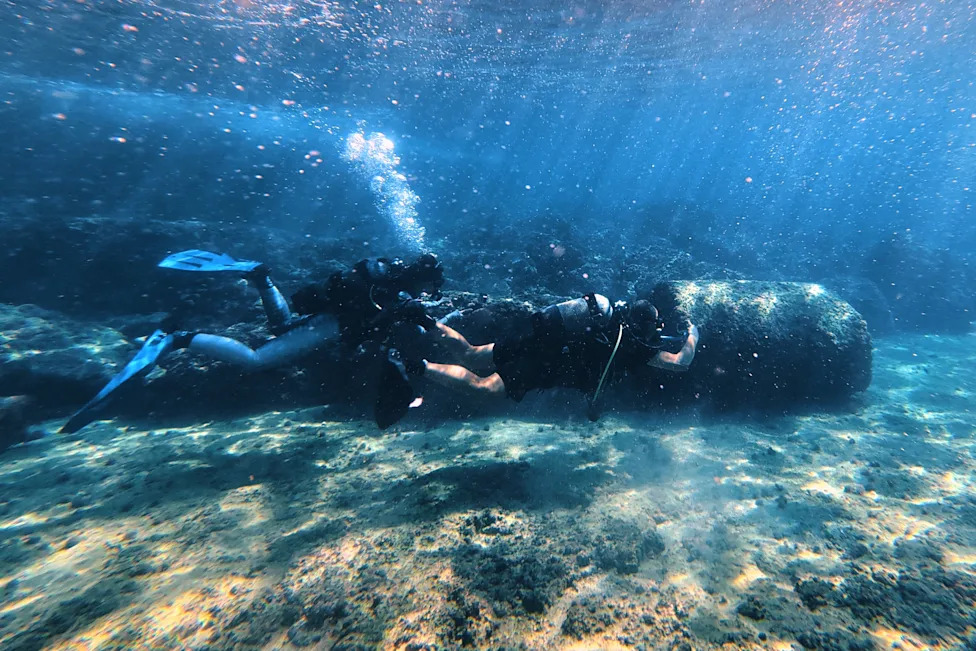
Manager of the Lebanon Diving Center Youssef Jundi, right, takes video of Roman-era columns at an archaeological site near the coast in the southern port city of Tyre, Lebanon, Thursday, Sept. 17, 2026. (AP Photo/Bilal Hussein)(AP Photo/Bilal Hussein)
Archaeology Below the Waves
UNESCO and underwater archaeologists have documented substantial remains off Tyre’s former island and coastline, including walls, harbor structures and other vestiges of an ancient urban landscape. These submerged features are part of a larger archaeological ensemble that helped secure Tyre’s inscription on UNESCO’s World Heritage List in 1984.
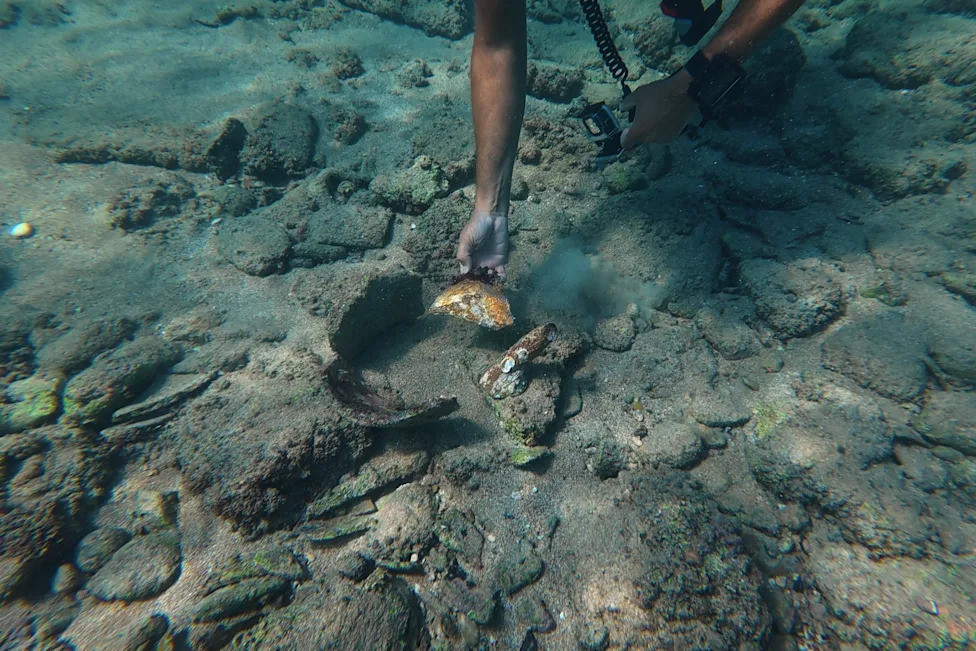
Manager of the Lebanon Diving Center Youssef Jundi holds a piece of ancient pottery at an archaeological site near the coast in the southern port city of Tyre, Lebanon, Thursday, Sept. 17, 2026. (AP Photo/Bilal Hussein)(AP Photo/Bilal Hussein)
"This is the identity of this city, which tells us how old this city is and what its history is,"
Tyre was a major Phoenician maritime center, famed for its purple dye and expansive trade networks across the Mediterranean. It later flourished under Greek and Roman rule, leaving a dense and varied archaeological record both on land and beneath the sea.
Damage, Protection Challenges and Future Plans
Before the ceasefire in late June, Tyre endured intense airstrikes and damage in several coastal neighborhoods. In July 2026, UNESCO placed Tyre on its List of World Heritage in Danger, citing threats and damage from the hostilities.
Ali Badawi of Lebanon’s Directorate General of Antiquities warned that the underwater sites remain poorly protected and are sometimes subject to encroachments. He said authorities are conducting surveys, strengthening research and drafting laws aimed at improving protection.
Badawi and others are also promoting investment in underwater tourism, including proposals for underwater archaeological parks that would enable safer public access while conserving the sites for future research and education.
Those initiatives form part of a broader effort to rebuild Tyre’s tourism sector after the war while safeguarding archaeological remains that reflect thousands of years of the city’s history.
Help us improve.