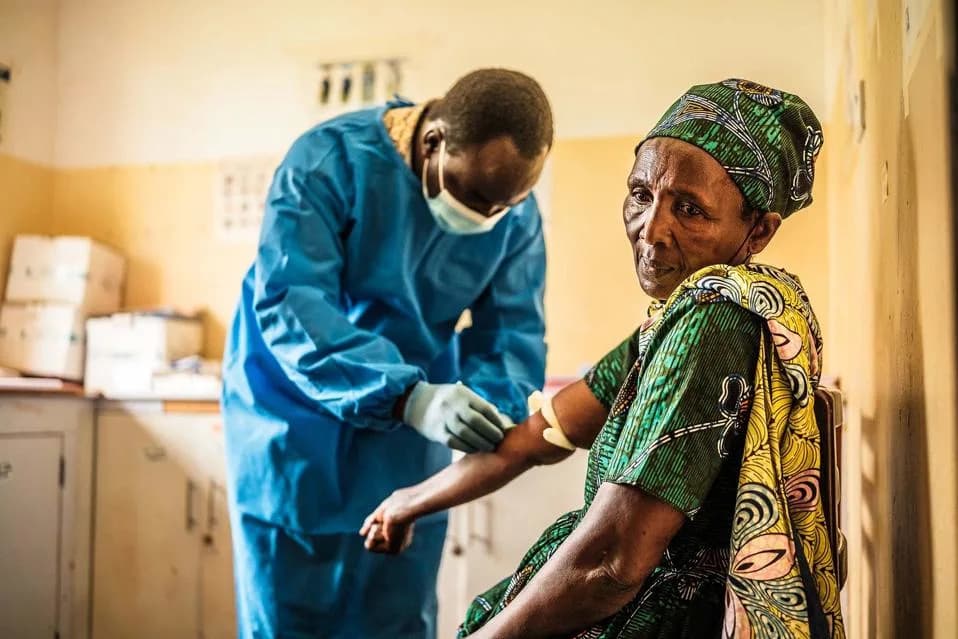
Ill Erotics reframes the 45-year HIV/AIDS pandemic by centering the leadership of Black women who built community-based systems of care when institutions failed. Despite biomedical advances (ART, PrEP, rapid testing), gains have been uneven and health systems face funding and policy retrenchment. Drawing on ethnographic research and case studies—EVE for Life, SisterLove, and advocates like Katrina Haslip—Dr. Jallicia Jolly argues that sustainable public health depends on long-term investments in community infrastructure and on recognizing the leaders who sustained care for decades.
Forty-Five Years On, New Book Argues Black Women’s Leadership Has Been Overlooked in the HIV/AIDS Story

Dr. Jallicia Jolly is an Assistant Professor of Black Studies and American Studies at Amherst College and author of the forthcoming Ill Erotics: Black Jamaican Women and Self-Making in Times of HIV/AIDS. The book reframes the HIV/AIDS pandemic through the lives of Black women whose leadership, organizing, and community care transformed public health from the ground up.Portrait by Alex Terrill. Book cover design by Katy Beltran. Courtesy of University of California Press.
Dr. Jallicia Jolly, Assistant Professor of Black Studies and American Studies at Amherst College, reframes the 45-year history of HIV/AIDS in her forthcoming book Ill Erotics: Black Jamaican Women and Self-Making in Times of HIV/AIDS. Drawing on nearly a decade of fieldwork, the book centers Black women whose grassroots leadership, organizing, and community care rebuilt public health infrastructures when institutions fell short.
Scientific Progress — And an Incomplete Victory
Medical advances over the past four decades—combination antiretroviral therapy (ART), PrEP, PEP, rapid testing, and prevention of mother-to-child transmission—have transformed HIV from an almost-certain death sentence into a manageable chronic condition for many with access to treatment. Yet these breakthroughs have not eliminated HIV nor ensured equitable access to care.
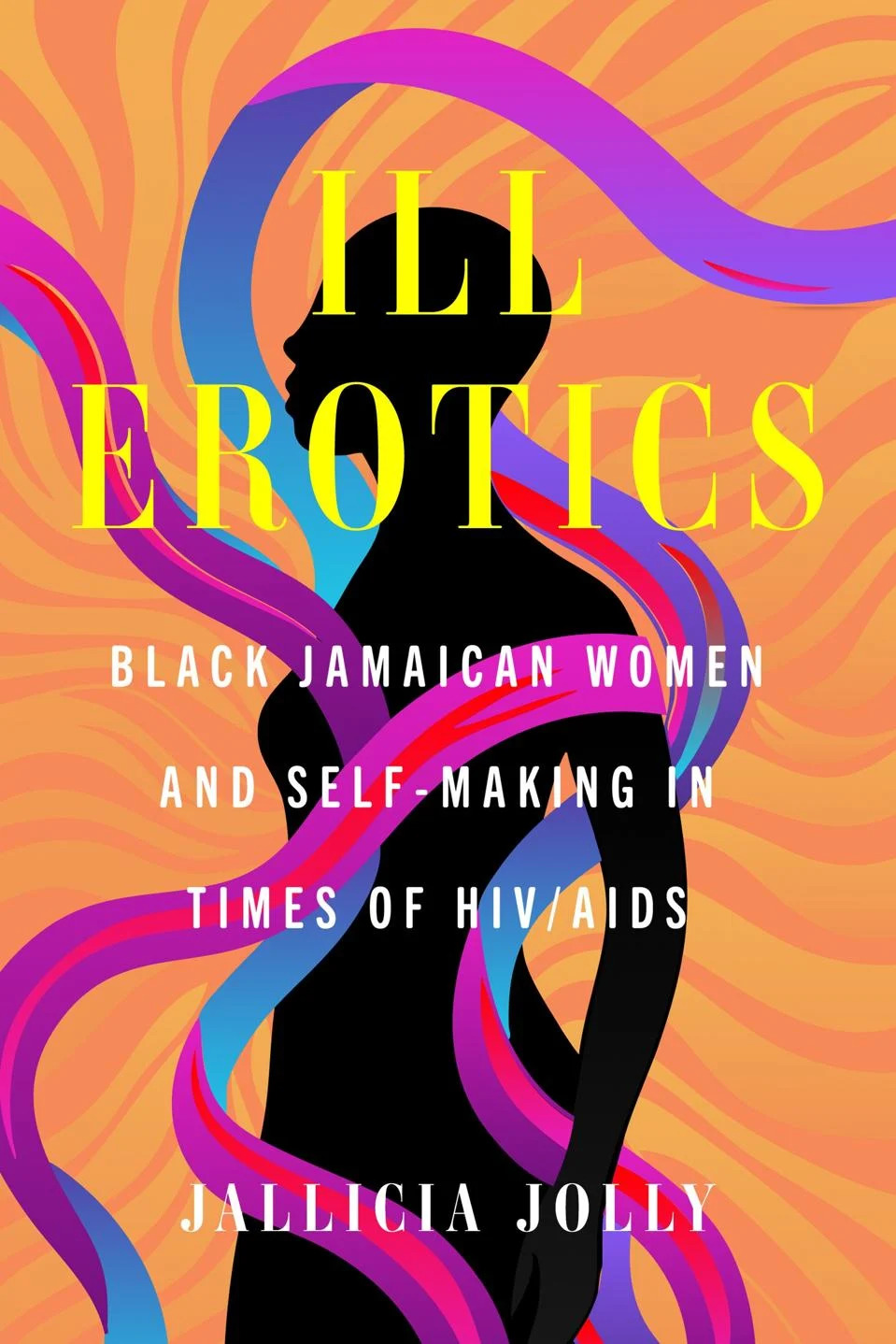
Preorder Ill Erotics: Black Jamaican Women and Self-Making in Times of HIV/AIDS (University of California Press), available November 24, 2026, through major booksellers, including Barnes & Noble, Amazon, Bookshop.org, and the UC Press.
Retreating Public Commitment
At the same time governments and institutions have pulled back. Policy decisions and funding shifts—such as strained HIV budgets, reduced contributions to global funds, and the U.S. withdrawal from some international commitments—have weakened public health systems just as persistent inequalities continue to shape who benefits from biomedical advances.
Uneven Burdens Persist
HIV has always mirrored social inequities rather than biological difference. In 2024, an estimated 1.3 million people acquired HIV and roughly 630,000 died of AIDS-related illnesses worldwide. In the United States that year, health authorities recorded 38,793 new HIV diagnoses and 4,296 HIV-related deaths; more than 1.15 million people were living with diagnosed HIV. The benefits of scientific progress are uneven: Black women accounted for 52% of new HIV diagnoses among U.S. women in 2024, despite representing roughly 13% of the U.S. female population. Black transgender women bear an even higher burden, with studies estimating about 62% living with HIV.
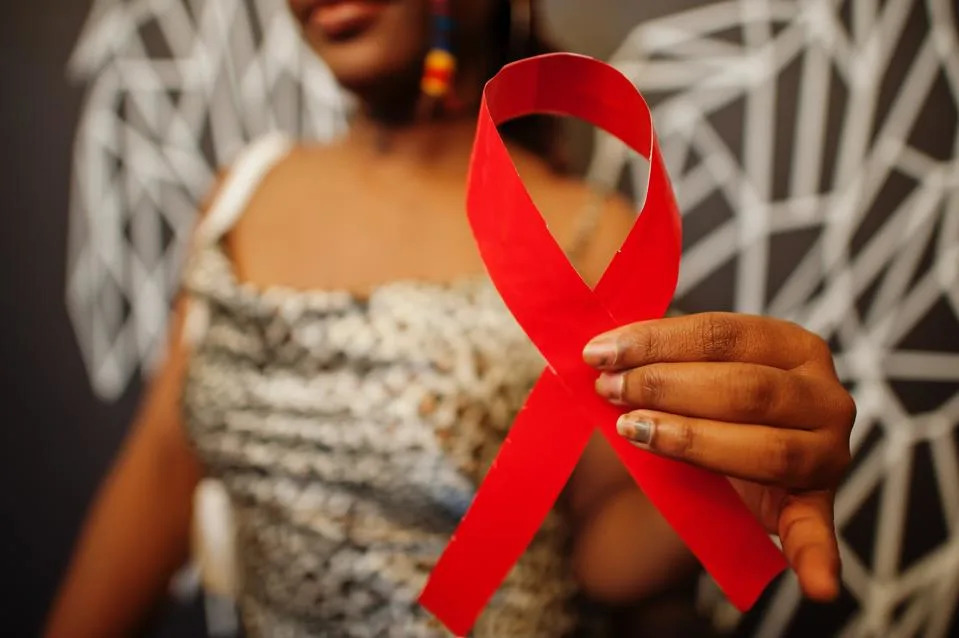
Ill Erotics reveals how Black women living with HIV became architects of community-rooted public health. The lessons also extend beyond HIV/AIDS, showing how community leadership and sustained public investment remain essential to building healthier, more equitable societies.
Centering Black Women’s Leadership
Beyond statistics, Dr. Jolly documents how Black women did not only survive—they led. Across the United States, Jamaica, and the Americas, Black women organized support networks, navigated fragmented healthcare systems, challenged stigma, advocated for representation in research, and built community-based infrastructures that cared for the sick and sustained families long before formal institutions recognized their expertise.
Community Organizations and Innovations
Groups like EVE for Life in Kingston, Jamaica, and SisterLove in Atlanta, Georgia, have provided psychosocial support, outreach, sexual and reproductive health services, and leadership opportunities for women living with or affected by HIV. SisterLove’s Healthy Love Bus is a peer-led mobile clinic that brings HIV and STI screening, education, harm-reduction supplies, and referral services directly into neighborhoods—reducing barriers to access and building trust.
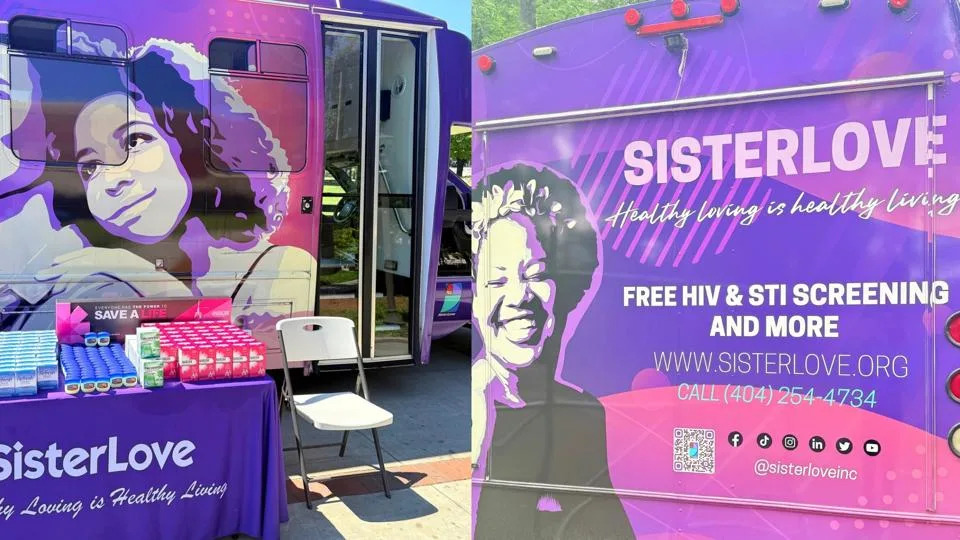
SisterLove's Healthy Love Bus is a community-based, peer-led, and culturally grounded mobile health clinic that expands health care accessibility by bringing free HIV and STI screening, education, harm reduction supplies, and connections to care directly to neighborhoods across metro Atlanta.
Policy Change Driven by Community Advocates
Individual advocates have also shaped policy. Katrina Haslip, a formerly incarcerated Black Muslim woman living with HIV, developed peer education programs for incarcerated women and helped expose how surveillance and care systems excluded women’s experiences. Her advocacy and that of other activists contributed to the Centers for Disease Control and Prevention’s 1992 expansion of the AIDS surveillance definition to include conditions more common among women—changes that opened pathways to disability benefits, healthcare, and other protections.
Ethnographic Findings: Jamaica
Dr. Jolly’s ethnographic work in Jamaica reveals similar frontline leadership: Black Jamaican women living with HIV acted as health educators, navigators, mentors, and organizers. They coordinated transportation to appointments, shared treatment knowledge to demystify HIV, provided childcare, addressed food insecurity, made referrals to services, and created safe spaces for processing trauma and stigma. These practices illustrate how community-rooted care operates as an intentional infrastructure—one that requires sustained support.
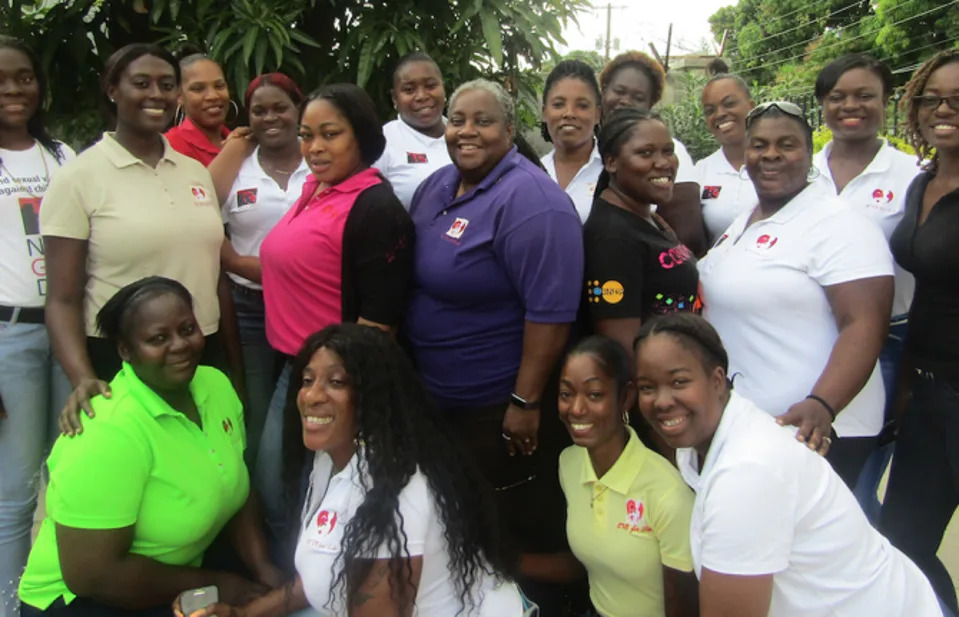
Staff and peer educators with EVE for Life Jamaica, a community-based organization that supports women and girls living with or affected by HIV through peer support, advocacy, and sexual and reproductive health programming.
Lessons for Public Health and Policy
Communities Are Experts: Local knowledge and peer leadership are essential assets in responding to complex health challenges.
Policy Must Center Lived Experience: Programs should be designed with people most affected to be effective and equitable.
Care Is Infrastructure: Sustained investment in community-based care—beyond emergency funding—is required to secure long-term health outcomes.
Dr. Jolly emphasizes that public health should be measured not only by policies enacted but by whether ordinary people have equal opportunities to live healthy, dignified lives. When medicine, policy, and governments fail to deliver, community leadership often fills the gap; those efforts must be recognized, supported, and funded rather than treated as temporary fixes.
Conclusion and Publication Details
Ill Erotics: Black Jamaican Women and Self-Making in Times of HIV/AIDS (University of California Press) will be published on November 24, 2026 and is available for preorder through major booksellers including Barnes & Noble, Amazon, Bookshop.org, and UC Press. This article was originally published on Forbes.com.
Help us improve.