Decades of research and patient participation have transformed breast cancer care — from routine radical mastectomy to targeted screening, genetic testing and prevention strategies. Yet medical innovation has not eliminated access barriers: geography, income, insurance, disability and language still limit who benefits. The article calls for systemic solutions — diverse clinical research, community partnerships, practical screening programs and workplace supports — so advances reach everyone.
Building Systemic Resilience: Ensuring the Future of Equitable Breast Cancer Care

HOUSTON - OCTOBER 04: A pink ribbon is brought out onto the field before a game between the Oakland Raiders and the Houston Texans at Reliant Stadium on October 4, 2009 in Houston, Texas. Many players and officials in the NFL wore pink as part of breast cancer awareness month. (Photo by Ronald Martinez/Getty Images)Getty Images
As Breast Cancer Awareness Month begins, the pink ribbon remains a potent symbol of solidarity, hope and renewed attention to a disease that affects millions. Today’s care reflects decades of scientific progress and patient-driven advocacy — but those gains are not yet shared equally. To secure better outcomes for everyone, we must build resilience not only in patients, but into the systems that serve them.
Rapid Progress — And the People Who Made It Possible
Many advances in breast cancer care are more recent than we often realize. For much of the 20th century, the radical mastectomy was the standard surgical approach. It was only in 1985, when results from a National Cancer Institute (NCI)–supported clinical trial were published, that clinicians learned lumpectomy plus radiation could provide survival comparable to mastectomy for women with early-stage disease.
Scientific momentum continued: researchers identified and cloned the BRCA1 and BRCA2 genes in the mid-1990s, clarifying inherited risk, and a landmark prevention trial in 1998 showed tamoxifen could reduce breast cancer incidence among women at elevated risk. Many components of what we now call modern breast cancer care emerged within the lifetimes of women who are still alive today.
The Critical Role of Patients and Communities
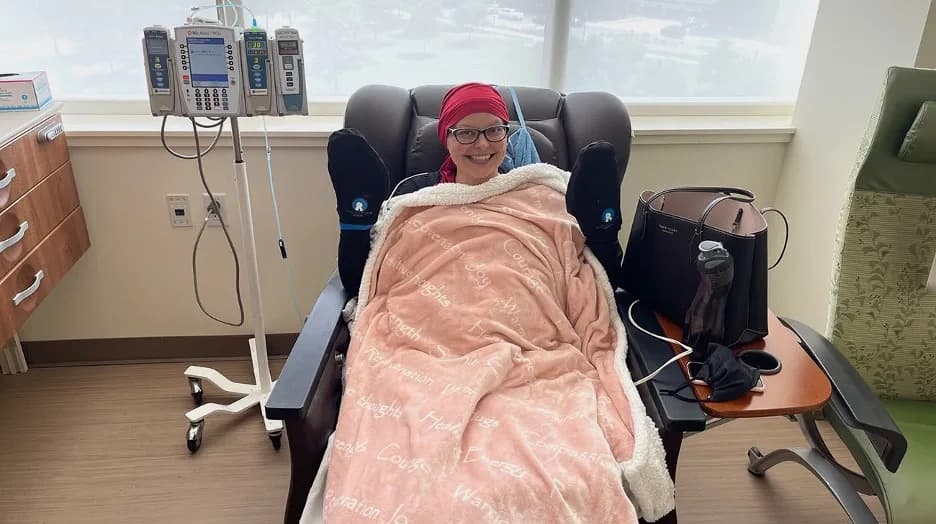
Progress depended not only on laboratories and hospitals but on the active participation of patients. Women who volunteered for clinical trials answered questions that had not previously been resolved. Those who accepted new or uncertain treatments contributed data that shaped care for future patients. Survivors and families advocated for better care and helped make quality of life a central clinical consideration.
Gaps Remain: Innovation Without Equity Is Incomplete
But innovation alone does not guarantee equitable benefit. A breakthrough in screening is meaningless for someone who cannot get an appointment. A promising therapy cannot improve outcomes if a patient cannot afford it, reach it, or take paid time off to receive it. Clinical trials cannot establish broad effectiveness if people most affected by the disease are underrepresented.
Racial, ethnic and socioeconomic disparities in breast cancer are driven by complex, overlapping forces — geography, income, insurance coverage, local health-care infrastructure, historical distrust, language, transportation and other social determinants. These barriers can affect access at every stage, from screening and diagnosis to treatment and long-term survivorship.
Building Resilience Into Systems
We cannot responsibly respond by asking individuals to be more resilient. Instead, we must embed resilience into the systems around them. Key priorities include:
- Diverse Clinical Research: Recruit and retain research participants who reflect the populations that will use the interventions, so study results are broadly applicable.
- Real-World Screening and Prevention: Design programs that account for caregiving responsibilities, work schedules, transportation and other practical constraints.
- Community Partnerships: Move beyond one-way information delivery — listen, co-design, and fund sustained community-led initiatives.
- Employer And Industry Support: Make preventive care accessible, provide flexible scheduling for treatment, and recognize that survivorship often extends beyond active therapy.
- Stronger Health System Links: Connect scientific discovery to community needs through outreach, infrastructure investment and research priorities aligned with underserved groups.
Conclusion: Honor The Past By Shaping An Inclusive Future
We can honor the sacrifices and advocacy that produced today’s gains by asking the next generation of questions — and making sure the answers benefit everyone. Future breakthroughs will come from labs and trials, but equally crucial advances will come from empowering communities to shape research and care delivery. Building durable, system-level resilience is the path to ensuring the benefits of progress reach all people affected by breast cancer.
Originally published on Forbes.com.
Help us improve.