Although U.S. political leaders skew older, federal policy changes are eroding protections for many lower- and middle-income older Americans. Key threats include a projected ~22% cut to Social Security benefits beginning in 2032 unless Congress intervenes, tax changes that weaken payroll-tax revenue, and a reduced immigrant workforce that contributes to Social Security. Rescinded nursing-home staffing rules, Medicaid and SNAP cuts, and declining per-capita Older Americans Act funding further jeopardize care, nutrition and housing stability for older adults.
Why Many Older Americans Are Losing Ground Even With an 80-Year-Old President
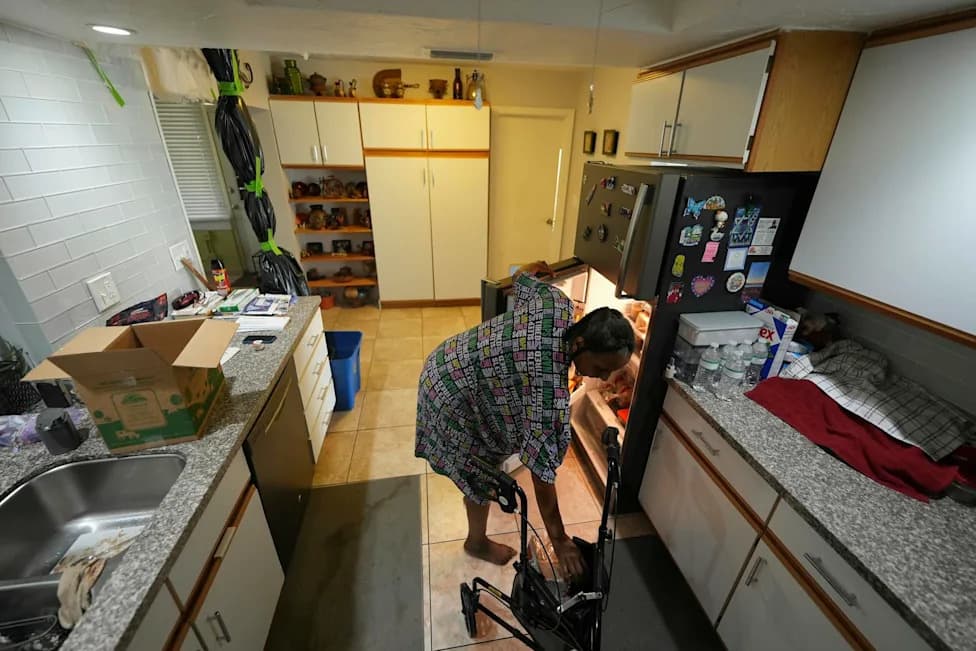
Junette Thomas, a retired nurse, puts away food delivered by Meals on Wheels South Florida.AP Photo/Rebecca Blackwell
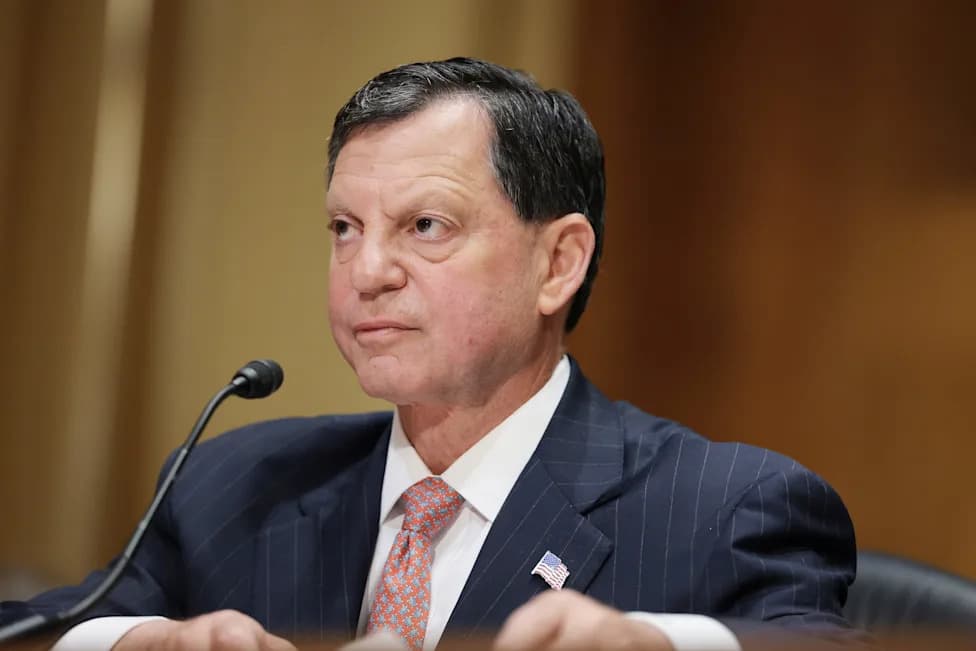
Political leadership in the United States skews older: President Donald Trump turned 80 on June 14, 2026; the median age of U.S. senators is nearly 65, and the median age of House members is about 58. But the prominence of older leaders does not guarantee security for most aging Americans. For millions of older adults with modest incomes, recent federal policy changes are making retirement and long-term care far more precarious.
Social Security: A Looming Cut
Unless Congress acts, Social Security is projected to reduce benefit checks by roughly 22% beginning in 2032. That would affect more than 60 million retired workers as well as survivors and dependents who rely on the program. Rather than strengthening the system, the large tax-and-spending package signed in the summer of 2025 included provisions that reduce payroll tax revenue and therefore weaken Social Security's funding for everyone.

People cheer as President Donald Trump gives a speech about taxes and Social Security in Florida on May 1, 2026.Jim Watson/AFP via Getty Images
Social Security's finances are further strained by a shrinking pool of immigrant workers paying payroll taxes: migration declines in 2025—when more immigrants departed the U.S. than arrived amid stricter enforcement and increased funding for immigration control—reduced the number of contributors, even though many of those workers may never draw benefits.
These cuts would not fall evenly: Social Security keeps millions more women than men out of poverty and lifts greater proportions of Black and Latino older adults above the poverty line than whites. Benefit reductions would therefore worsen racial and gender disparities among older Americans.

Access to a home health aide or paid caregiver can help older people remain in their homes.O2O Creative/E+ via Getty Images
Long-Term Care and Workforce Shortages
Older adults who need long-term care face a double squeeze. In December 2025, the administration rescinded proposed regulations that would have imposed minimum staffing standards for nursing homes that accept Medicare or Medicaid, removing a potential measure designed to protect residents' care quality.
At the same time, immigration enforcement policies have cut the supply of paid caregivers: about one in three home care workers are immigrants, so restrictions and departures of immigrant workers intensify shortages. Those shortages threaten care both in institutional settings and for the many older adults who prefer to receive services at home.

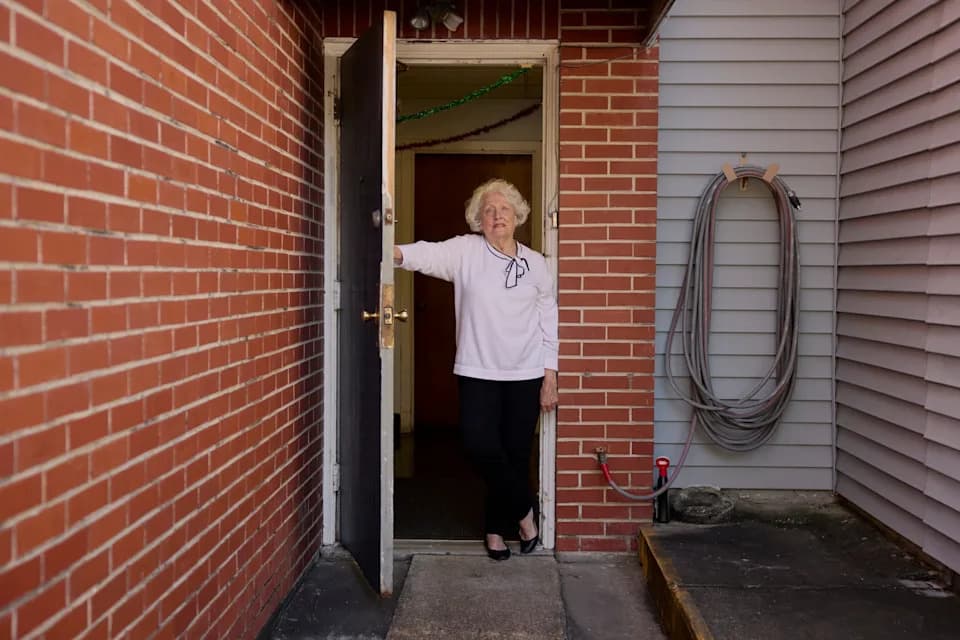
Although many older Americans are affluent, others have very modest incomes.O2O Creative/iStock via Getty Images Plus
Federal Medicaid cuts signed into law in July 2025 further increase risks: while Medicaid requires states to cover nursing-home care for eligible beneficiaries, it does not require states to finance home-based services. When federal support is reduced, states often trim home- and community-based services first, making it harder for older adults to stay in their homes.
Nutrition, Housing and the Thinning Safety Net
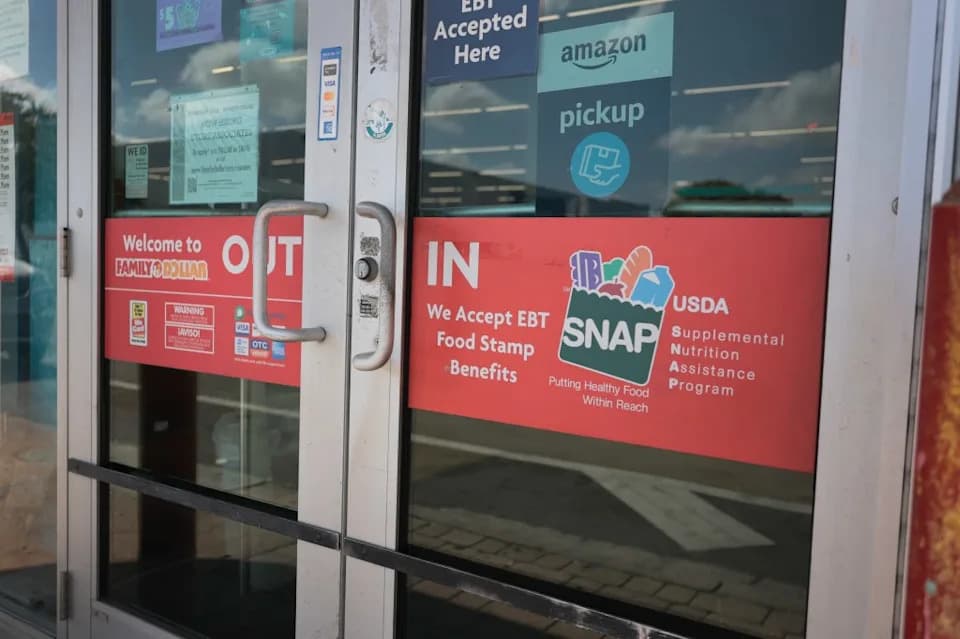
Other vital safety-net programs have also been scaled back. The 2025 legislative package reduced federal funding for SNAP (the Supplemental Nutrition Assistance Program). More than 6 million people age 65 or older currently receive SNAP benefits; with reduced federal support, states must absorb greater costs and enrollment is already falling.
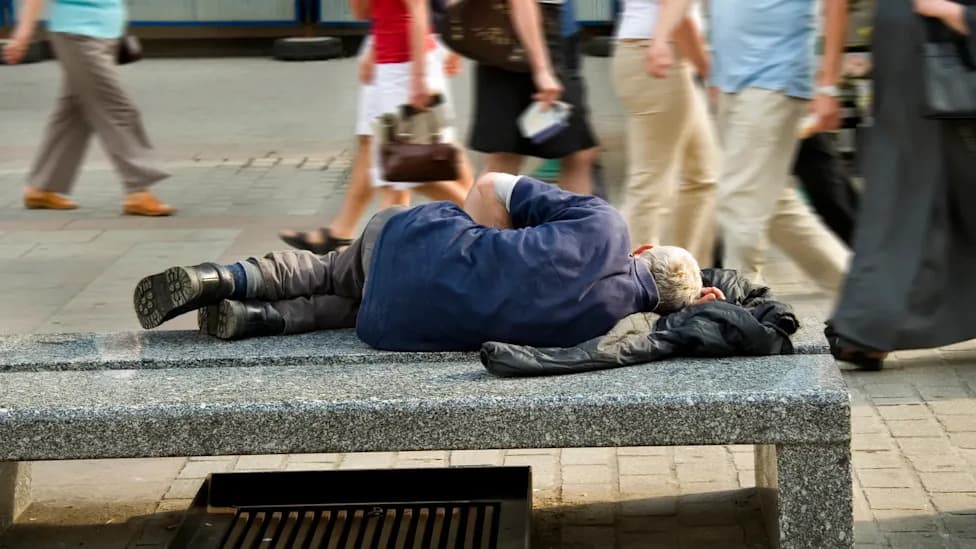
Energy-assistance programs and other supports that many low-income older Americans rely on have likewise been cut. These funding changes coincide with worrying trends in housing stability: while overall homelessness fell for most age groups from 2024 to 2025, homelessness rose among people 65 and older. The Department of Housing and Urban Development estimated nearly 45,000 Americans age 65+ were homeless in 2025, and nearly 104,000 people ages 55–64 were also experiencing homelessness.
Demographics and Underfunded Services
The population aged 65 and older grew about 13% between 2020 and 2024, yet per-capita funding for key programs has not kept pace. For example, funding per older adult under the Older Americans Act has declined, even though it supports services that are critical to independence—Meals on Wheels, transportation assistance, adult day centers and legal aid.
What This Means
In short: a political class that skews older does not ensure protection for older adults who are not wealthy. Recent tax, immigration, Medicaid and regulatory changes have combined to weaken retirement security, reduce care options and thin the social safety net for millions of older Americans.
About the authors: Nina A. Kohn (Syracuse University) and Naomi Cahn (University of Virginia) are elder-law scholars who have tracked policy affecting older adults for decades. This article was originally published by The Conversation.
Help us improve.