This article examines security concerns tied to the "small boats" Channel crossings, arguing that large numbers of irregular arrivals have created vulnerabilities that could be exploited by hostile actors. Intelligence reports suggest suspected Iran-linked operatives have attempted to enter the UK and that Unit 700 of the Quds Force may be using trafficking routes to place proxies. Since 2018 Iranians have formed the largest single national group among small-boat arrivals, and MI5 says it has foiled more than 20 Iran-linked plots in a year. The piece urges a policy rethink to balance humanitarian obligations with national security.
Small Boats Crisis: Alleged Iran-Linked Networks Exploiting Channel Crossings
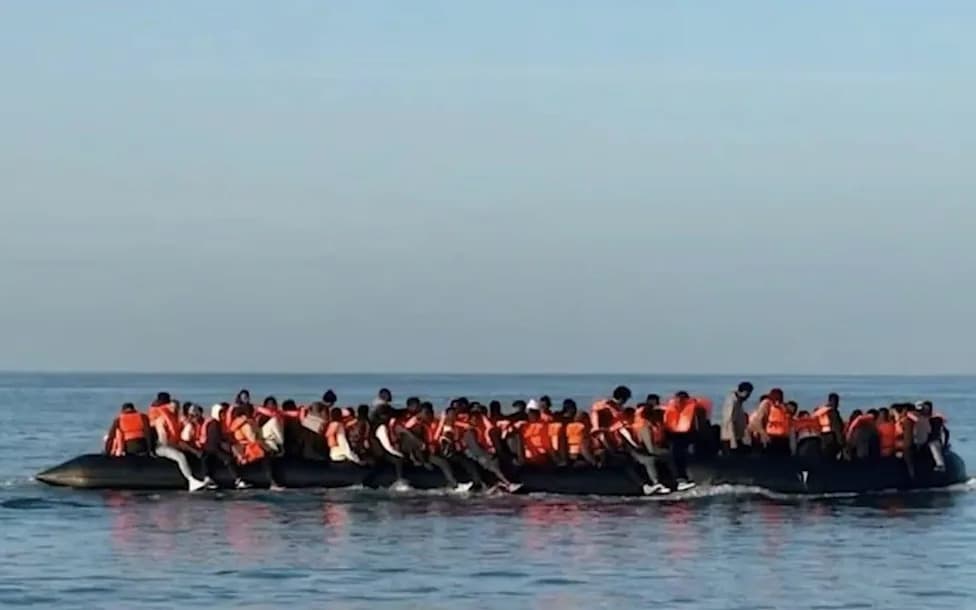
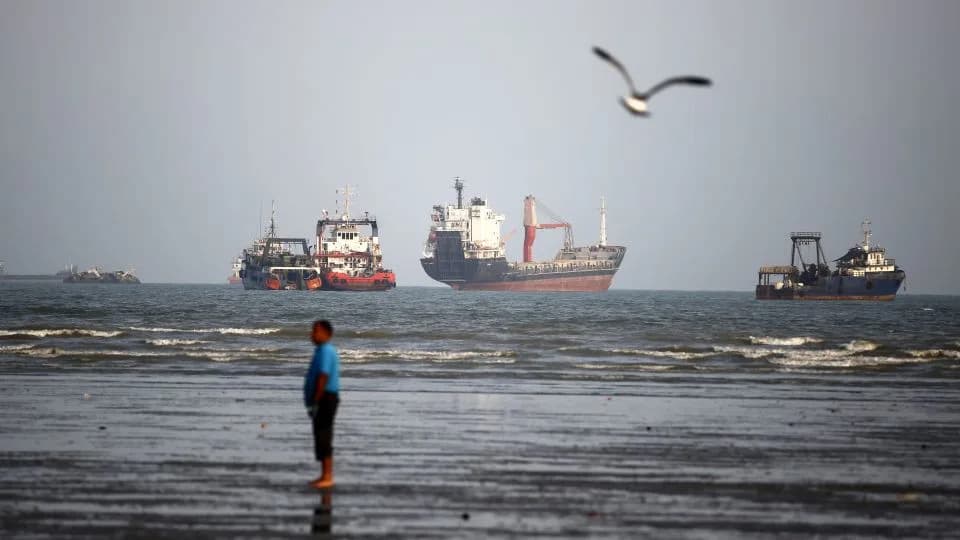
More than 200,000 migrants have crossed the Channel since the crisis began - Television Stills
The migration wave known as the "small boats" crisis began amid the Syrian civil war, when violence drove millions from their homes. From the outset, the situation was often framed predominantly as a humanitarian emergency — even though many of those arriving were non-Syrian and some had crossed from France.
That compassionate framing, the article argues, contributed to policy failures: successive governments did not fully address the security risks posed by large numbers of irregular crossings. With more than 200,000 migrants reported to have crossed the Channel (roughly 75% male), UK officials now warn of escalating consequences.
Intelligence Concerns
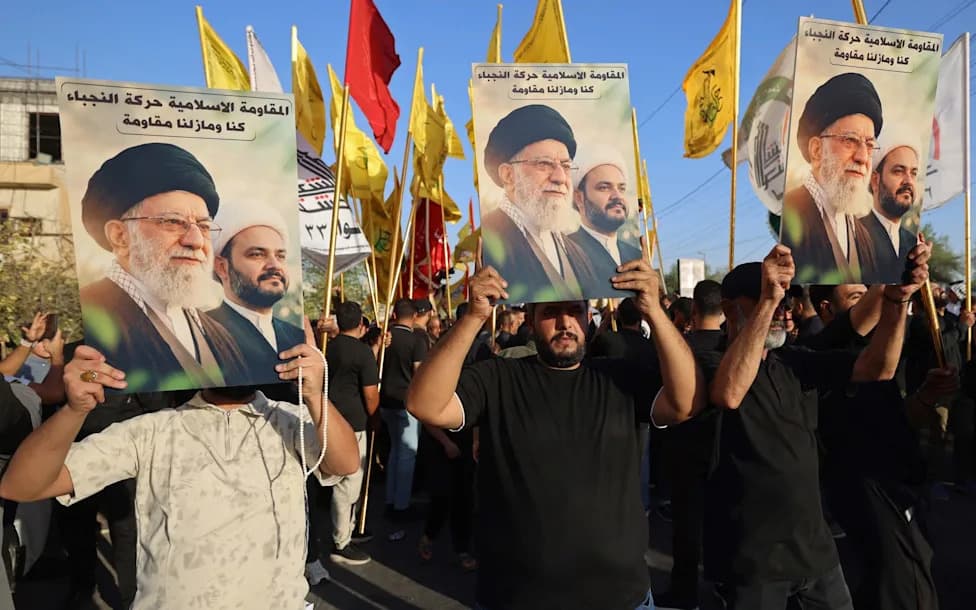
Intelligence services have intercepted what they regard as suspected covert operatives attempting to enter the UK via small boats. UK officials believe elements linked to Tehran are exploiting trafficking routes from the Middle East to Britain and may be placing sleeper cells on British soil.
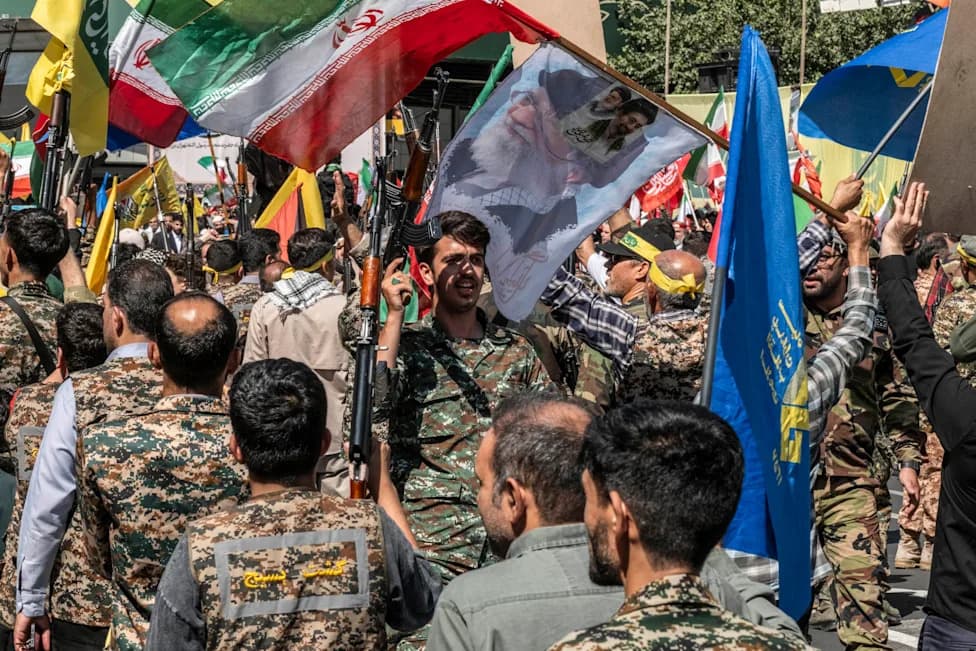
Those networks are said to be associated with Unit 700, the logistics arm of the Quds Force — the Islamic Revolutionary Guard Corps' covert foreign-operations division — which Western security services have linked to support for groups such as Hamas and Hezbollah.
Arrival Statistics
Data reported since 2018 show Iranian nationals made up a large share of small-boat arrivals in 2018–2019. Syrians became more prominent in 2020, but still accounted for a much smaller share in early years: in one year Syrians were around 9% of arrivals while Iranians were about 28%.
Since 2018 the largest reported national groups among irregular Channel arrivals include: 30,269 Iranians, 27,422 Afghans, 19,157 Iraqis, 15,373 Albanians and 14,744 Syrians.
Security Incidents And Warnings
The Government recently attributed a series of arson and vandalism attacks on Jewish sites in Britain — including the reported firebombing of charity ambulances — to proxies with links to Iran. MI5 director Sir Ken McCallum has warned that Iran-backed plots have been foiled in the UK, saying more than 20 potentially lethal Iran-linked plots were disrupted in a single year.
Tehran has also issued threats referencing RAF Fairford — a base used by US forces — and used critical language about the "British monarchy regime". With suspected operatives potentially moving among migrant communities, officials say the risk of attacks requires urgent attention.
Policy Debate
The article concludes that, while UK security services are professional and proactive, they cannot be expected to manage an open-ended inflow of irregular arrivals without policy reform. It calls on Home Secretary Andy Burnham and other policymakers to recalibrate immigration and security measures to reduce the risk of hostile actors exploiting migration routes.
Note: Many of the claims in this piece are reported by UK media and attributed to government and intelligence sources. Terms such as "suspected" or "alleged" are used where appropriate to reflect ongoing investigations and public statements.
Help us improve.